Pollard Willow — History & Facts
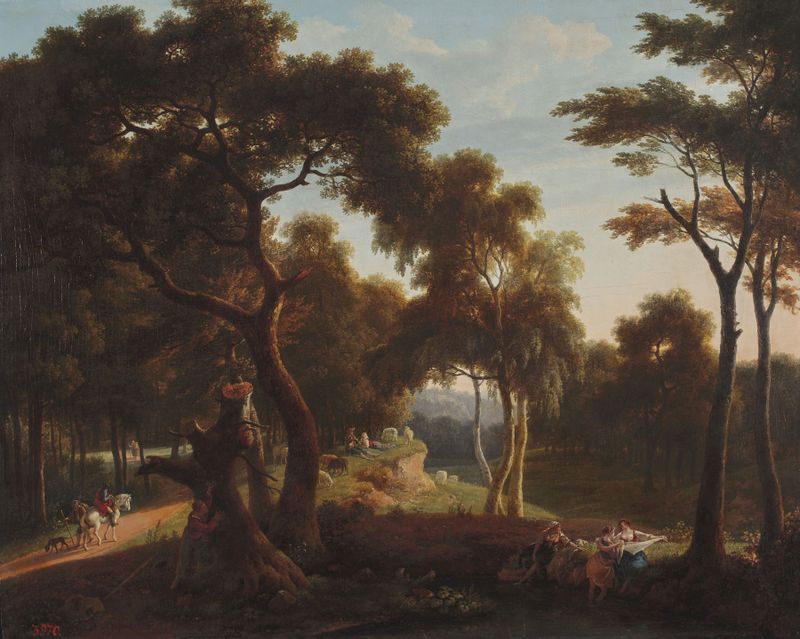
In the delicate embrace of nature, a fleeting moment of transcendence awaits, revealing the complexities of life itself. Look to the center where the pollard willow stands, its gnarled branches twisting upward as if yearning for the sky. The rich, earthy tones of the bark contrast with the lush greens surrounding it, inviting you to explore the intricate textures that Boquet so masterfully renders. Notice how the light filters through the leaves, casting a gentle glow that highlights the tree's resilience amidst its own vulnerability.
Each stroke of the brush encapsulates a sense of quiet dignity that seems to whisper stories of time and transformation. Delve deeper, and you’ll find a tension between permanence and impermanence. The willow's twisted form speaks of endurance, while the soft, fluttering leaves hint at fragility. This duality suggests a profound relationship between nature and human emotion—where moments of beauty often mask underlying struggles.
The composition encourages contemplation, as you recognize the bittersweet reality of existence, where growth is often born from adversity. In the years following 1804, Boquet was influenced by the burgeoning Romantic movement, which sought to capture the sublime beauty of nature and the complexities of human experience. Created in a time of personal and artistic exploration, his Pollard Willow reflects a growing interest in the interplay between light and shadow, as well as a deeper connection to the natural world, which resonated with contemporary artists seeking to escape the confines of neoclassicism.