
Pollard Willows, Rijsord, Holland — History & Facts
In the quiet solitude of nature, betrayal lingers between the branches of memory and the passage of time. Look to the center of the canvas, where the pollard willows rise with a stoic elegance, their gnarled trunks twisted through years of harsh weather. The muted greens and browns of the trees stand in stark contrast to the soft, shimmering blues of the water below, creating a harmonious yet unsettling balance. Notice how the light dances across the surface, hinting at the fleeting nature of peace amid the trees’ resilient forms, a reminder of what has been lost. A deeper look reveals the duality of the scene—a bittersweet interplay of strength and fragility.
The willows symbolize both endurance and vulnerability, their sturdy trunks anchored in the earth while their drooping branches reach like weary hands toward the water. This juxtaposition resonates with feelings of longing and sadness, suggesting hidden stories of betrayal beneath their leafy canopies. Each ripple in the water mirrors the emotional turmoil that simmers just below the surface. Bertha Jaques painted this evocative scene in 1914, during a period marked by both personal struggle and the tumult of global change.
Living in a time when expressionism began to flourish, she sought to capture the essence of landscape not just as a visual experience but as an emotional narrative. In Pollard Willows, Rijsord, Holland, she invites viewers to reflect on the complexities of memory and the subtle betrayals that time can impose.
More Artworks by Bertha Jaques
Browse all →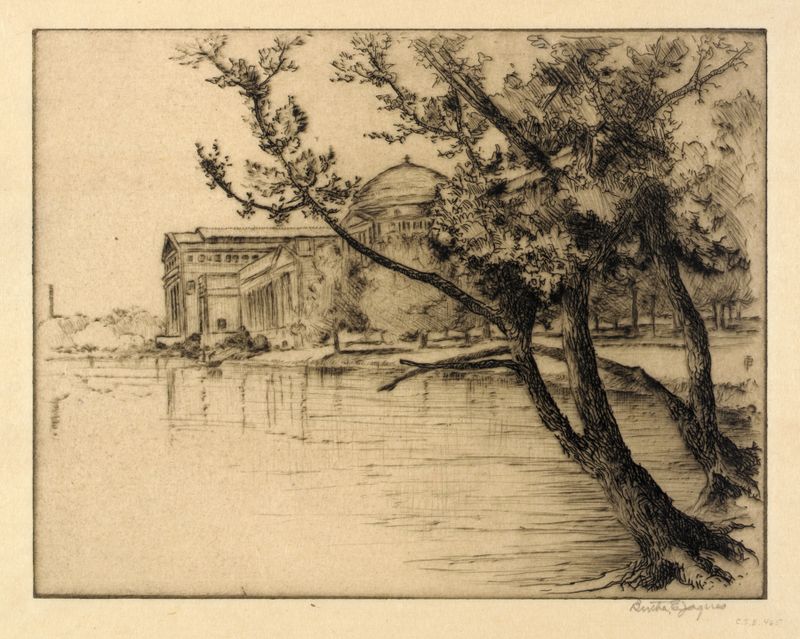
Fine Arts Building, Looking West
Bertha Jaques

Columns, Roman Forum
Bertha Jaques

Tower Bridge, Thames, London
Bertha Jaques

Fine Arts Building, Chicago (Facade, West)
Bertha Jaques
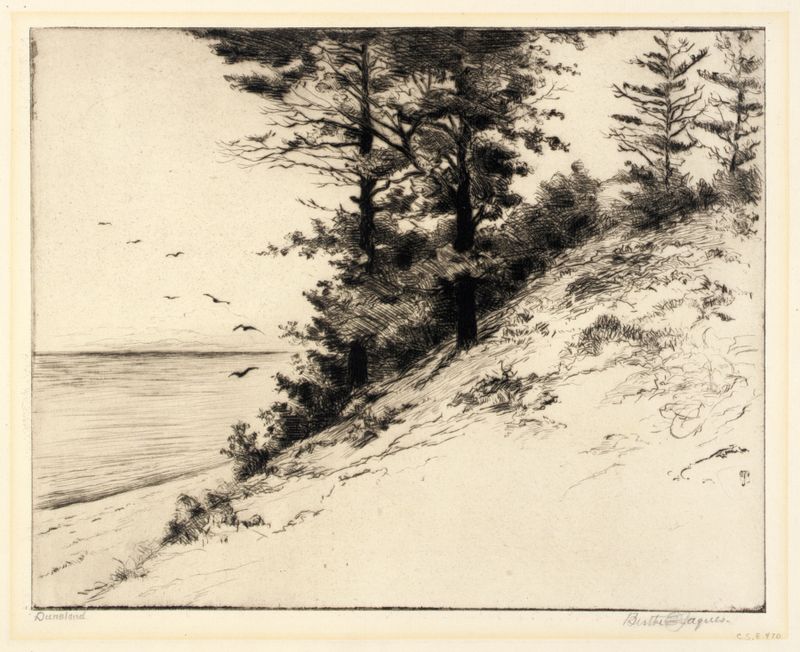
Duneland
Bertha Jaques
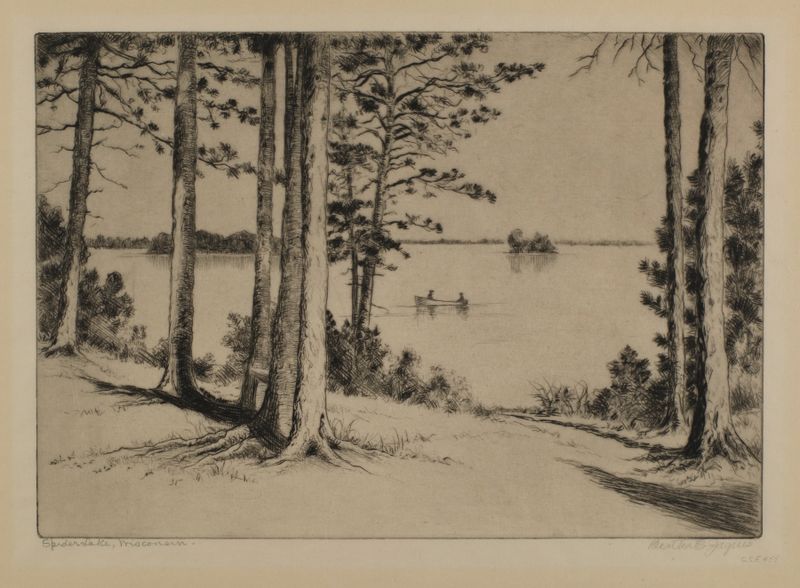
Spider Lake, Wisconsin
Bertha Jaques
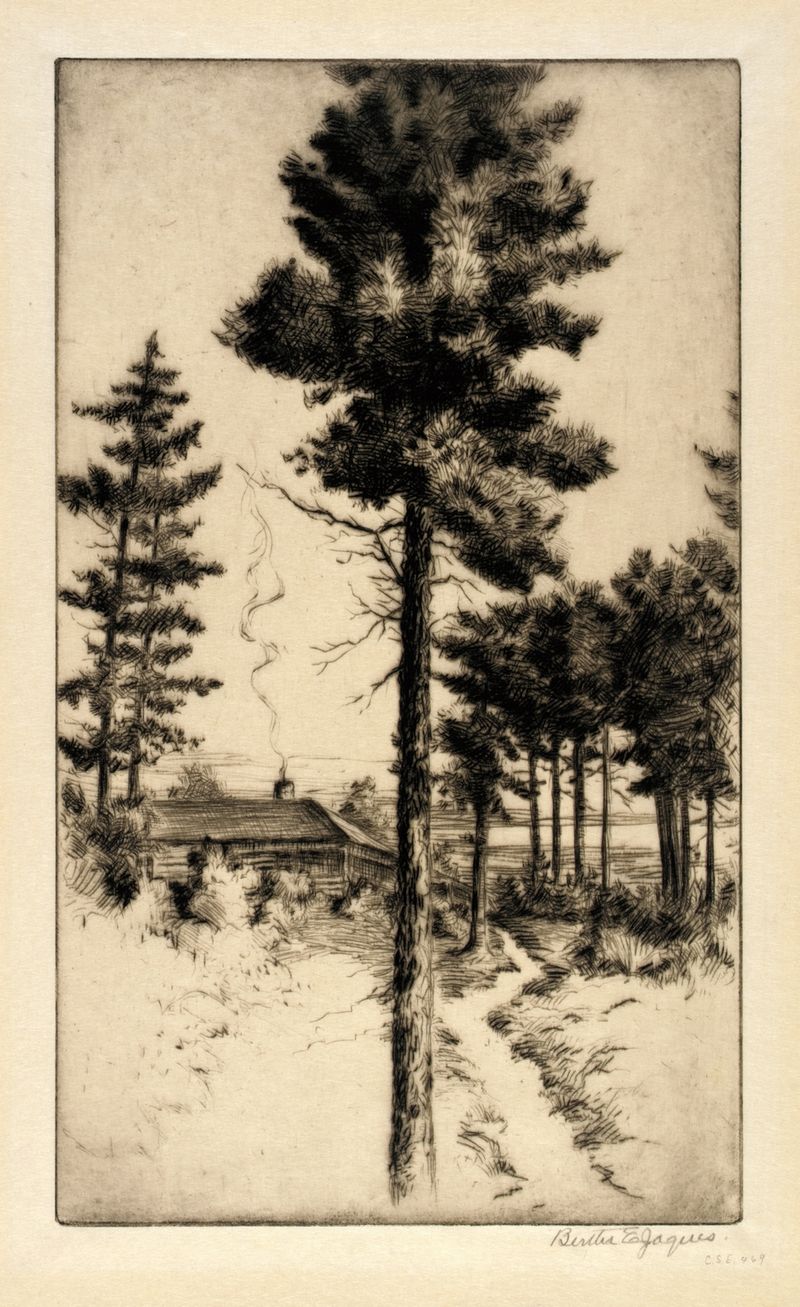
Cabin in Wilderness
Bertha Jaques
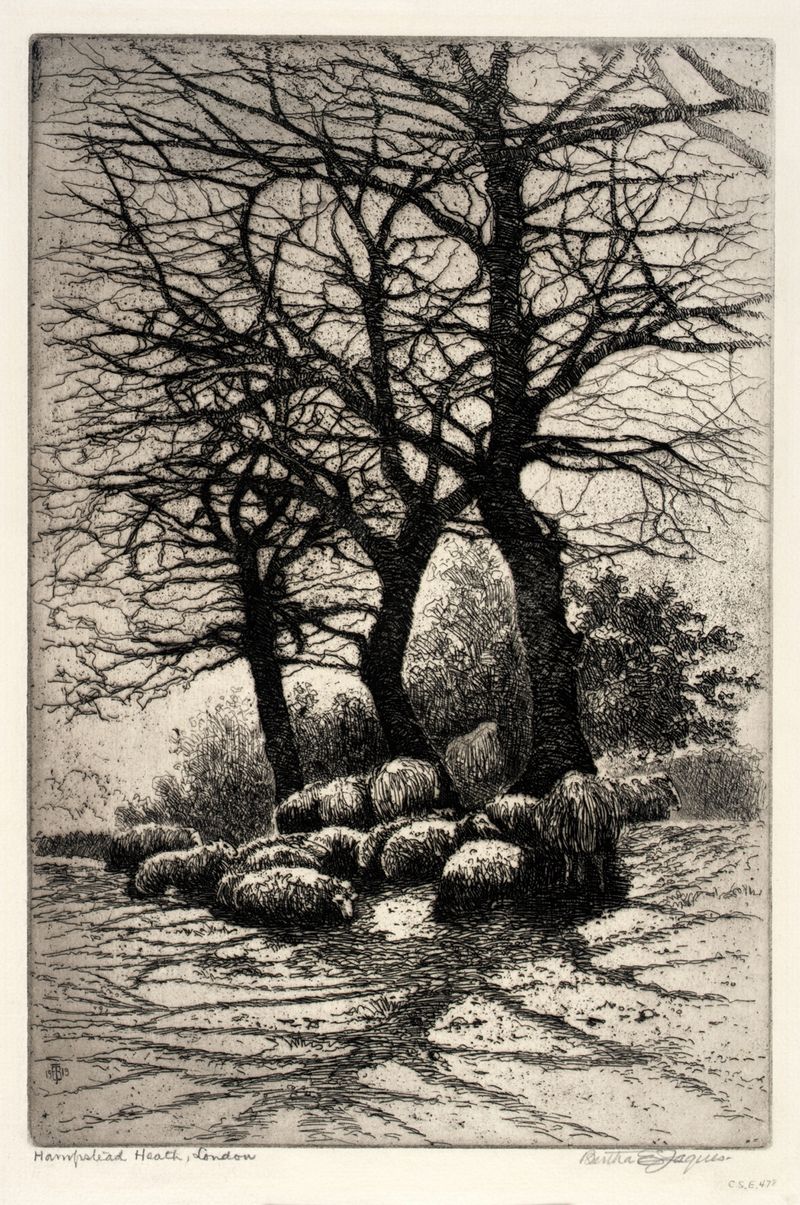
Hampstead Heath, London
Bertha Jaques
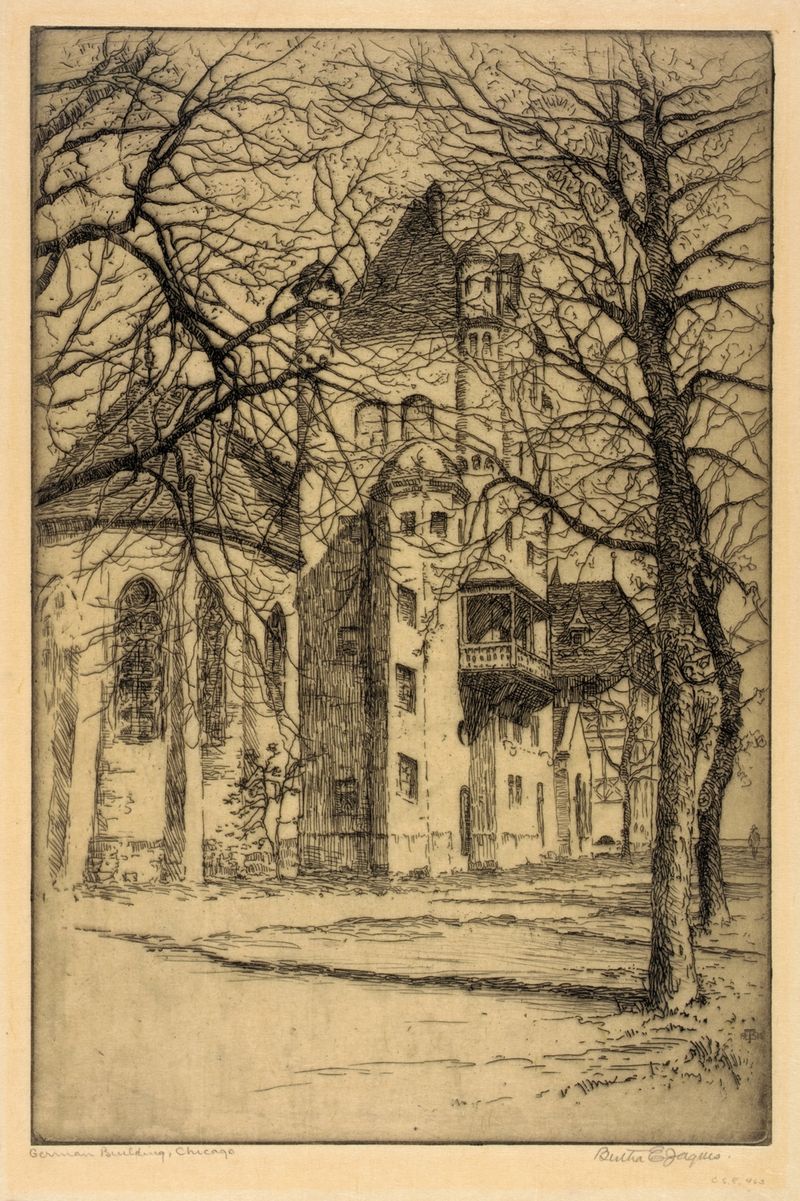
German Building, Chicago
Bertha Jaques

Roman Forum
Bertha Jaques





