
Porchester Castle — History & Facts
Can paint confess what words never could? In Porchester Castle, a haunting stillness encapsulates the passage of time, inviting the viewer to tread softly through history’s corridors. Look to the right at the ancient stone walls, their weathered surfaces bearing the weight of centuries. The muted palette, dominated by earthy browns and greys, establishes a sense of solemnity, while dappled light illuminates the texture, revealing each crack and crevice. The composition draws the eye inward, toward the castle's imposing façade, where shadows deepen the mystery of the structure’s age and purpose.
Monro’s meticulous brushwork captures the play of light and shadow, weaving a narrative of resilience and decay. In this work, contrasts abound: the enduring strength of the castle against the inevitability of erosion, the grandeur of man-made structures mocked by the passage of nature. Each stone seems to whisper stories of glory and loss, evoking a profound emotional tension. The emptiness surrounding the castle emphasizes the solitude of history, inviting reflection on what has been preserved and what has faded into obscurity. Alexander Monro painted Porchester Castle during a time when Romanticism flourished, and artists sought to reconnect with nature and history.
The exact date remains unknown, but it is believed to be created in the 19th century, a period when the allure of ruins symbolized both nostalgia and the fleeting nature of existence. Monro, entrenched in the artistic movements of his time, found inspiration in the interplay between human endeavors and the relentless march of time.
More Artworks by Alexander Monro
Browse all →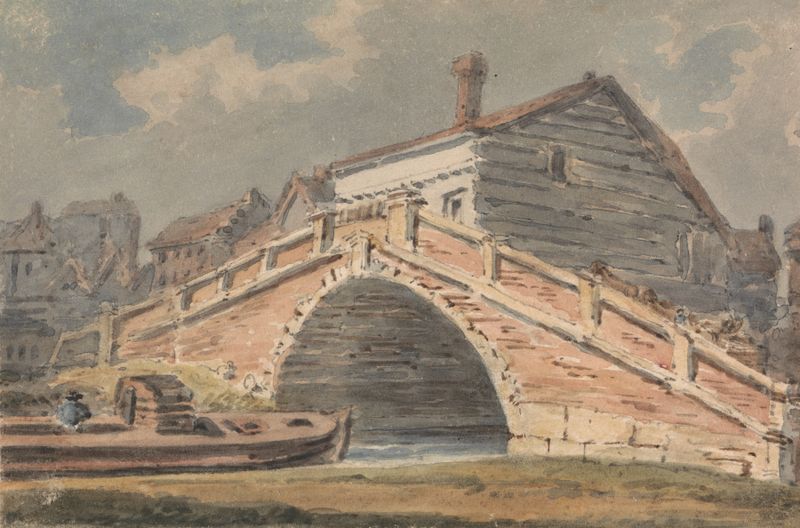
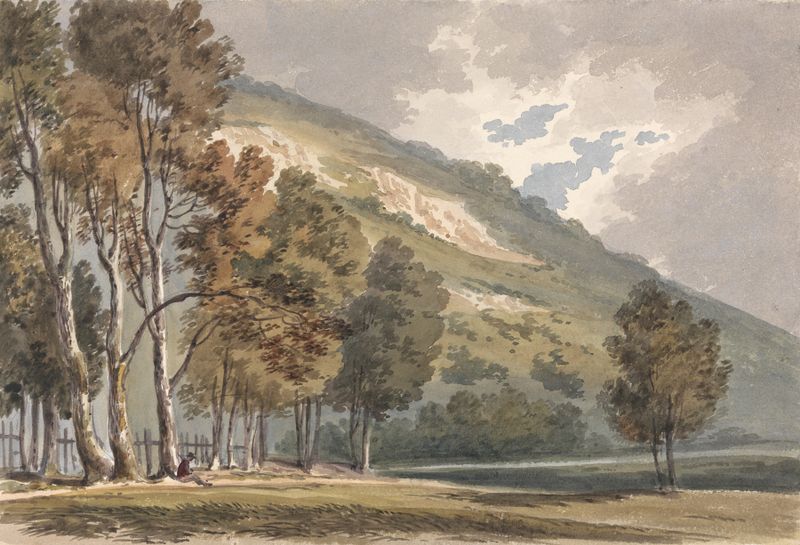
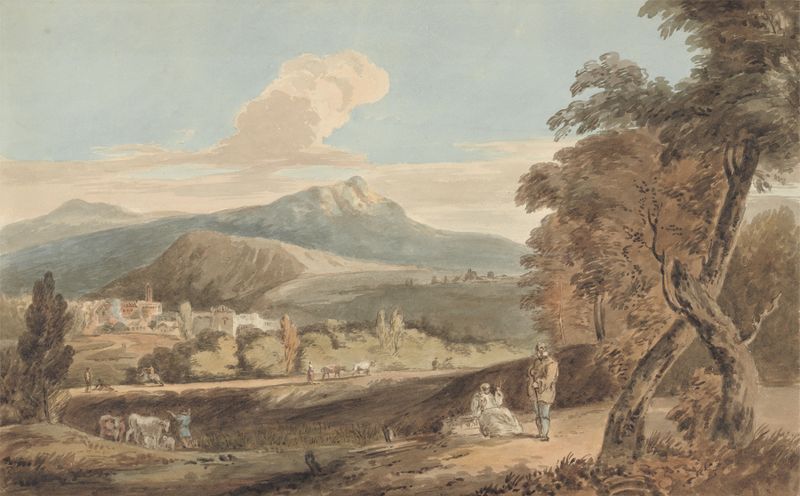
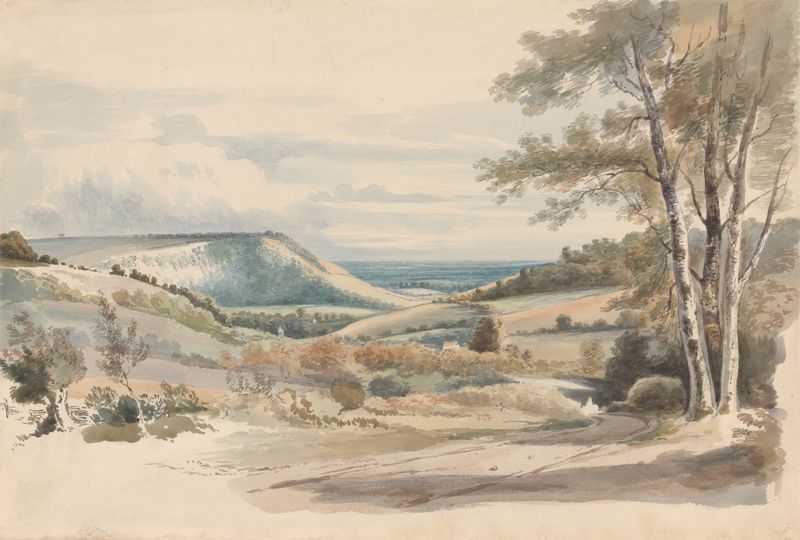
More Architecture Art
Browse all →
The statue of Liberty
Frédéric Auguste Bartholdi

View of Houses in Delft, Known as ‘The Little Street’
Johannes Vermeer

View of Houses in Delft, Known as ‘The Little Street’
Johannes Vermeer

The Cathedral in Rouen. The portal, Grey Weather
Claude Monet

The yellow house
Vincent van Gogh

The Church in Auvers-sur-Oise, View from the Chevet
Vincent van Gogh