Porta Cumae — History & Facts
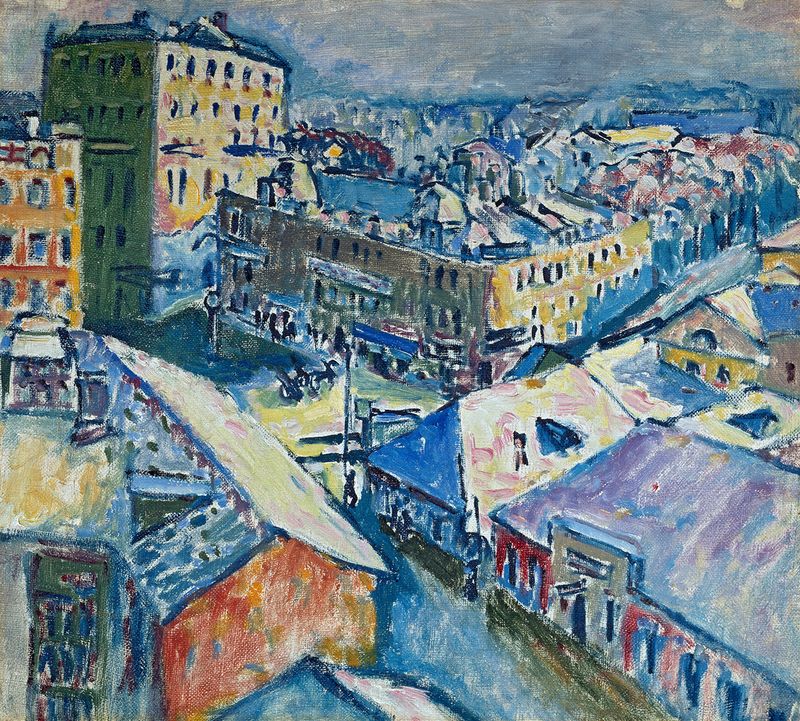
When did color learn to lie? In the depths of Porta Cumae, hues dance upon the canvas, whispering secrets that both entice and deceive. Here, movement is the pulse of reality, bending perceptions and challenging the viewer to look beyond the surface into a world where vibrancy and distortion collide. Focus on the swirling blues and greens that beckon you to the center of the piece, where a chiaroscuro play creates a dynamic tension. Notice how the light seems to pulse with life, illuminating the intricate details of the ancient gate, while shadows lurk in the crevices, suggesting forgotten stories.
The edges of the composition flow with a softness that contrasts starkly with the rigid architecture of the gate itself, introducing a paradox of stability and fluidity. Hidden within this façade lies a dialogue between the past and the present, reflecting both nostalgia and longing. The swirling colors not only depict the natural world but also evoke the movement of time, as if the gate itself is breathing, inviting us to step through into another realm. Each brushstroke carries an emotional weight, hinting at the dreams and memories tied to this historic entryway, bridging the physical and the metaphysical. Created at an unspecified period, the artist found inspiration in the remnants of ancient architecture, reflecting a time when the art world was increasingly exploring themes of movement and perception.
As she navigated her artistic journey, prevailing currents in modern art encouraged her to challenge traditional forms, imbuing her work with a sense of dynamism and emotion that resonates even today.
More Artworks by Leontine von Littrow
Browse all →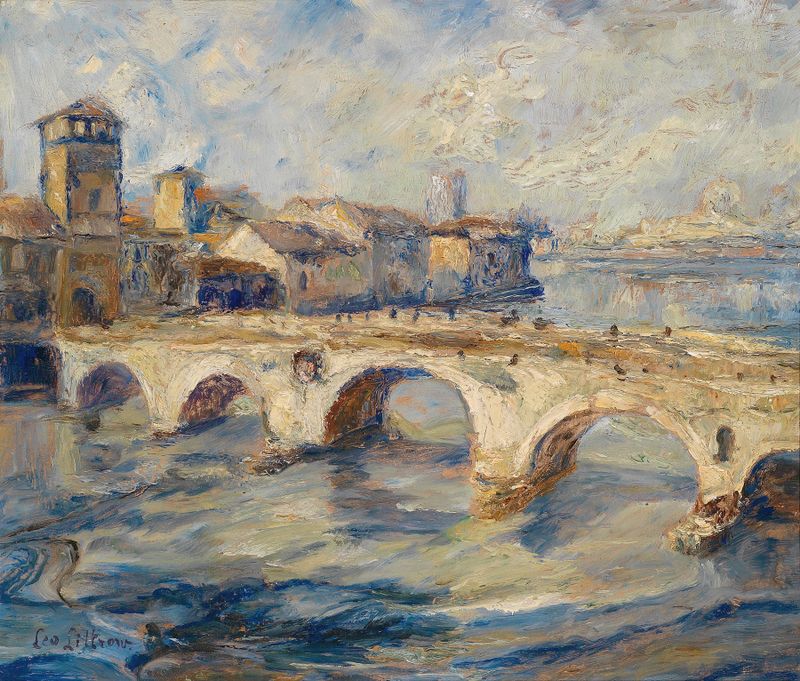
Ponte Pietra Verona
Leontine von Littrow
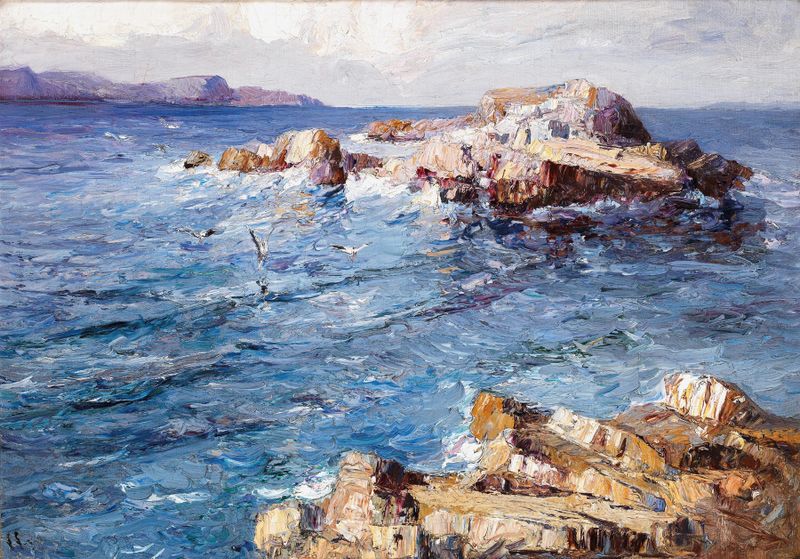
Breaking Waves
Leontine von Littrow
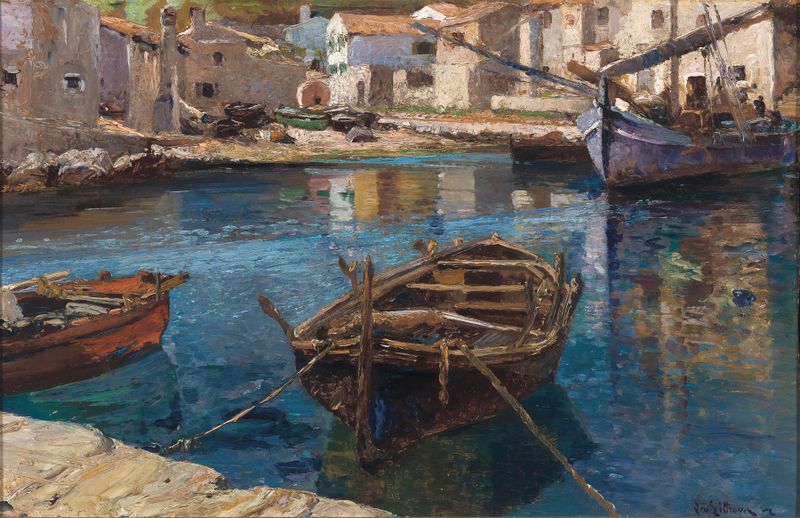
Fishing Boats in the Harbour
Leontine von Littrow
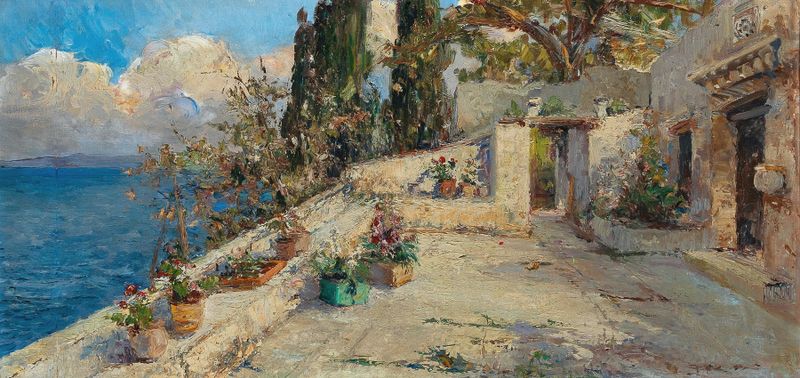
View from a terrace
Leontine von Littrow
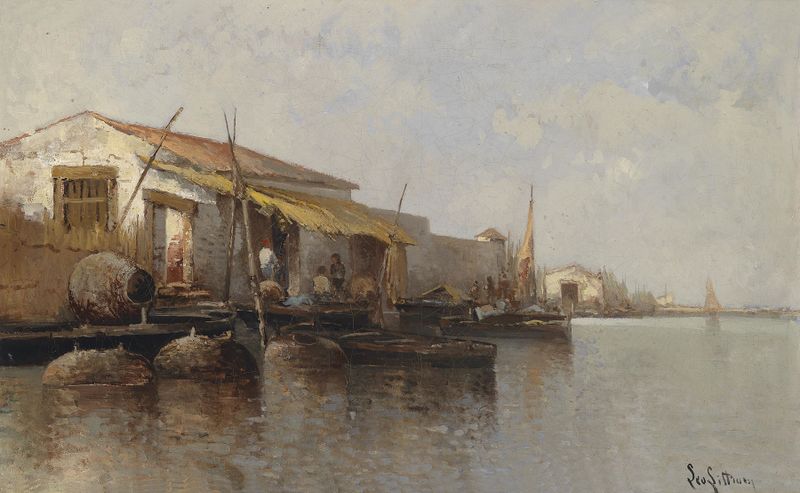
In der Lagune
Leontine von Littrow
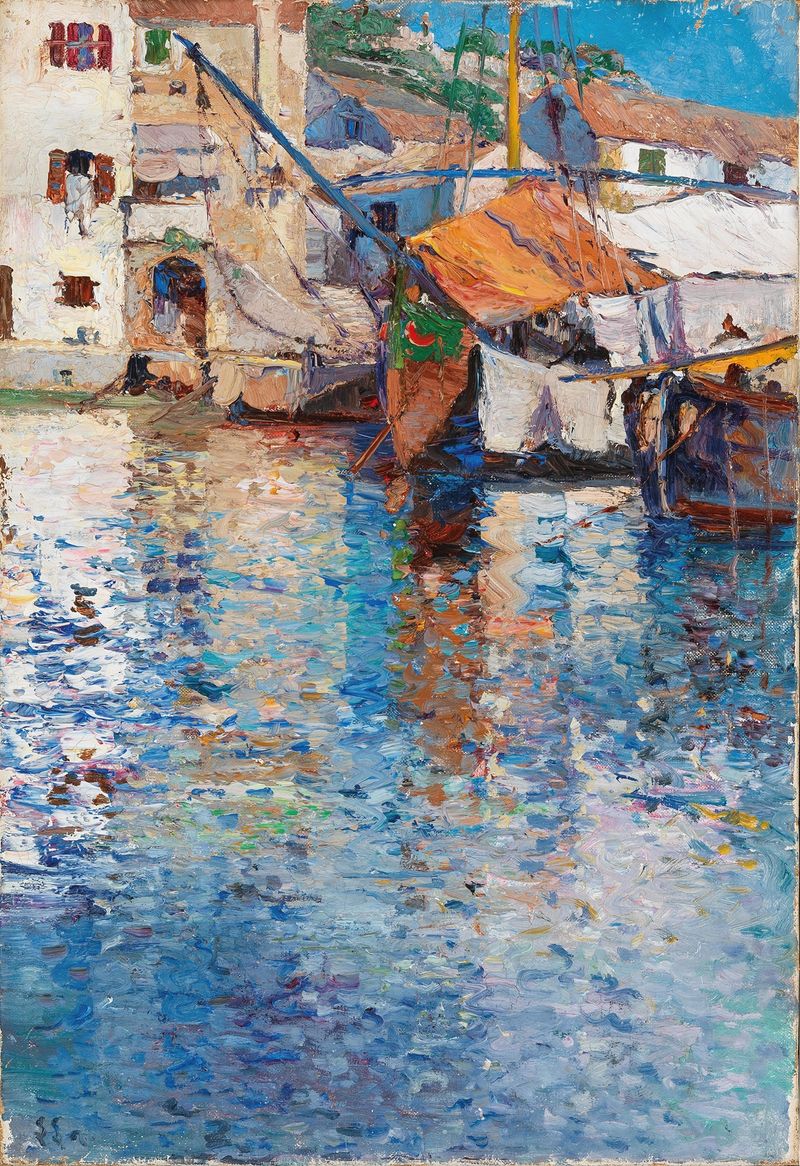
A Sunny Day in the Old Harbour
Leontine von Littrow
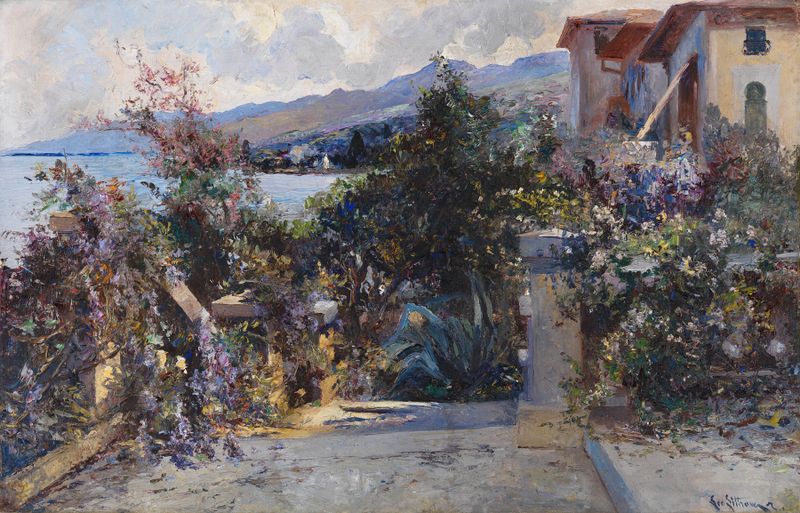
Küstenlandschaft bei Abbazia
Leontine von Littrow
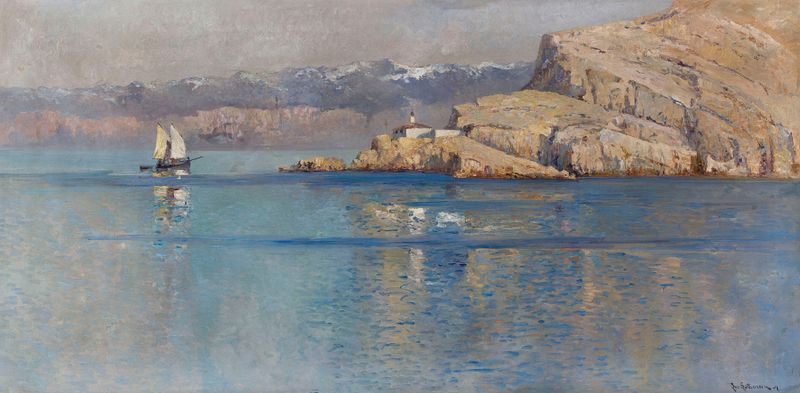
Marine landscape
Leontine von Littrow
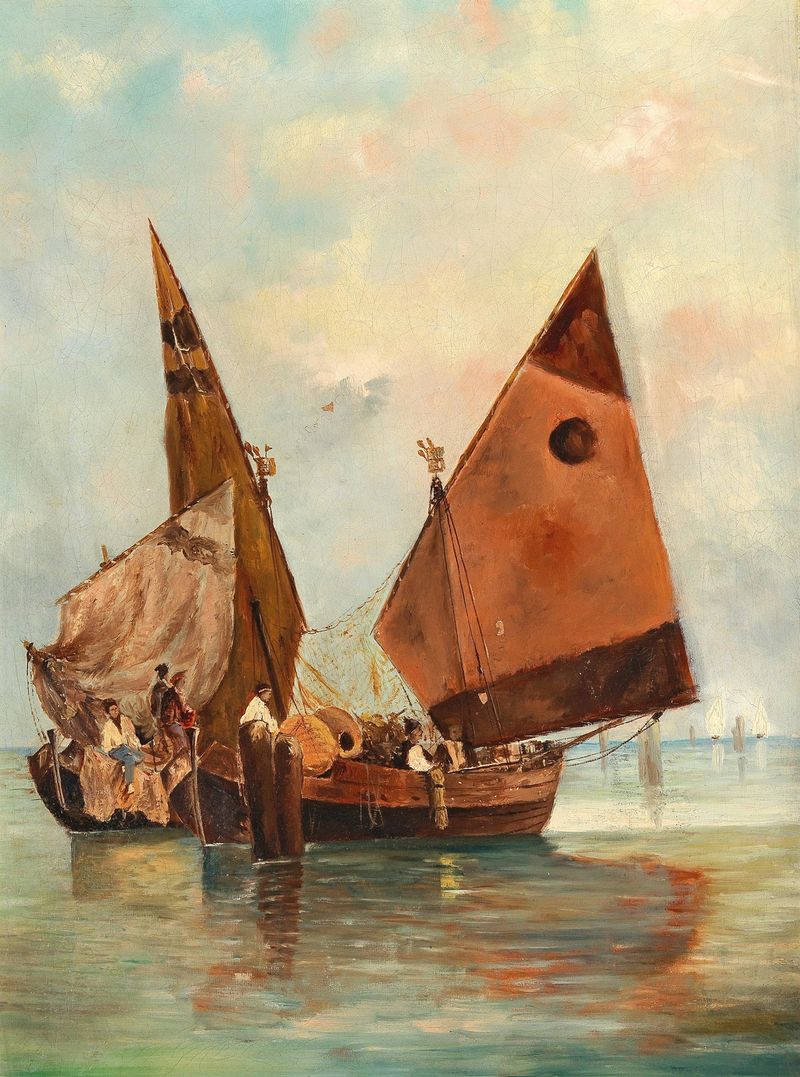
Boat with Sails Set and Moored in the Lagoon
Leontine von Littrow
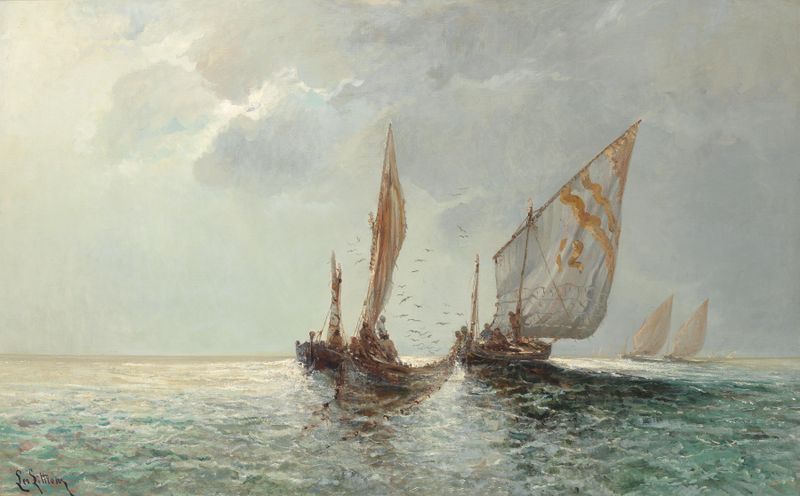
Fishing Boats By The Coast
Leontine von Littrow