
Portrait of a Dutchman with a Servant — History & Facts
Did the painter know this moment would outlive them? A world captured in a single frame, where the interplay of light and shadow becomes a silent dialogue between the subjects and the viewer. Look to the left at the dignified figure of the Dutchman, an embodiment of status rendered in rich textiles and meticulous detail. The soft glow of light bathes his face, illuminating his contemplative expression, while the less opulent figure of the servant stands in the background, subtly rendered yet essential to the narrative. Notice how the artist employs contrasting colors—deep blues and warm earth tones—that not only delineate social hierarchies but also weave a cohesive story through their visual harmony. Within this composition lies an intricate commentary on power dynamics and social relations of the time.
The poised stance of the Dutchman juxtaposed with the servant's deferential posture evokes questions about identity and servitude, while the careful balance of light suggests a fleeting moment of connection beneath the surface. The rich textures of clothing, combined with the soft illumination, echo the complexities of status, drawing viewers into an examination of both privilege and humility. Created during the Edo period in the 18th century, this work emerges from a time of flourishing trade and cultural exchange. Japan was experiencing a period of peace and prosperity, leading to increased contact with the West.
The unknown artist, likely influenced by these interactions, shaped a nuanced portrayal that reflects the intricate interplay between East and West, speaking to a broader artistic evolution of the time.
More Artworks by Unknown Artist
Browse all →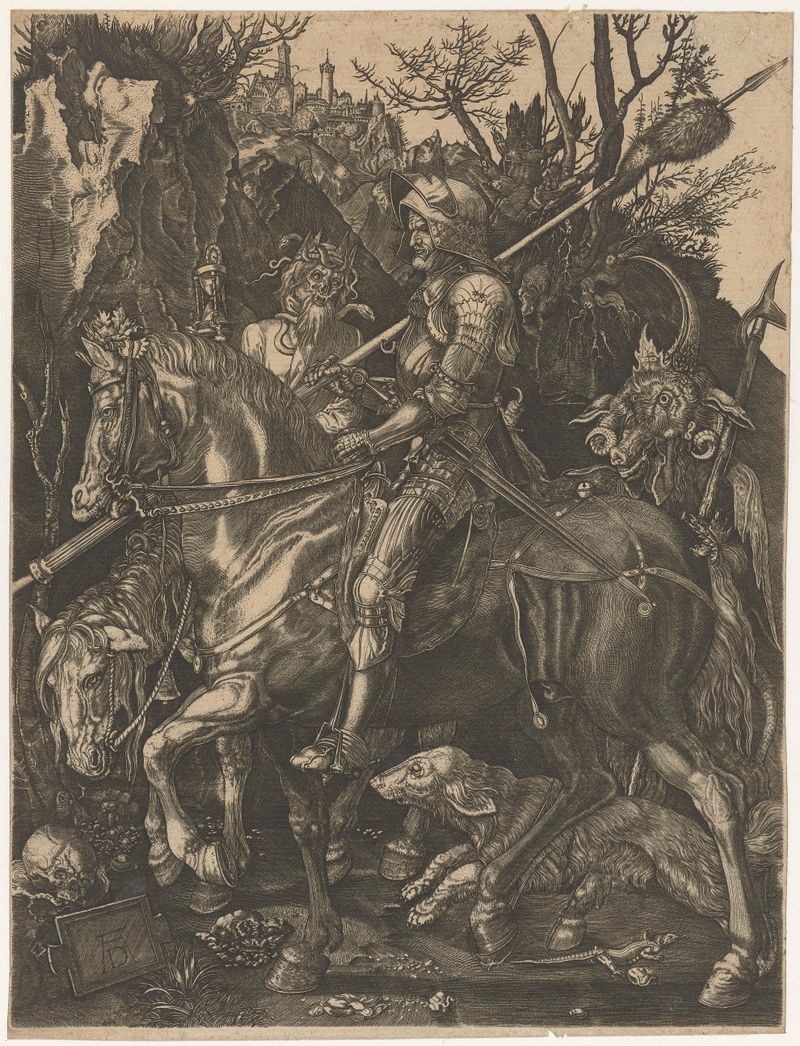
Ridder, Dood en Duivel
Unknown Artist
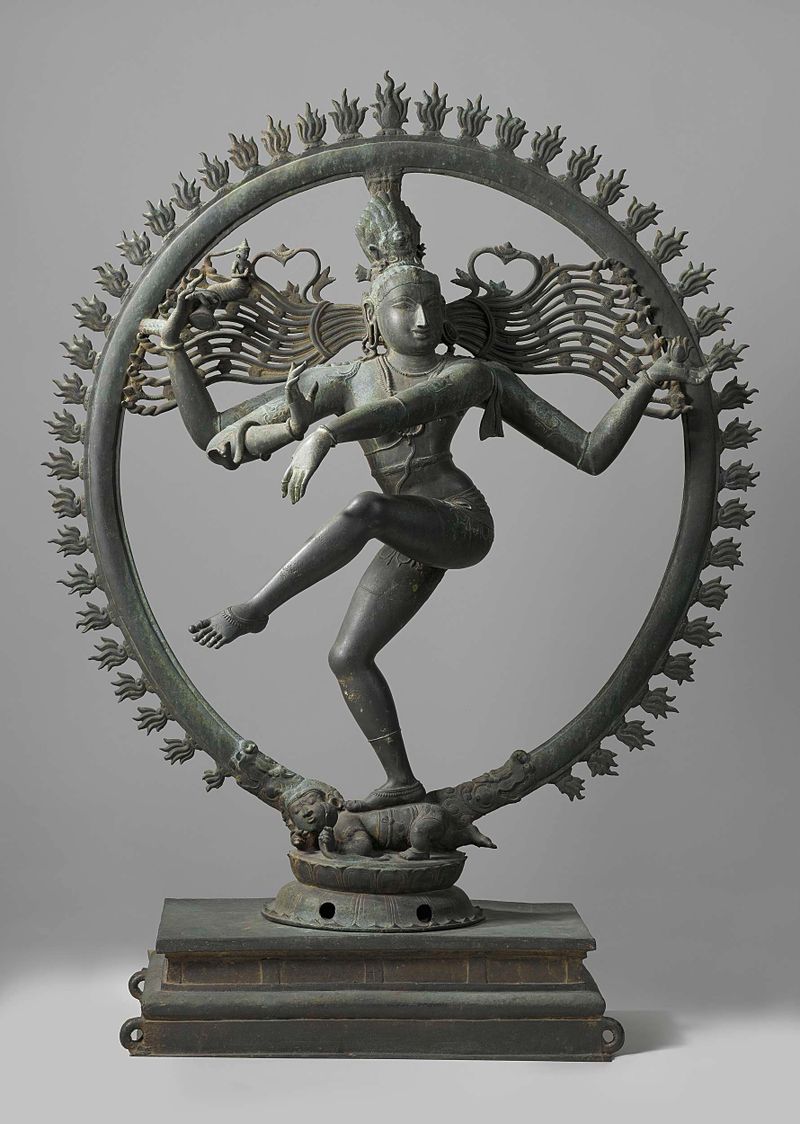
Shiva Nataraja
Unknown Artist
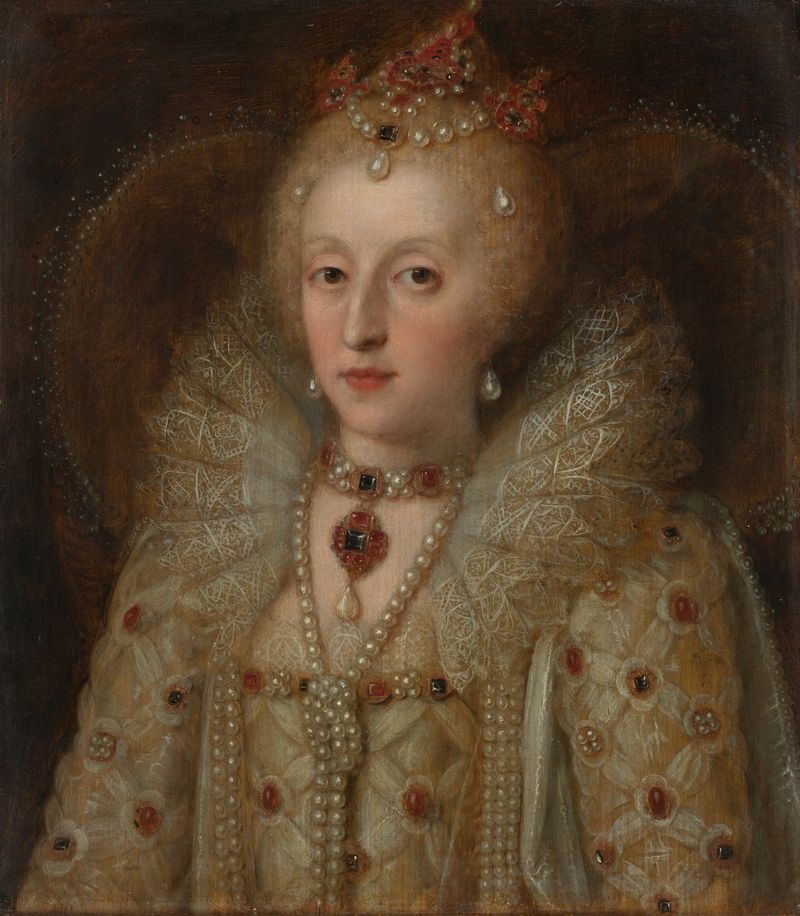
Portrait of Elizabeth I, Queen of England
Unknown Artist
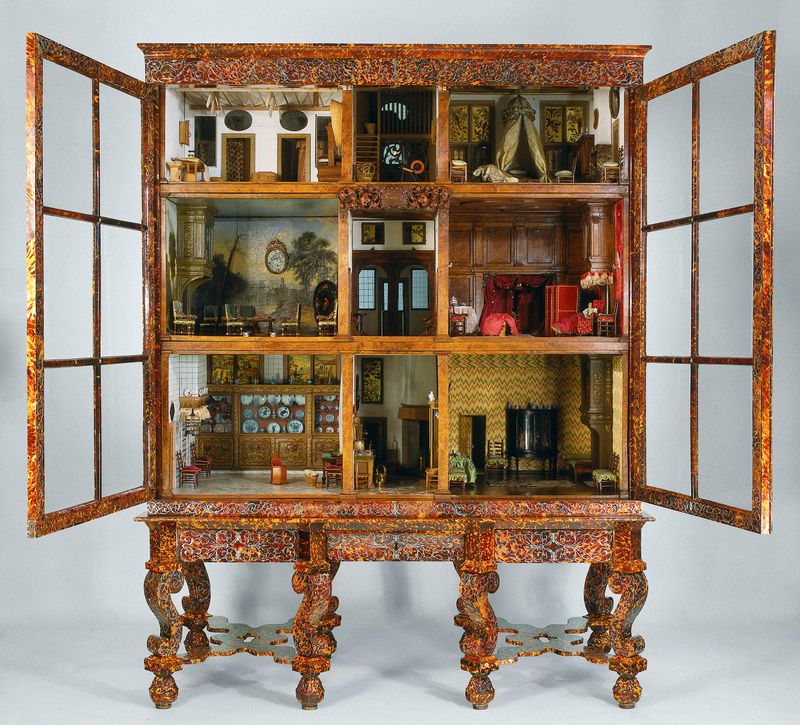
Dolls’ house of Petronella Oortman
Unknown Artist
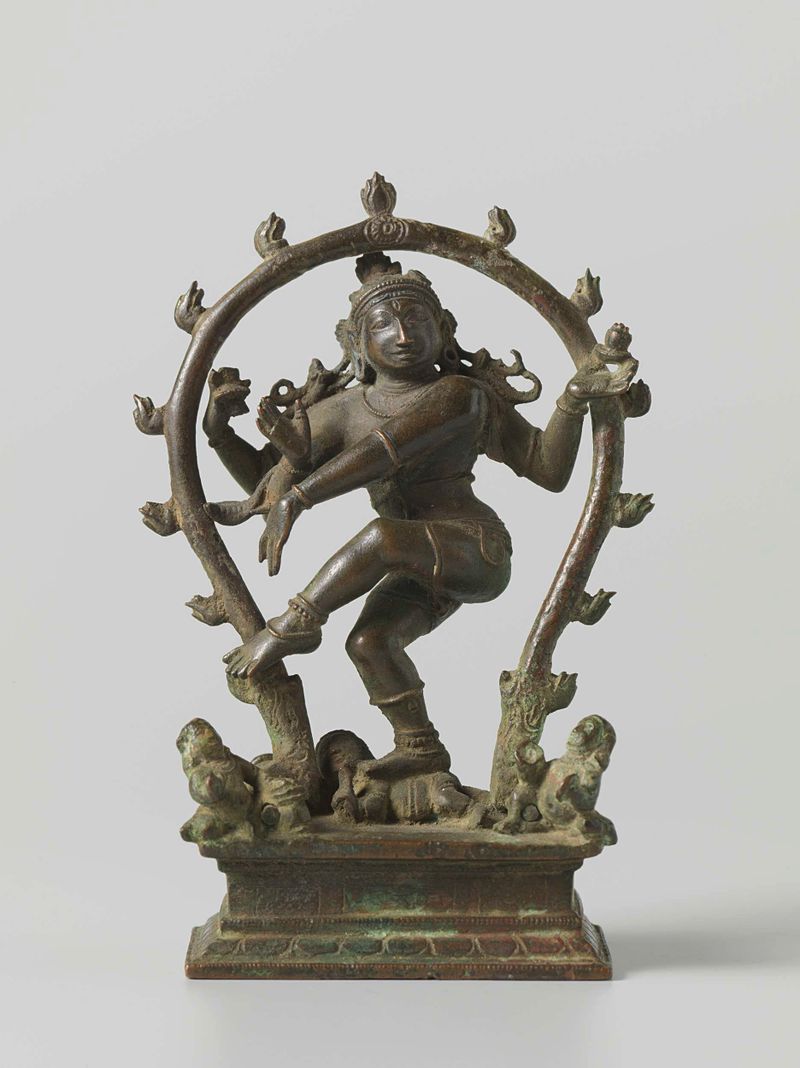
Shiva Nataraja
Unknown Artist

The Tale of Genji
Unknown Artist

The Tale of Genji
Unknown Artist

Cong
Unknown Artist
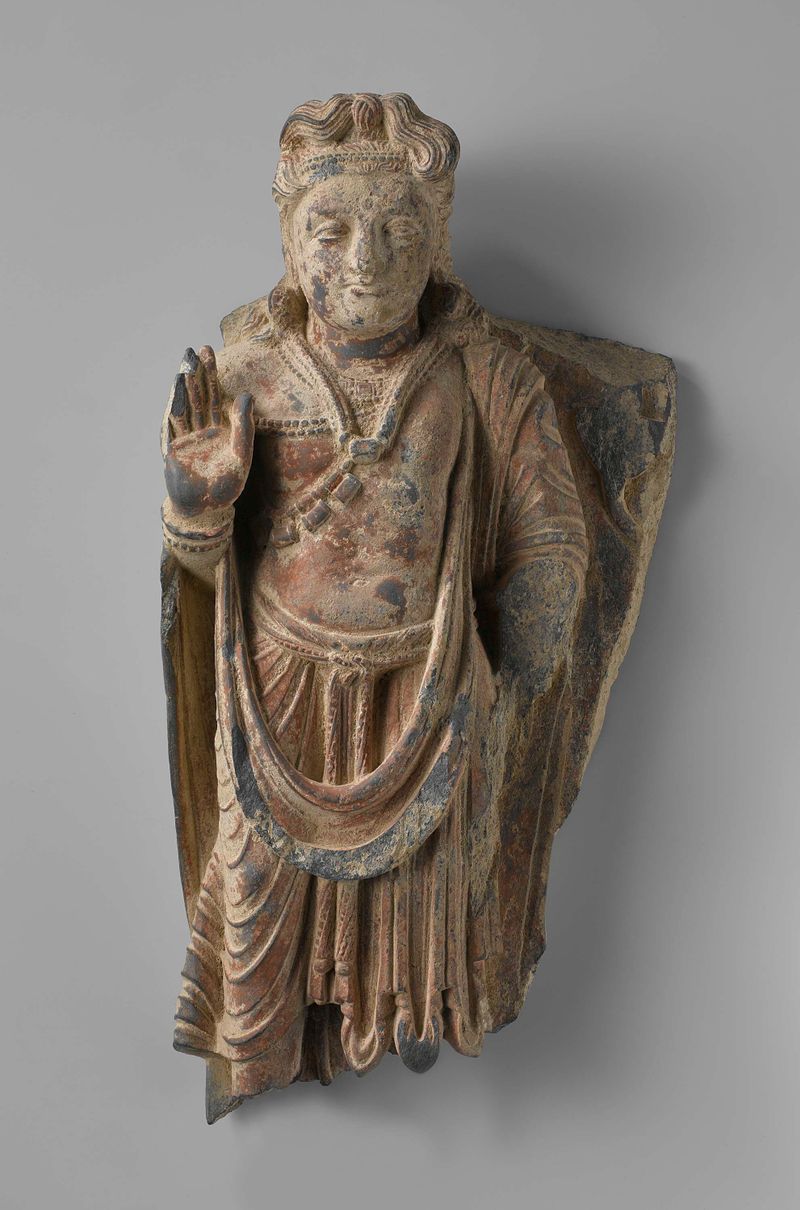
The bodhisattva Maitreya
Unknown Artist

Teabowl with a 'hare's fur' glaze
Unknown Artist
More Portrait Art
Browse all →
Las meninas
Diego Velázquez

Self-portrait with a Bandaged Ear and Pipe
Unidentified artist

Girl with a Pearl Earring
Johannes Vermeer

The Sampling Officials of the Amsterdam Drapers’ Guild, Known as ‘The Syndics’
Rembrandt van Rijn

The Hundred Guilder Print: the man seen on the back in the lower left corner
Rembrandt van Rijn

Portrait of Dr Gachet
Vincent van Gogh