
Portrait of a Man — History & Facts
What if silence could speak through light? In John Johnston’s Portrait of a Man, the stillness of the subject reverberates with a subtle fragility that invites introspection. Look to the right at the delicate play of light illuminating the man’s face, casting soft shadows that hint at his vulnerabilities. The muted color palette—earthy browns and soft grays—emphasizes a sense of quiet dignity, while the fine detail in his attire underscores a world of social expectation. Notice how his posture, slightly hunched yet composed, conveys both strength and weariness, encapsulating the weight of existence in a single moment. Beneath the surface lies a tension between strength and vulnerability.
The man's gaze meets the viewer's with an enigmatic expression, suggesting stories untold. His meticulously groomed appearance contrasts sharply with the natural aging of his hands, a reminder of the fragility of life and the passage of time. This juxtaposition frames a deeper narrative about identity and the roles we play in society, hinting at the complexities hidden behind a composed facade. Painted around 1795, Johnston created this work during a time when portraiture was a significant means of social expression, reflecting the Enlightenment’s values of individuality and reason.
As a prominent figure in the art scene of early America, Johnston sought to capture not just the likeness of his subjects, but their essence—creating portraits that resonate with need for both recognition and understanding in a rapidly changing world.
More Artworks by John Johnston
Browse all →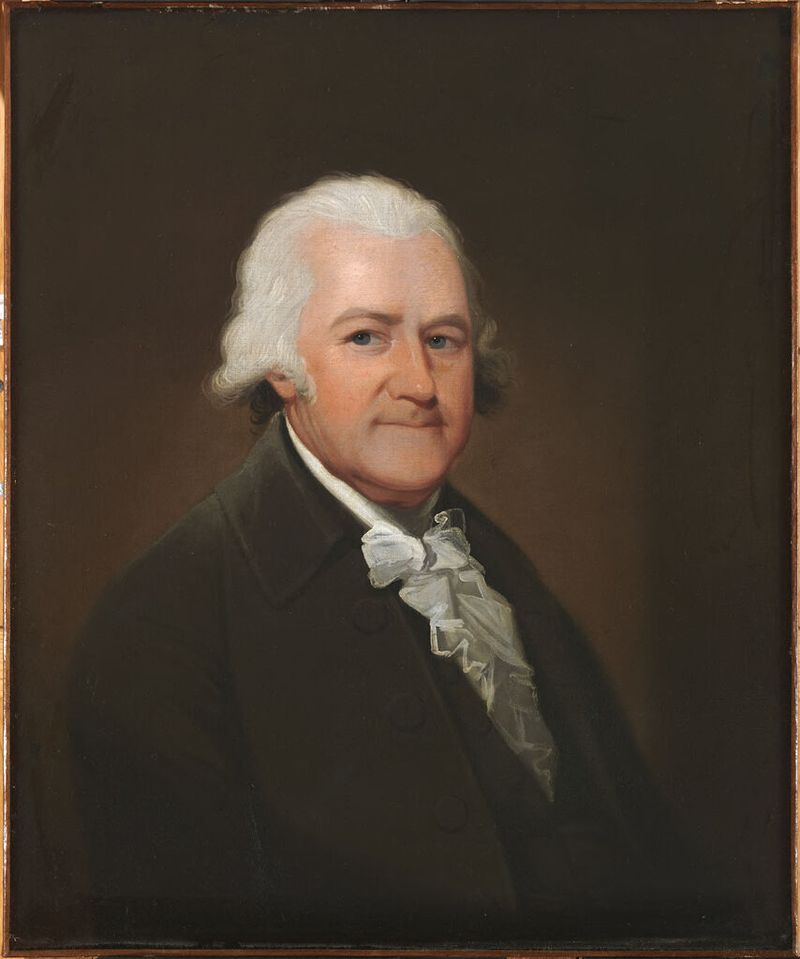
More Portrait Art
Browse all →
Las meninas
Diego Velázquez

Self-portrait with a Bandaged Ear and Pipe
Unidentified artist

Girl with a Pearl Earring
Johannes Vermeer

The Sampling Officials of the Amsterdam Drapers’ Guild, Known as ‘The Syndics’
Rembrandt van Rijn

The Hundred Guilder Print: the man seen on the back in the lower left corner
Rembrandt van Rijn

Portrait of Dr Gachet
Vincent van Gogh