John McLean (1761-1823) — History & Facts
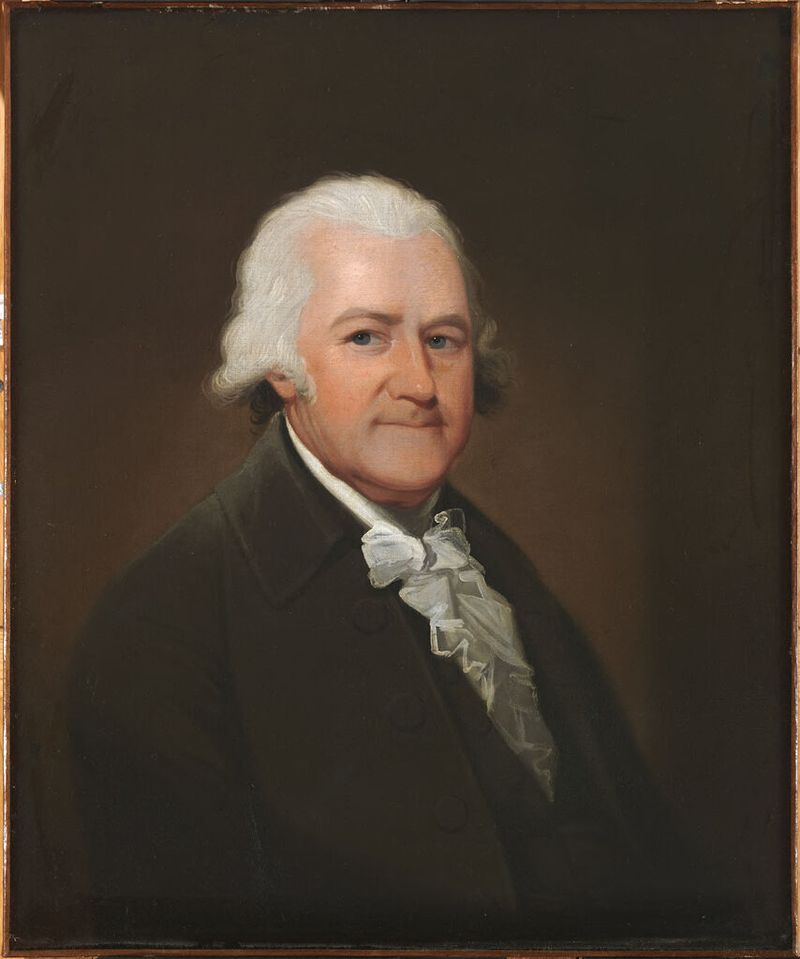
In the delicate strokes of this work, a profound sense of grief reverberates, inviting the viewer to reflect on loss and memory. Look to the center of the canvas where the figure stands, cloaked in muted tones that seem to absorb light rather than reflect it. The somber palette of blues and grays envelops the scene, creating a melancholic aura. Notice how the soft brushwork evokes the texture of fabric and skin, capturing a fleeting moment of introspection.
Johnston’s composition draws the eye inward, aligning the viewer’s heart with the palpable weight of sorrow etched across the figure’s face. Upon closer inspection, the subtle interplay of light and shadow reveals an inner turmoil, amplifying the emotional distance between the figure and their surroundings. The slight tilt of the head and the downcast gaze suggest an unresolved longing, perhaps for a lost connection or a time that has faded. The surrounding emptiness of the background reinforces this sense of isolation, as if the world outside stands still, indifferent to personal grief. Johnston painted this work around the turn of the 19th century, a period marked by both personal and artistic introspection.
Living in Scotland during a time of social and political upheaval, he was keenly aware of the transformative power of art amid tumultuous change. This piece reflects not only his technical prowess but also his deep engagement with the themes of memory and loss that resonate through human experience.