
Portrait of a Man, Possibly a Self-Portrait — History & Facts
A man with dark, curling hair and a prominent moustache turns his head to the viewer, his face emerging from a softly shadowed background. His gaze is direct and steady, with slightly raised eyebrows and lips pressed together, giving the portrait a sense of immediacy and presence. He wears a high, white collar that juts out sharply from his neck, contrasting with the deep, nearly black garment that covers his shoulders and chest.
The background is a muted, warm brown, painted with loose, blended strokes that leave no hint of setting or context, focusing attention entirely on the sitter. The light falls from the left, illuminating the left side of the man's face and casting gentle shadows across his cheek and under his chin, while the right side recedes into softer tones. The brushwork is fluid and confident, especially in the rendering of the hair and collar, where quick, visible strokes capture texture and movement.
The composition is tightly cropped, with the figure filling most of the canvas and the head set slightly off-center, creating a dynamic sense of immediacy. Subtle details, such as the glint in the sitter’s eyes and the careful modeling of the flesh, reveal the artist’s close observation and technical skill. The painting is attributed to Diego Velázquez and dates from the 1630s. The Metropolitan Museum of Art describes the work as Portrait of a Man, Possibly a Self-Portrait, and notes that it was painted around 1635.
In 2009, after a cleaning revealed the original clarity and vibrancy of the brushwork, the museum restored the traditional attribution to Velázquez.
Sources: Metropolitan Museum of Art, record 49.7.42 · Wikidata Q6371404 · Wikipedia: Portrait of a Man (Velázquez)
More Artworks by Diego Velázquez

Las Meninas
Diego Velázquez
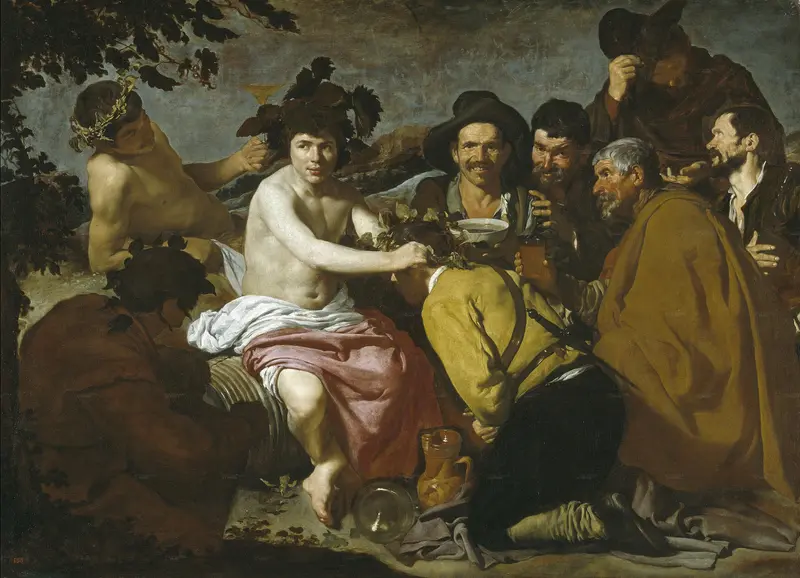
The Triumph of Bacchus
Diego Velázquez
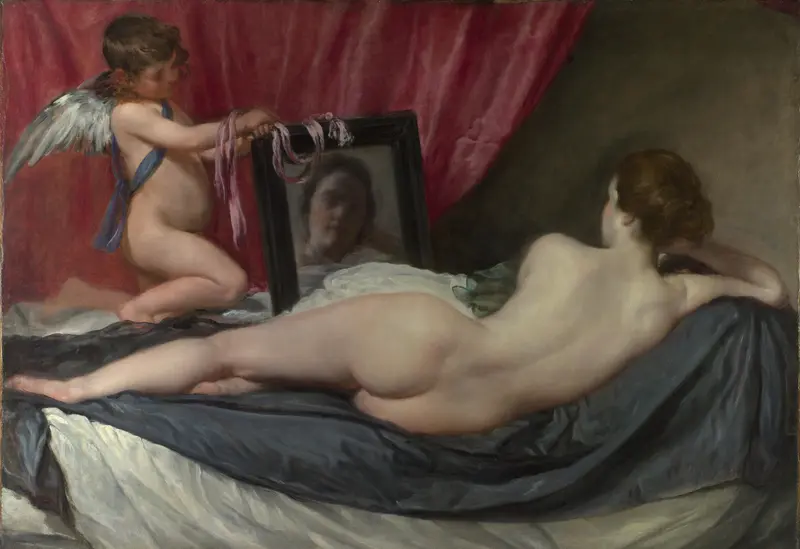
Rokeby Venus
Diego Velázquez
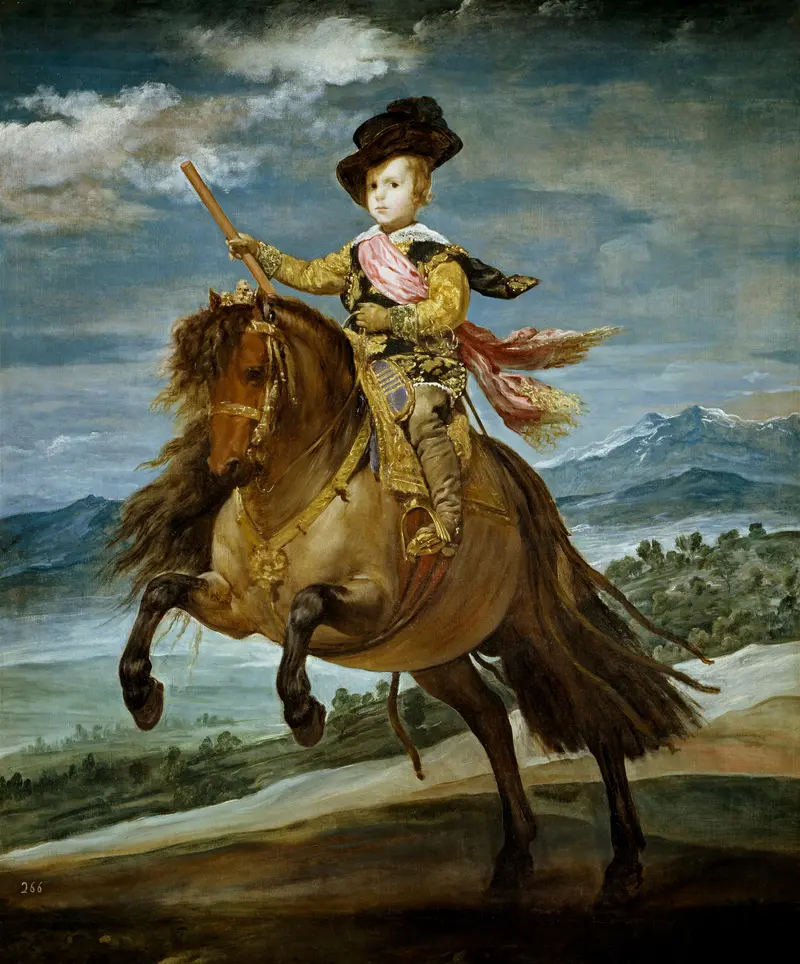
Equestrian Portrait of Prince Balthasar Charles
Diego Velázquez
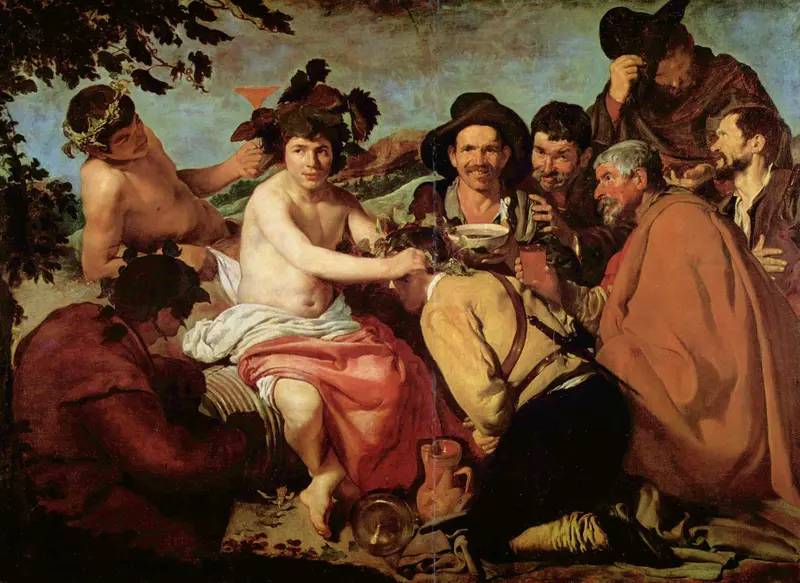
Bacchus
Diego Velázquez
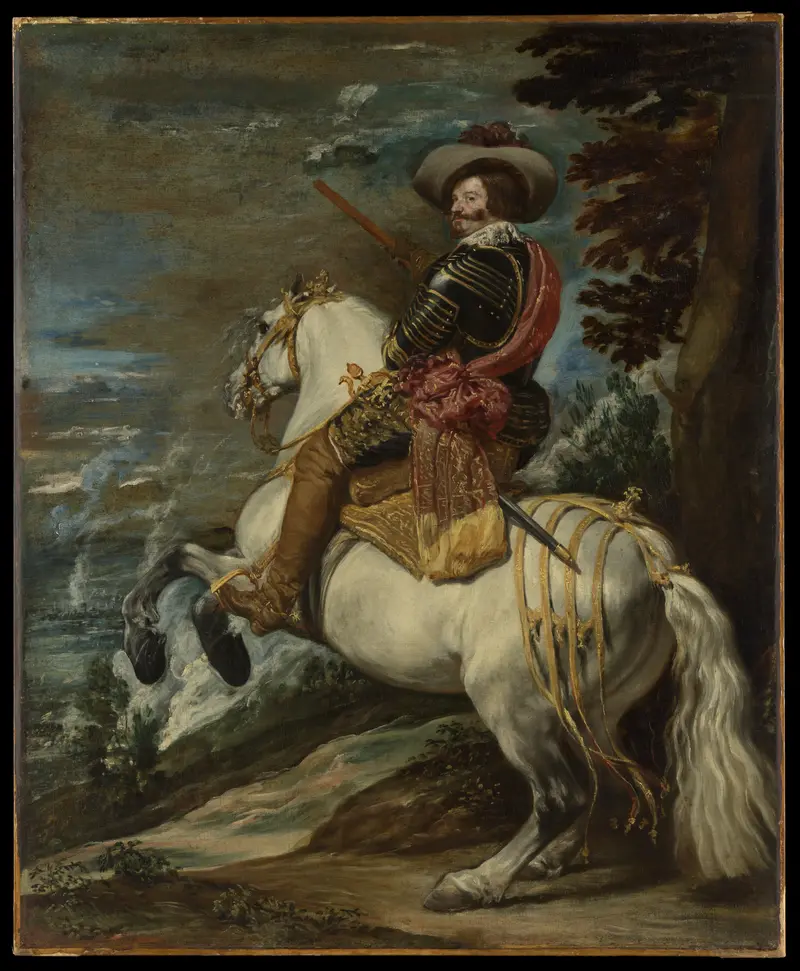
Don Gaspar de Guzmán (1587–1645), Count-Duke of Olivares
Diego Velázquez
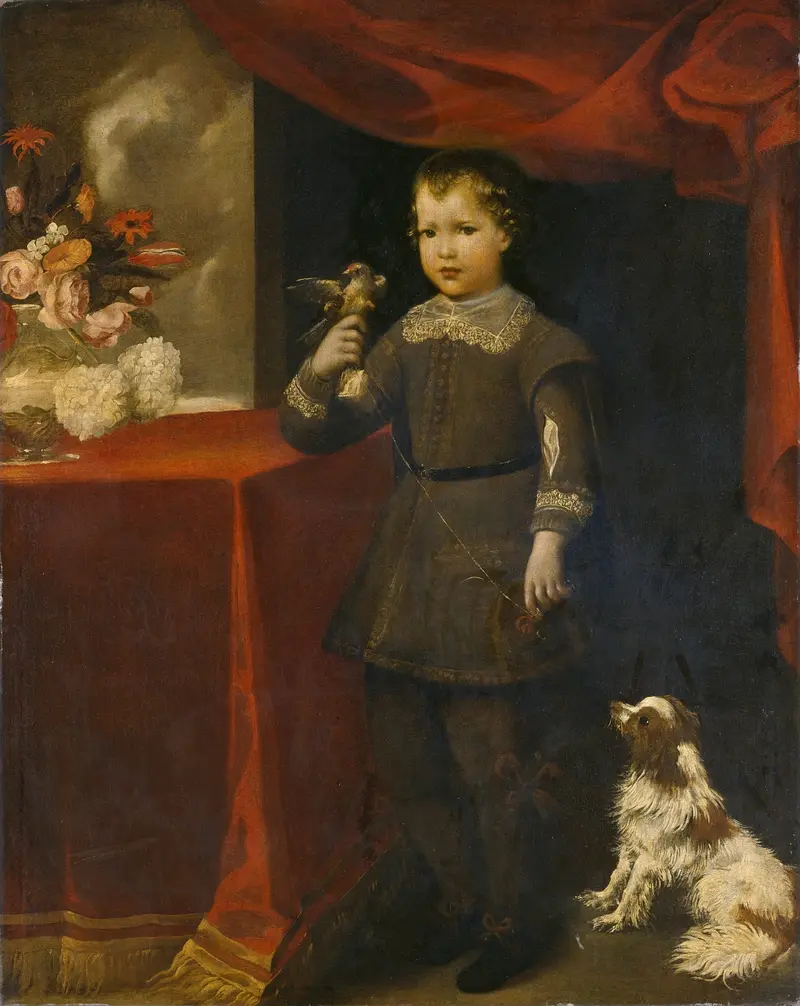
El príncipe Baltasar Carlos de Austria
Diego Velázquez
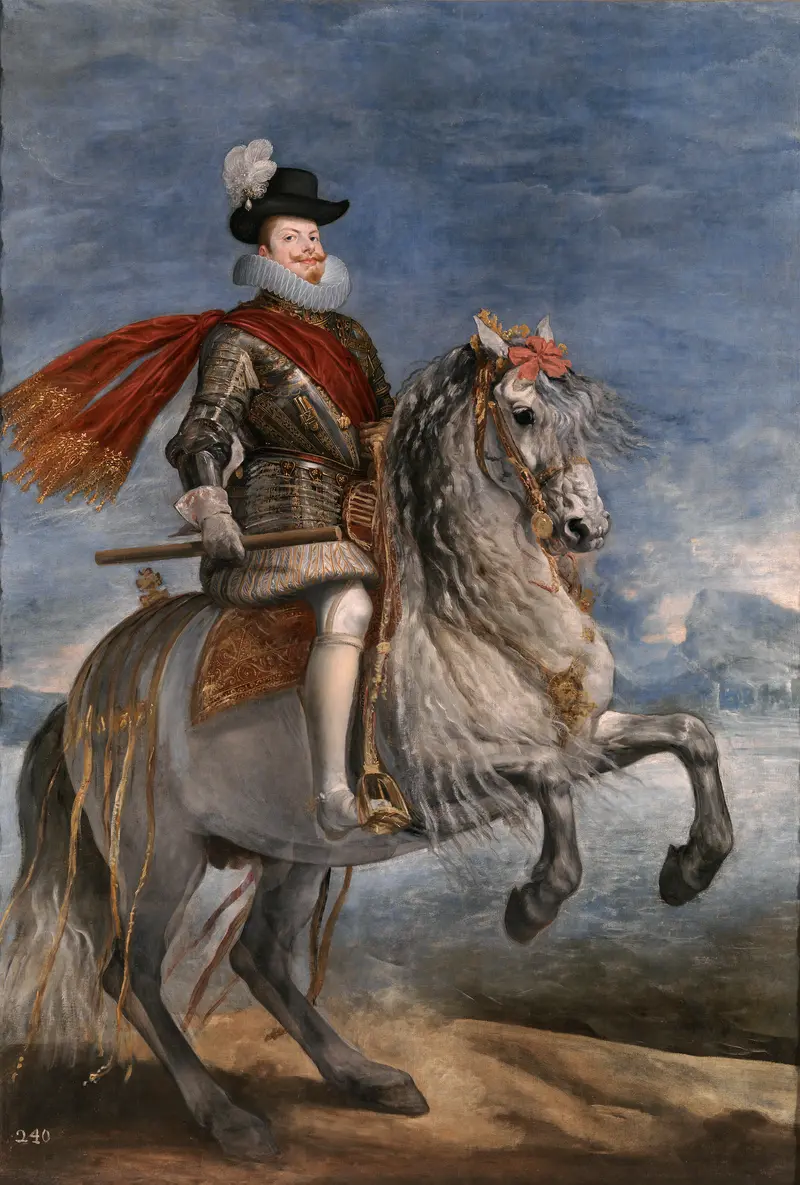
Equestrian Portrait of Philip III
Diego Velázquez
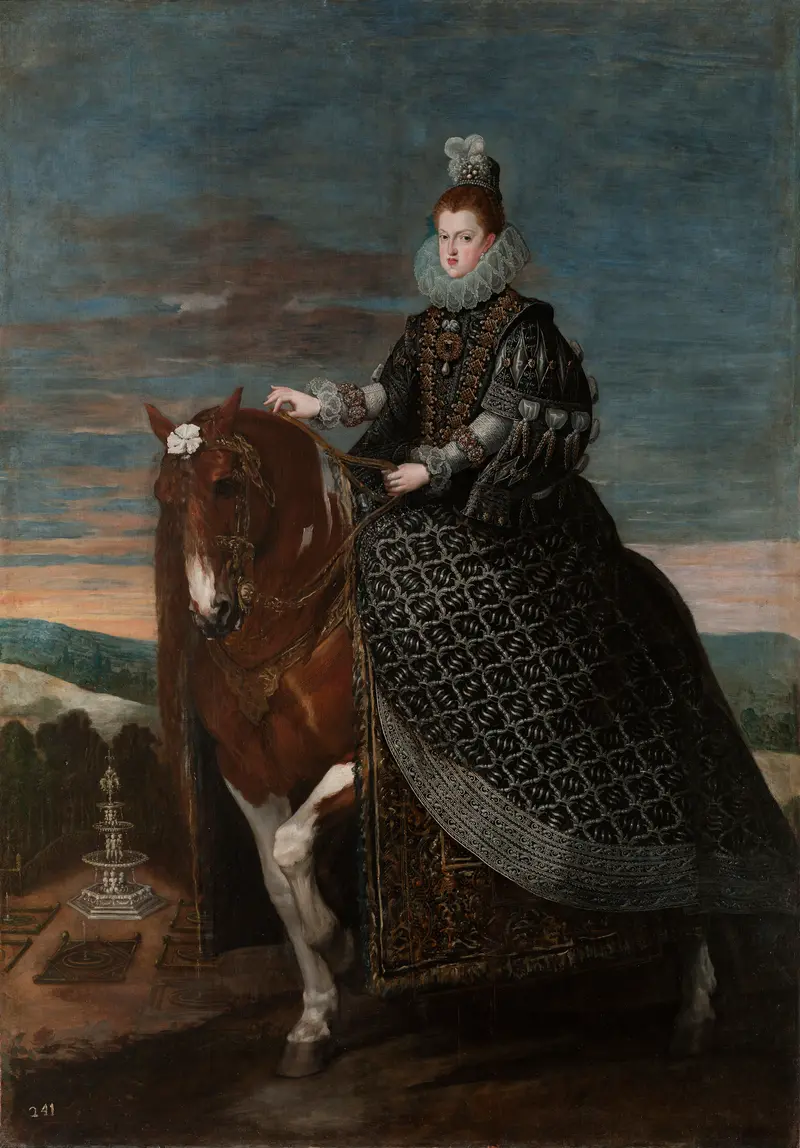
Equestrian Portrait of Margarita of Austria
Diego Velázquez
Las Hilanderas
Diego Velázquez




