
Portrait of Philip the Good, Duke of Burgundy — History & Facts
Is this a mirror — or a memory? The essence of time whispers through the pigments, capturing not just a likeness, but an indelible spirit. Look to the left at the regal figure, draped in opulent garments of deep blue and gold, which embody both power and privilege. Notice how the artist skillfully renders the intricate details of the fabric, each fold and shadow meticulously painted to imply movement, as if the Duke might step forth from the canvas at any moment. The piercing gaze of the Duke, framed by a richly embroidered collar, anchors the viewer’s attention, while the background fades subtly, allowing the figure to command the space with an almost palpable presence. Yet within this stillness lies a profound tension.
The Duke's slight smile dances between authority and vulnerability, suggesting the weight of leadership intertwined with personal sacrifice. The contrast of the warm skin tones against the cool palette enriches this duality, while the delicate play of light illuminates his face, casting shadows that hint at the burdens he carries. There’s also a deliberate emptiness; the absence of elaborate background detail speaks to the isolation that power often brings, inviting reflection on the passage of time and the legacy one leaves behind. This portrait was crafted during the late 15th century, a time of rising individualism in art and the flourishing of the Northern Renaissance.
The artist remains unknown, yet the work reflects a period when portraiture began to evolve into a more personal and introspective realm, capturing not only the physical form but the essence of the sitter. As Europe grappled with shifting political landscapes, the image of Philip the Good stands as a testament to the complexities of identity and the timeless nature of memory.
More Artworks by Unknown Artist
Browse all →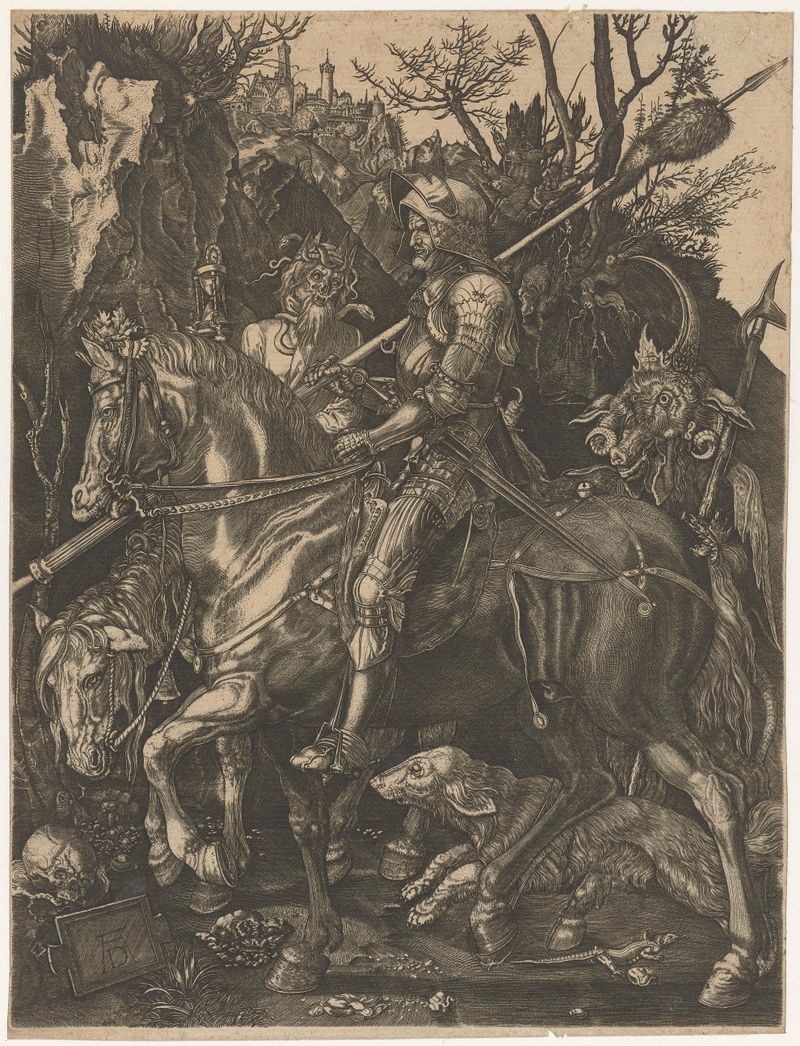
Ridder, Dood en Duivel
Unknown Artist
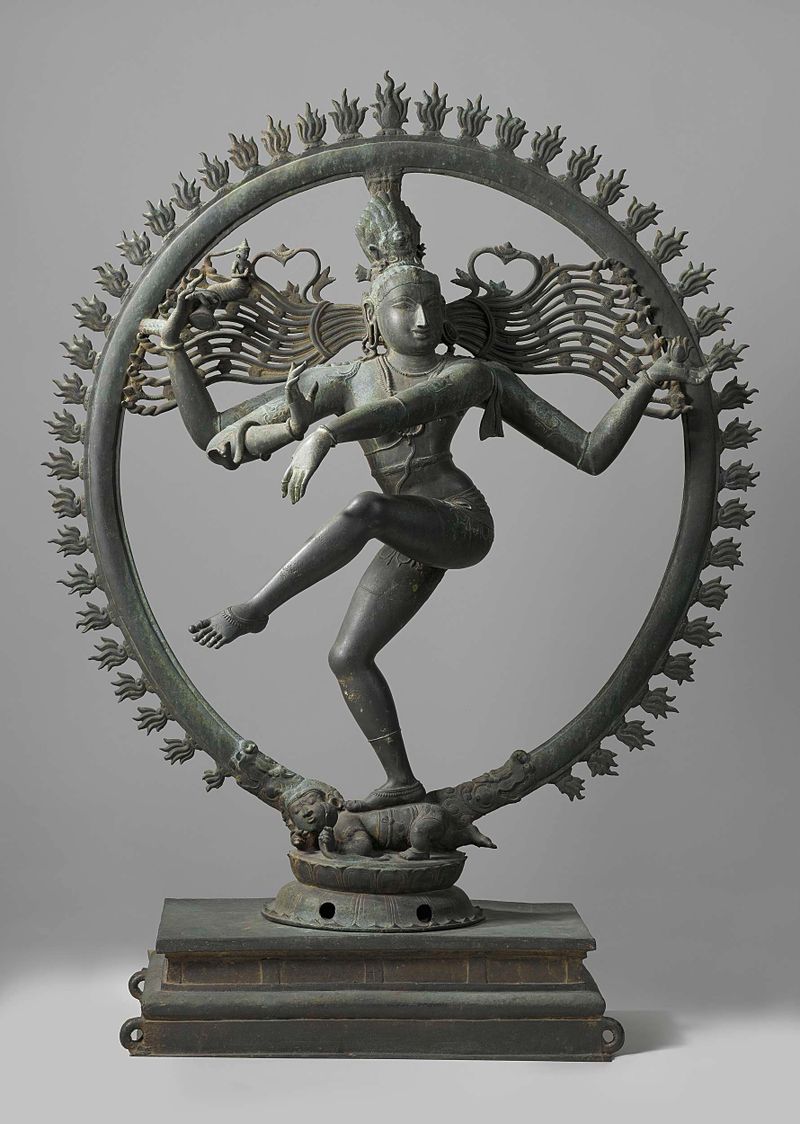
Shiva Nataraja
Unknown Artist
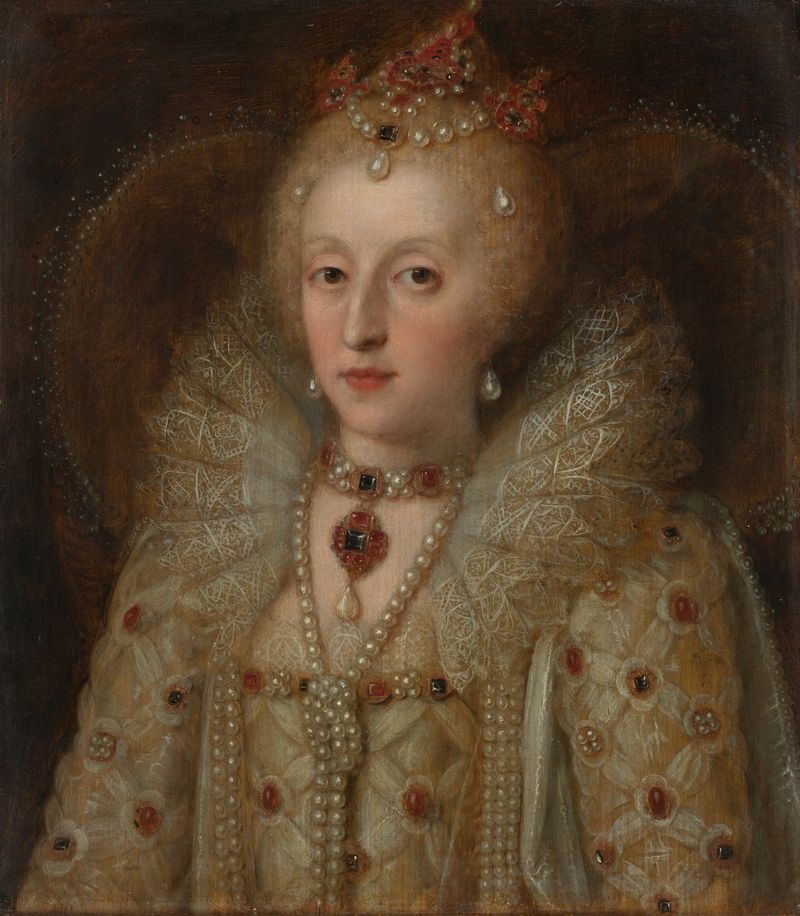
Portrait of Elizabeth I, Queen of England
Unknown Artist
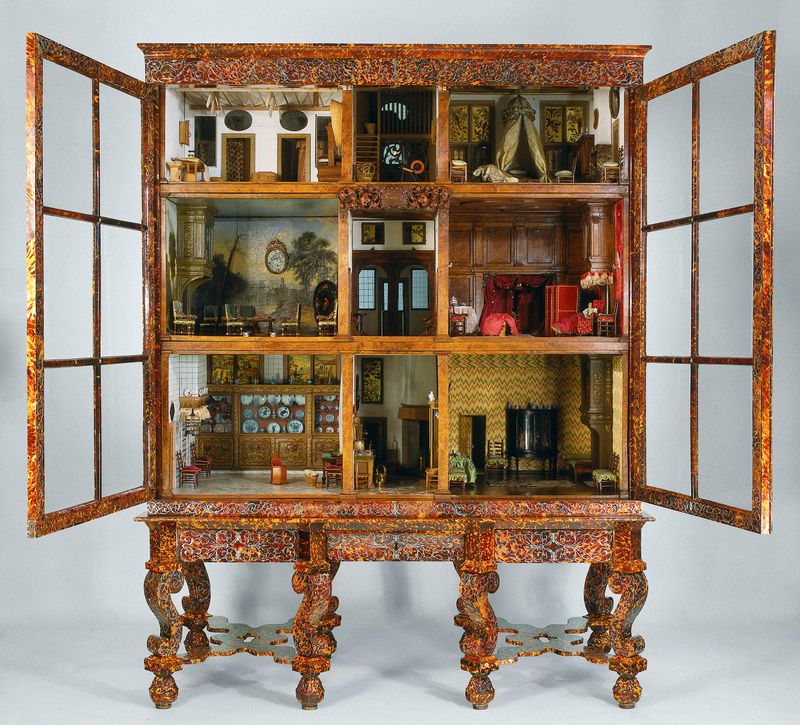
Dolls’ house of Petronella Oortman
Unknown Artist
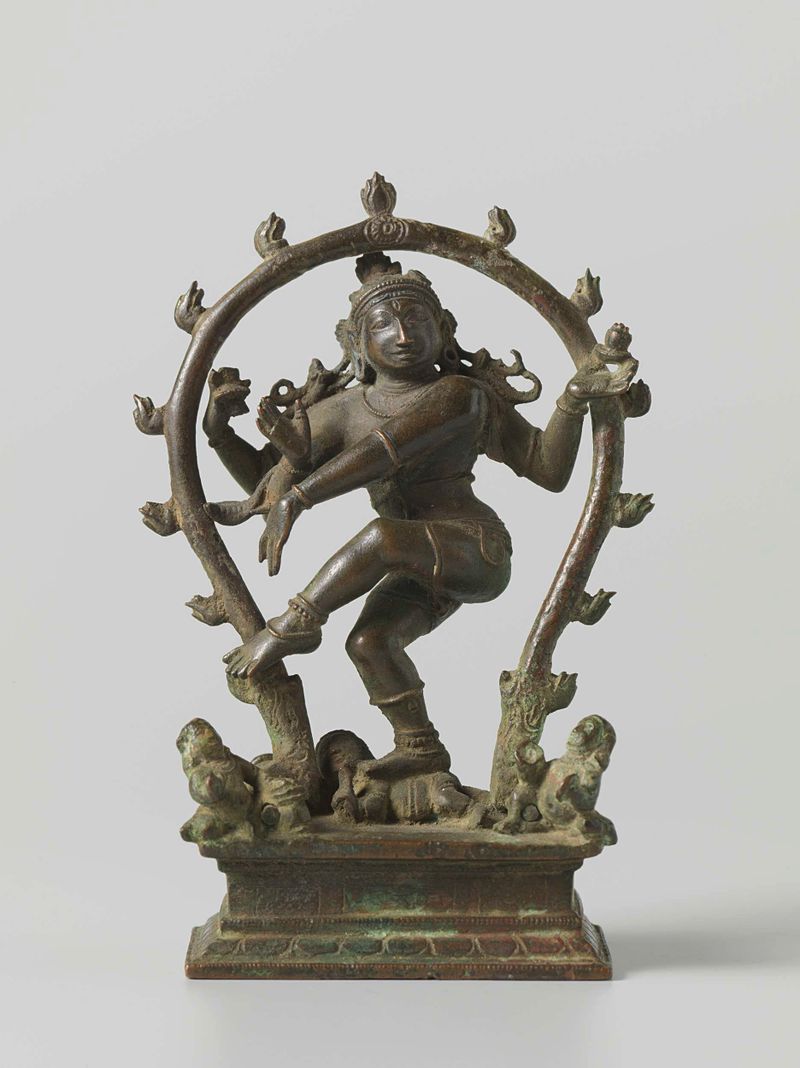
Shiva Nataraja
Unknown Artist

The Tale of Genji
Unknown Artist

The Tale of Genji
Unknown Artist

Cong
Unknown Artist
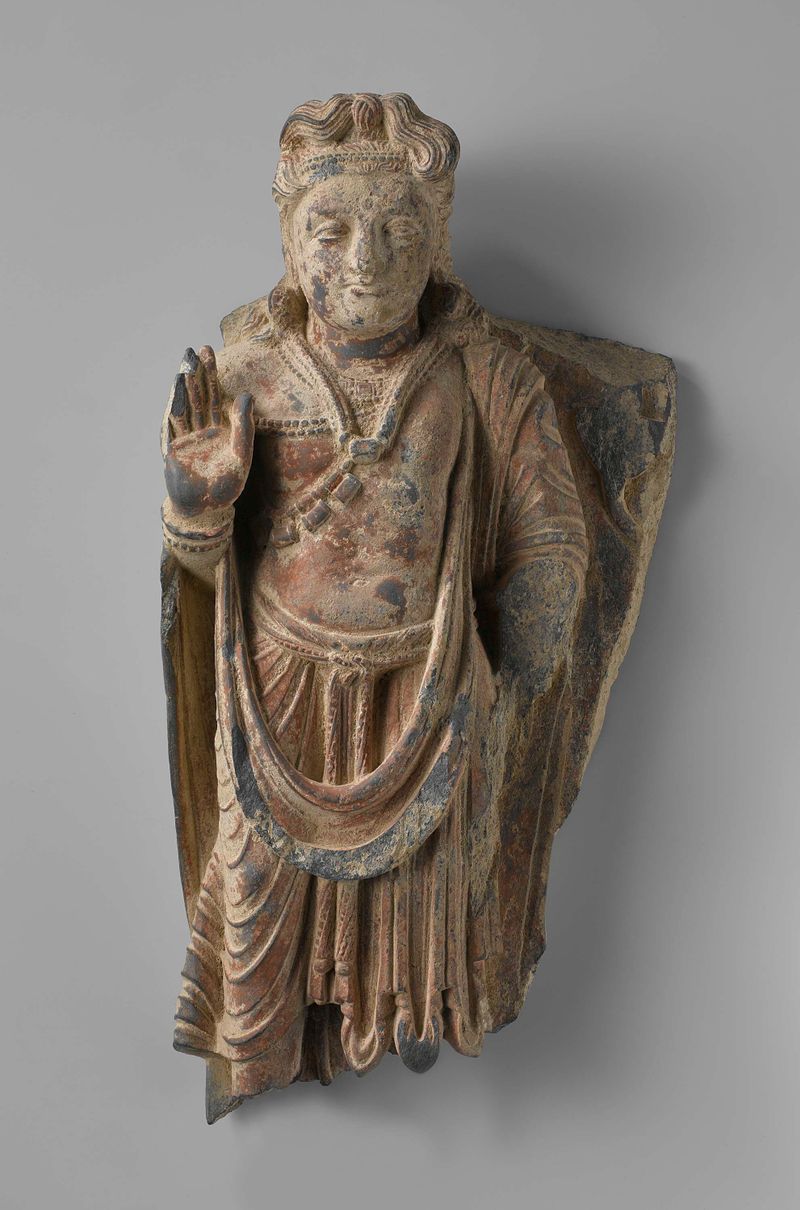
The bodhisattva Maitreya
Unknown Artist

Teabowl with a 'hare's fur' glaze
Unknown Artist
More Portrait Art
Browse all →
Las meninas
Diego Velázquez

Self-portrait with a Bandaged Ear and Pipe
Unidentified artist

Girl with a Pearl Earring
Johannes Vermeer

The Sampling Officials of the Amsterdam Drapers’ Guild, Known as ‘The Syndics’
Rembrandt van Rijn

The Hundred Guilder Print: the man seen on the back in the lower left corner
Rembrandt van Rijn

Portrait of Dr Gachet
Vincent van Gogh