
Portret van Armand de Bourbon, prins van Conti — History & Facts
What if beauty was never meant to be finished? In a world where the fleeting nature of life is ever present, one can’t help but ponder the delicate balance between appearance and essence, especially in the realm of portraiture. Look closely at the figure’s expression, where the soft contours of Armand de Bourbon's face reveal an inner turmoil masked by an elegant facade. The artist employs a rich palette of deep blues and warm earth tones, drawing the eye immediately to the intricate details of the prince’s attire—each fold of fabric painstakingly rendered, each thread whispering of nobility. Notice how the light cascades over his shoulder, accentuating the vulnerability hidden behind his poised demeanor, creating a poignant juxtaposition between strength and fragility. Delve deeper into the background, where shadows linger, suggesting a history marked by ambition and regret.
The play of light and dark within the painting reflects the dualities of status and isolation that often accompany power. Here, the viewer senses a tension; the stability of the prince’s exterior contrasts sharply with the underlying sentiment of loss, hinting at the transient nature of beauty and life itself. Created in a period when the Baroque style was flourishing in Europe, this work emerged between 1628 and 1670, a time when artists explored the depths of human emotion through meticulous realism. De Jode, active in Antwerp, was influenced by the complexity of his contemporaries, crafting portraits that not only captured likeness but also the spirit of his subjects.
This piece stands as a testament to the artist's commitment to reflecting the human experience, encapsulating the bittersweet essence of existence.
More Artworks by Pieter de Jode (II)
Browse all →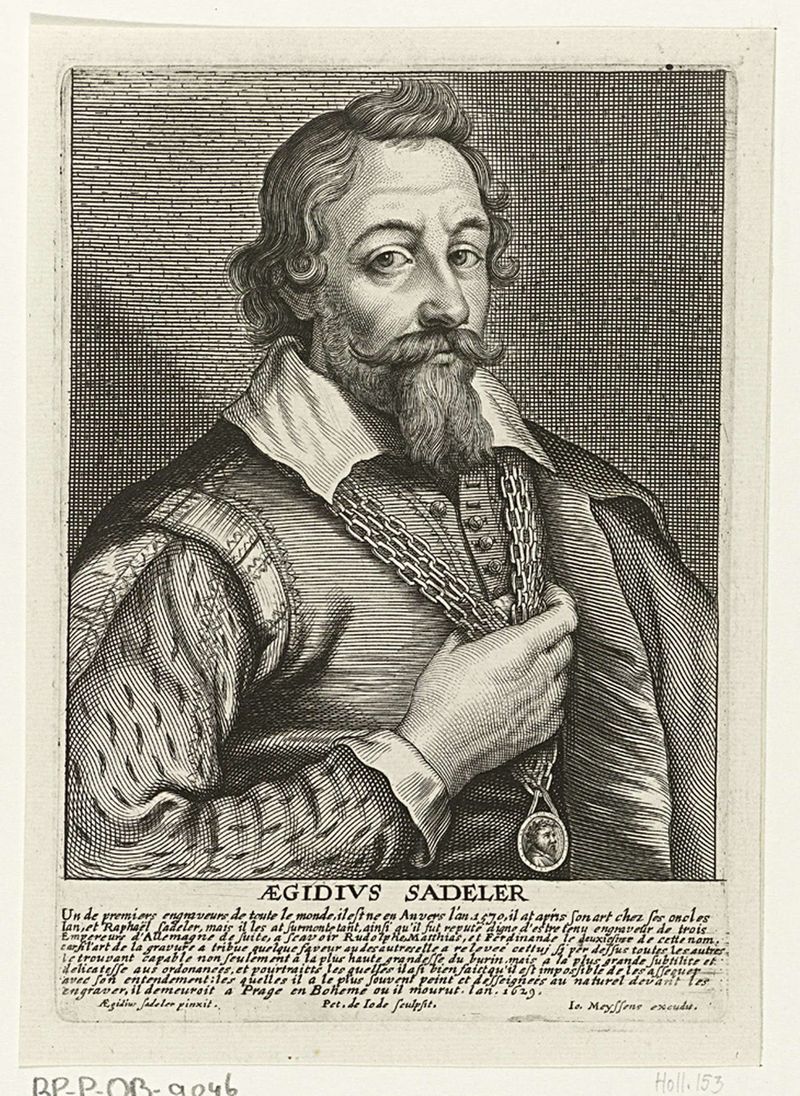
Portret van Aegidius Sadeler
Pieter de Jode (II)
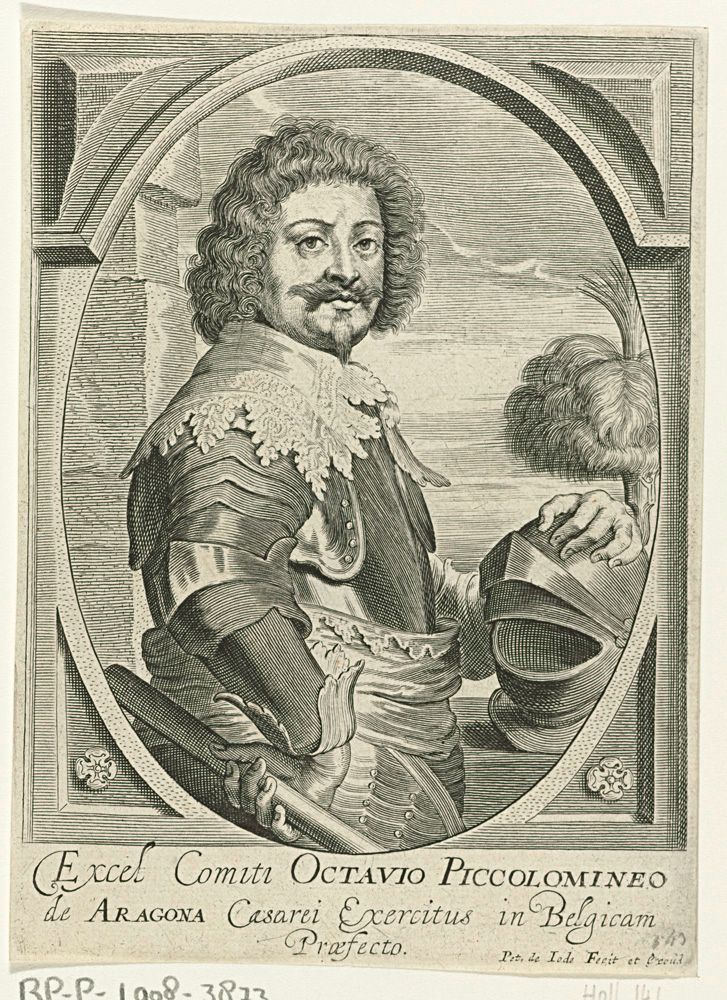
Portret van Ottavio Piccolomini
Pieter de Jode (II)
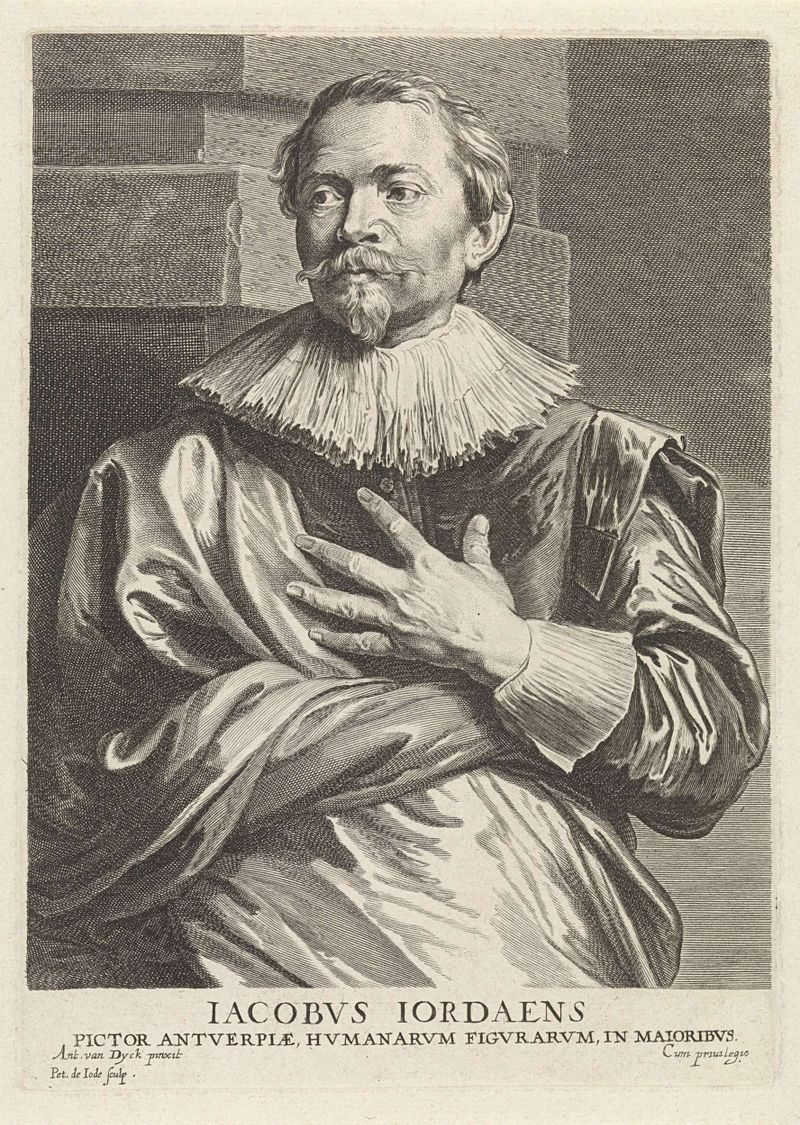
Portret van Jacques Jordaens
Pieter de Jode (II)

Busteportret van Karel Albert de Longueval
Pieter de Jode (II)
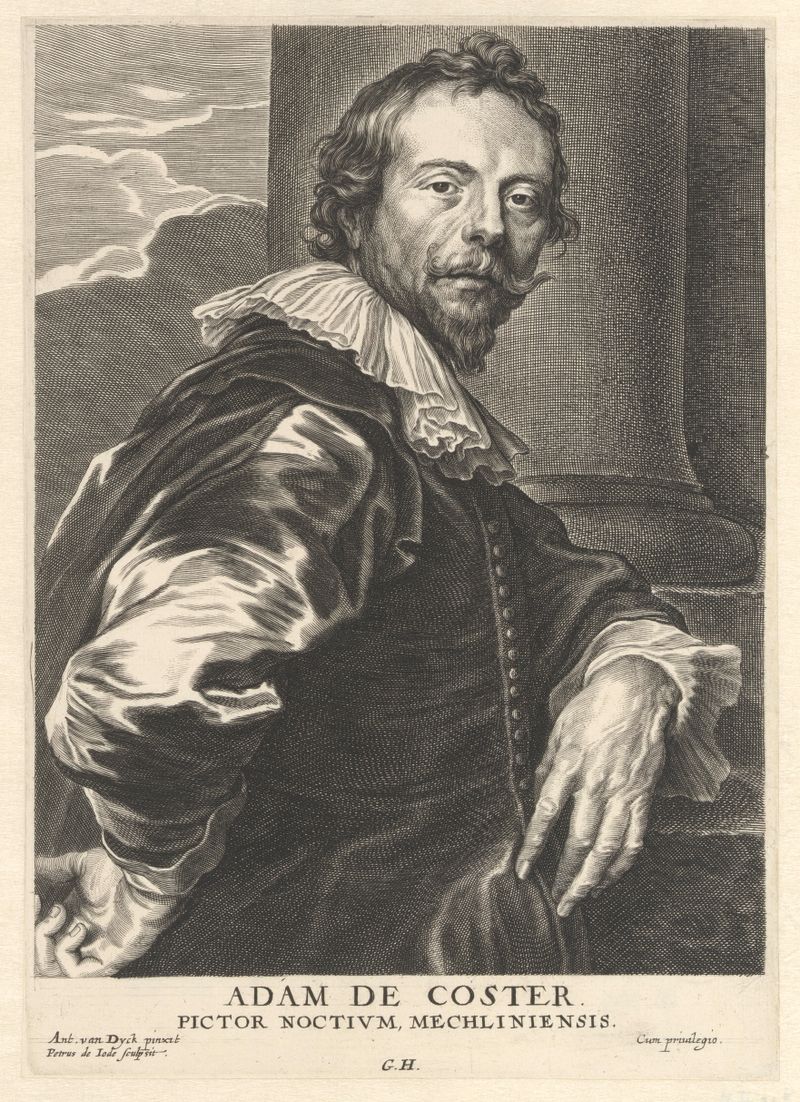
Portret van Adam de Coster
Pieter de Jode (II)

Portret van Aartshertog Leopold Willem van Oostenrijk
Pieter de Jode (II)
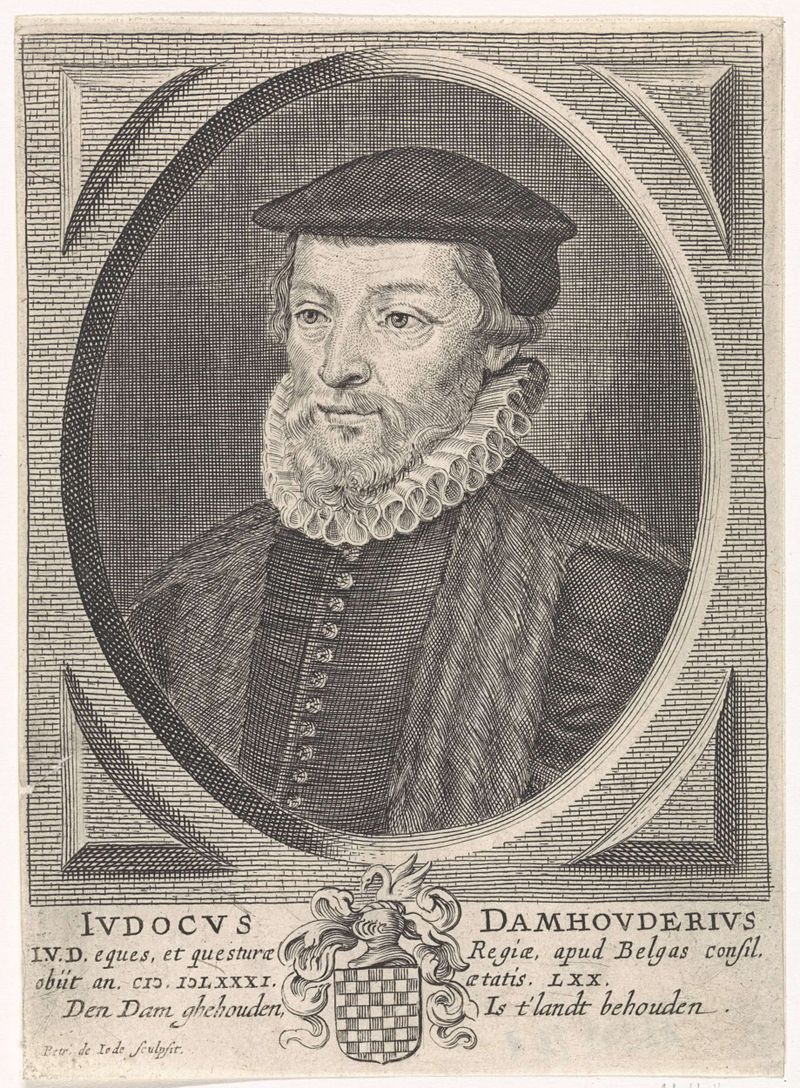
Portret van Joost de Damhouder
Pieter de Jode (II)
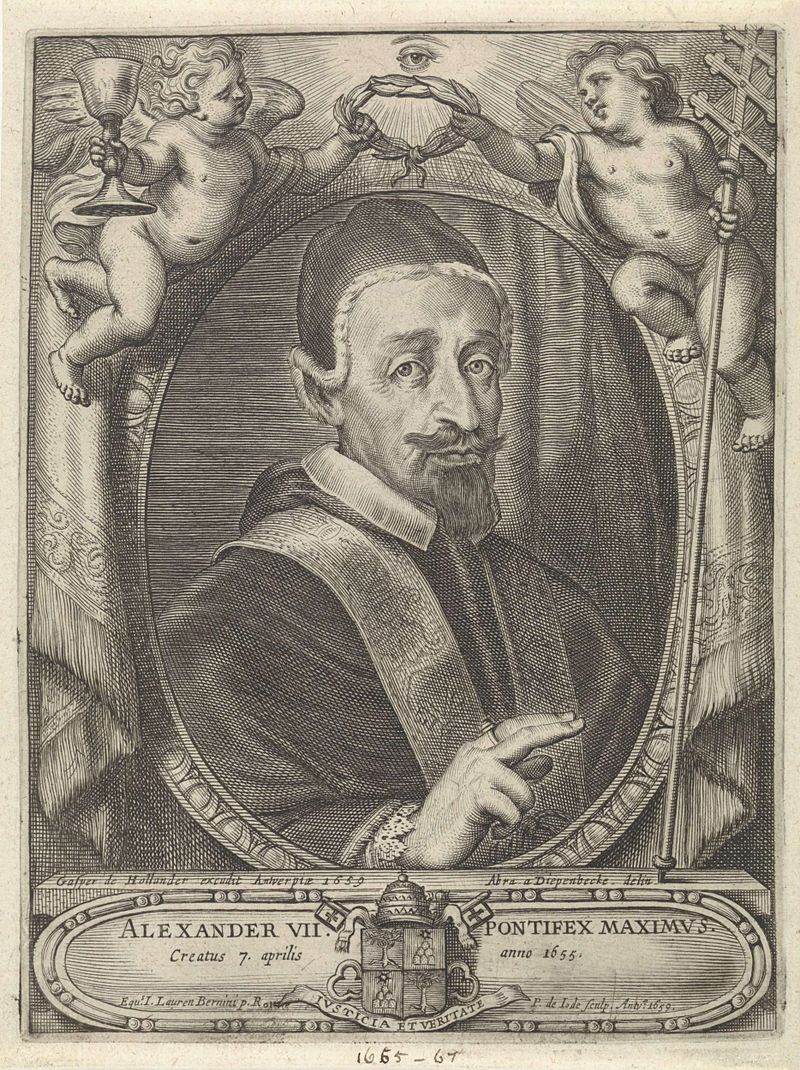
Portret van paus Alexander VII
Pieter de Jode (II)
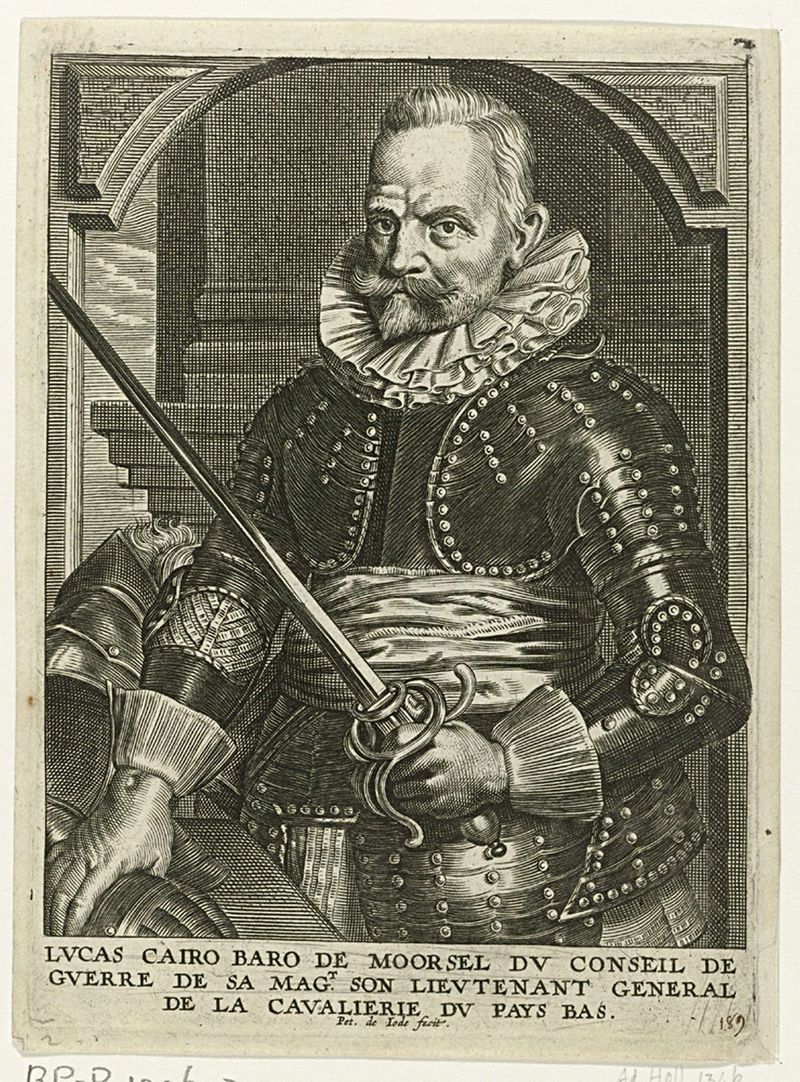
Portret van Lucas Cayro, baron van Moorsel
Pieter de Jode (II)
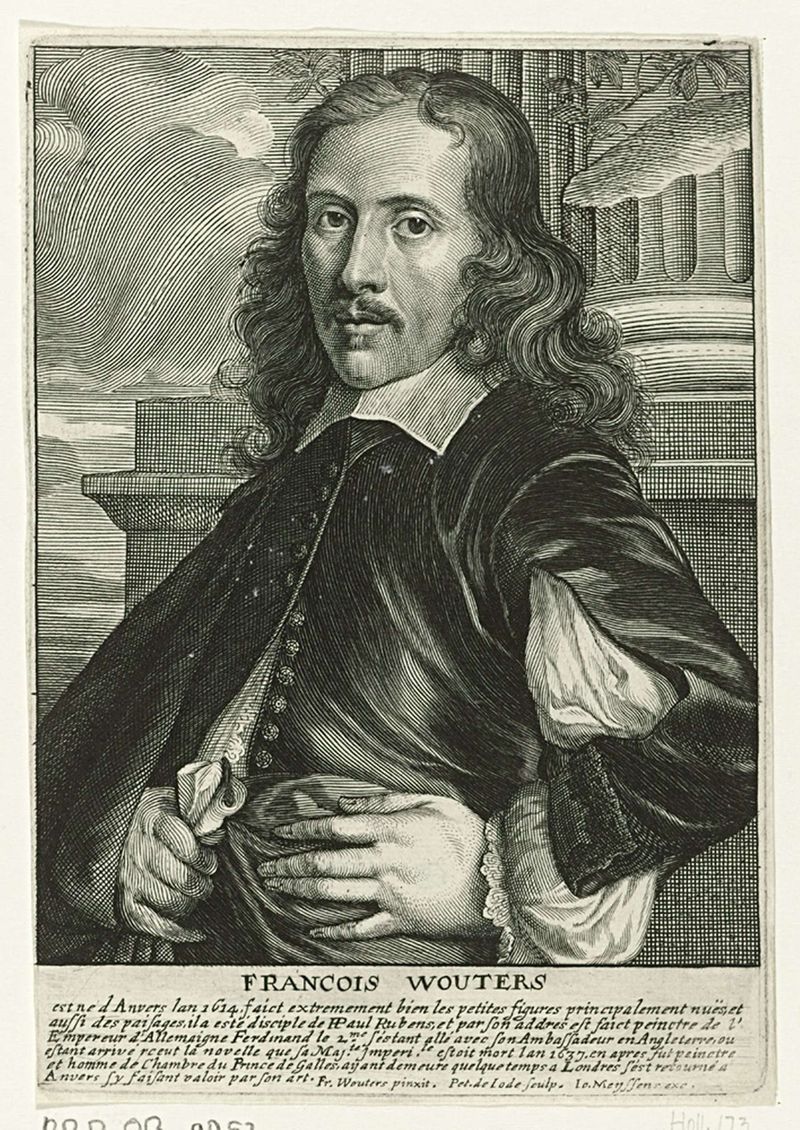
Portret van Frans Wouters
Pieter de Jode (II)
More Portrait Art
Browse all →
Las meninas
Diego Velázquez

Self-portrait with a Bandaged Ear and Pipe
Unidentified artist

Girl with a Pearl Earring
Johannes Vermeer

The Sampling Officials of the Amsterdam Drapers’ Guild, Known as ‘The Syndics’
Rembrandt van Rijn

The Hundred Guilder Print: the man seen on the back in the lower left corner
Rembrandt van Rijn

Portrait of Dr Gachet
Vincent van Gogh