
Portret van een vrouw — History & Facts
When did color learn to lie? In a world where we often mistake surface for substance, the allure of painted portraits can be both captivating and deceptive, revealing layers of fragility beneath their vibrant hues. Look to the right at the woman's hand, delicately poised against the fabric of her dress, the fingers almost floating above the canvas. Notice how the artist subtly captures the play of light across her garments, the soft strokes blending to create a sense of movement and life. Her gaze, directed slightly away, invites the viewer into a moment suspended in time, while the warm palette enhances the intricacies of her expression, evoking an intimacy that feels both immediate and elusive. Yet, the artwork conveys an underlying tension; the vibrancy of the colors contrasts sharply with the ephemeral quality of the subject’s presence.
The softness of the brushwork hints at vulnerability, as if the artist is aware that beauty itself is transient. Each detail—her wistful eyes, the gentle curves of her lips, the elaborate textures of her attire—whispers of stories untold, of ungraspable emotions woven into the fabric of her identity. This portrait was created around 1700 by an unknown artist, a time when portraiture flourished in Europe, reflecting nobility and the emerging middle class. The late Baroque period was characterized by its attention to detail and emotional expression, marking a significant evolution in artistic techniques.
The anonymity of the artist suggests a shared experience within common artistic practices and social norms of the time, inviting us to ponder the stories behind not just the painting, but the lives of those it seeks to immortalize.
More Artworks by Unknown Artist
Browse all →
Ridder, Dood en Duivel
Unknown Artist
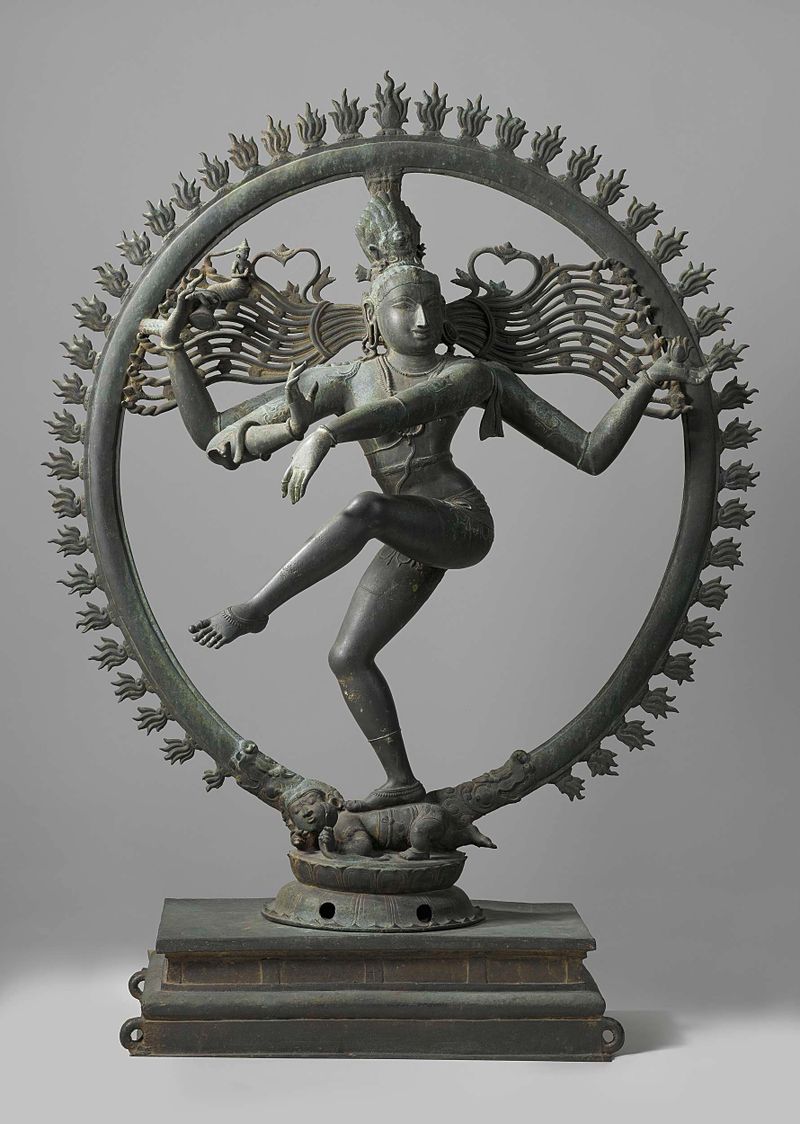
Shiva Nataraja
Unknown Artist
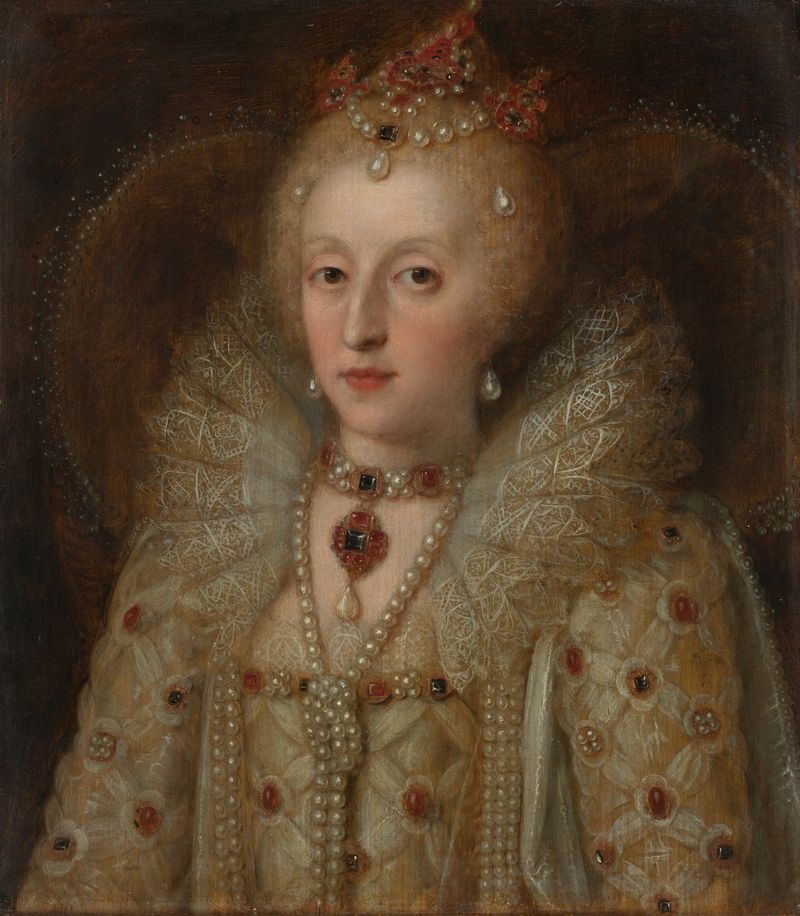
Portrait of Elizabeth I, Queen of England
Unknown Artist
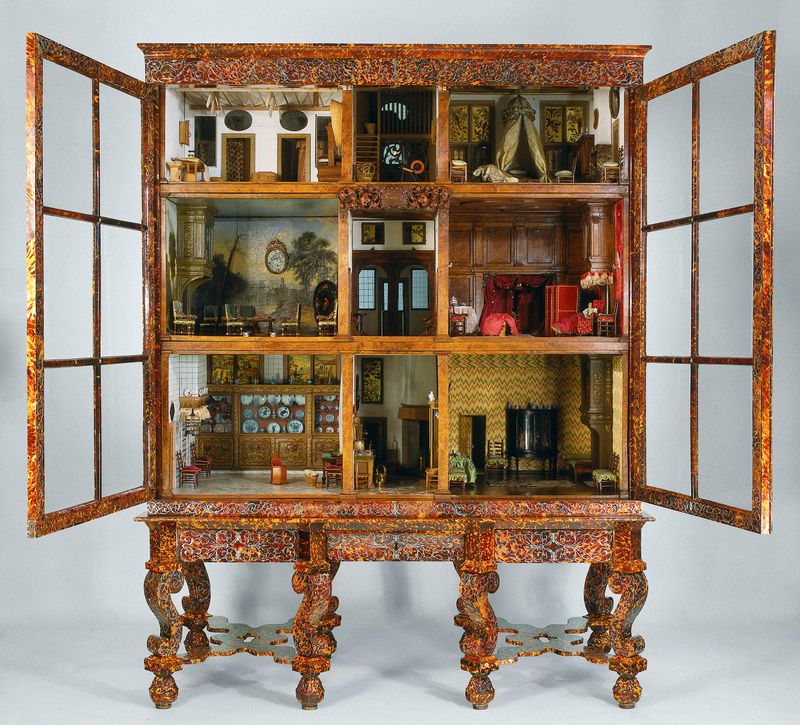
Dolls’ house of Petronella Oortman
Unknown Artist
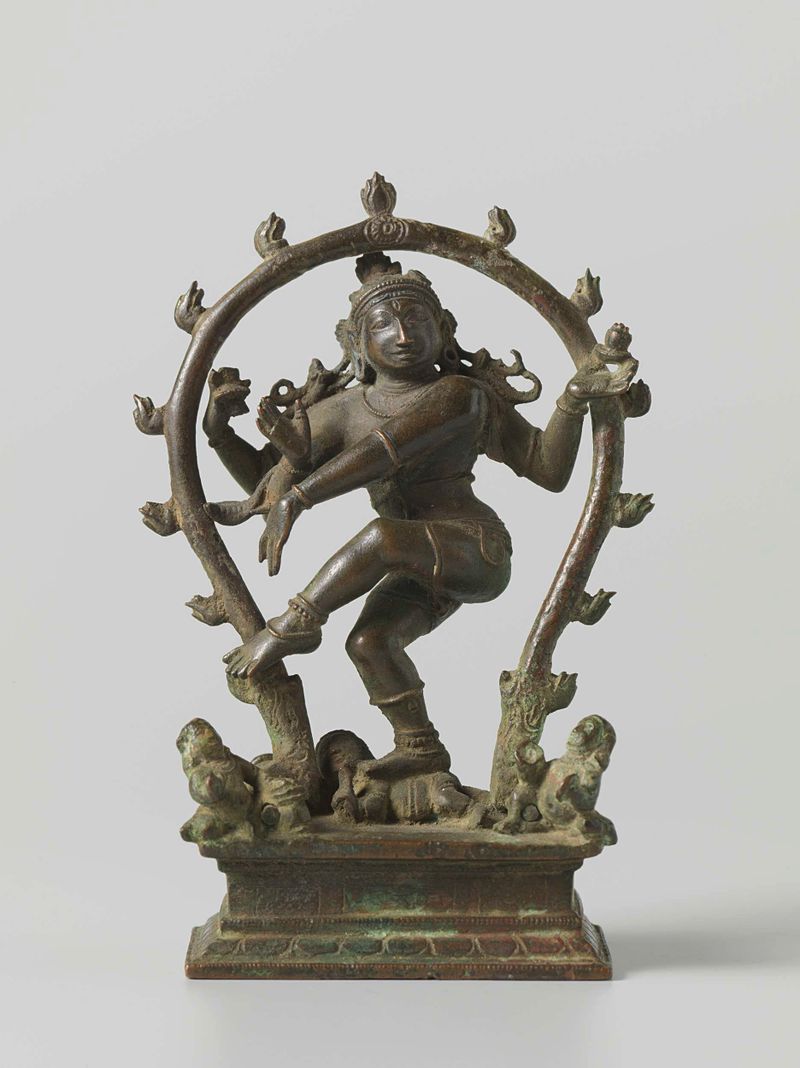
Shiva Nataraja
Unknown Artist

The Tale of Genji
Unknown Artist

The Tale of Genji
Unknown Artist

Cong
Unknown Artist
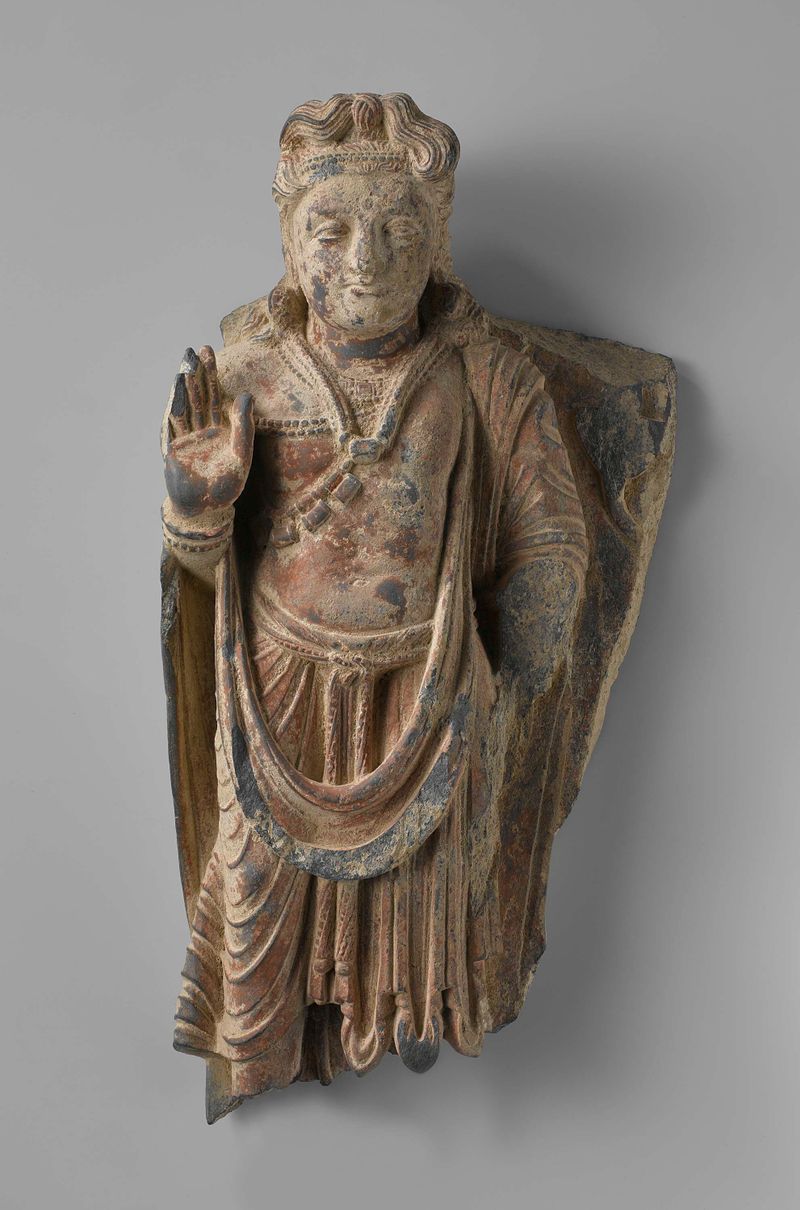
The bodhisattva Maitreya
Unknown Artist

Teabowl with a 'hare's fur' glaze
Unknown Artist
More Portrait Art
Browse all →
Las meninas
Diego Velázquez

Self-portrait with a Bandaged Ear and Pipe
Unidentified artist

Girl with a Pearl Earring
Johannes Vermeer

The Sampling Officials of the Amsterdam Drapers’ Guild, Known as ‘The Syndics’
Rembrandt van Rijn

The Hundred Guilder Print: the man seen on the back in the lower left corner
Rembrandt van Rijn

Portrait of Dr Gachet
Vincent van Gogh