
Portret van Theodore van Tulden — History & Facts
Can beauty exist without sorrow? In the haunting gaze of the subject, one wonders if within the grace lies a story of betrayal, concealed behind a façade of elegance. Look to the left at the sharp contours of Theodore van Tulden’s jawline, perfectly illuminated against the dark backdrop. The artist employs chiaroscuro to sculpt the features, creating a striking contrast that highlights the intensity of the subject’s expression. Notice how the deep reds of the cloak wrap around him, evoking both warmth and a hint of foreboding, as if the fabric itself carries whispers of hidden truths. As you observe the intricate detailing in the lace collar, consider the delicate balance between vulnerability and strength.
Van Tulden's posture suggests confidence, yet the slight furrow in his brow betrays a deeper emotional turmoil, hinting at the weight of unspoken grievances. The meticulous rendering of the fabric and skin illuminates the tension between public persona and private suffering, inviting the viewer to ponder what lies beneath the surface. Created between 1628 and 1670, this portrait emerged during a period of artistic exploration in the Northern Netherlands. Pieter de Jode (II) was navigating his career amidst the complexities of the baroque movement, where emotional depth and realism began to flourish.
Influenced by the tumultuous socio-political landscape of the time, the artist's work reflects not only personal expression but also the collective experiences of a society marked by conflict and betrayal.
More Artworks by Pieter de Jode (II)
Browse all →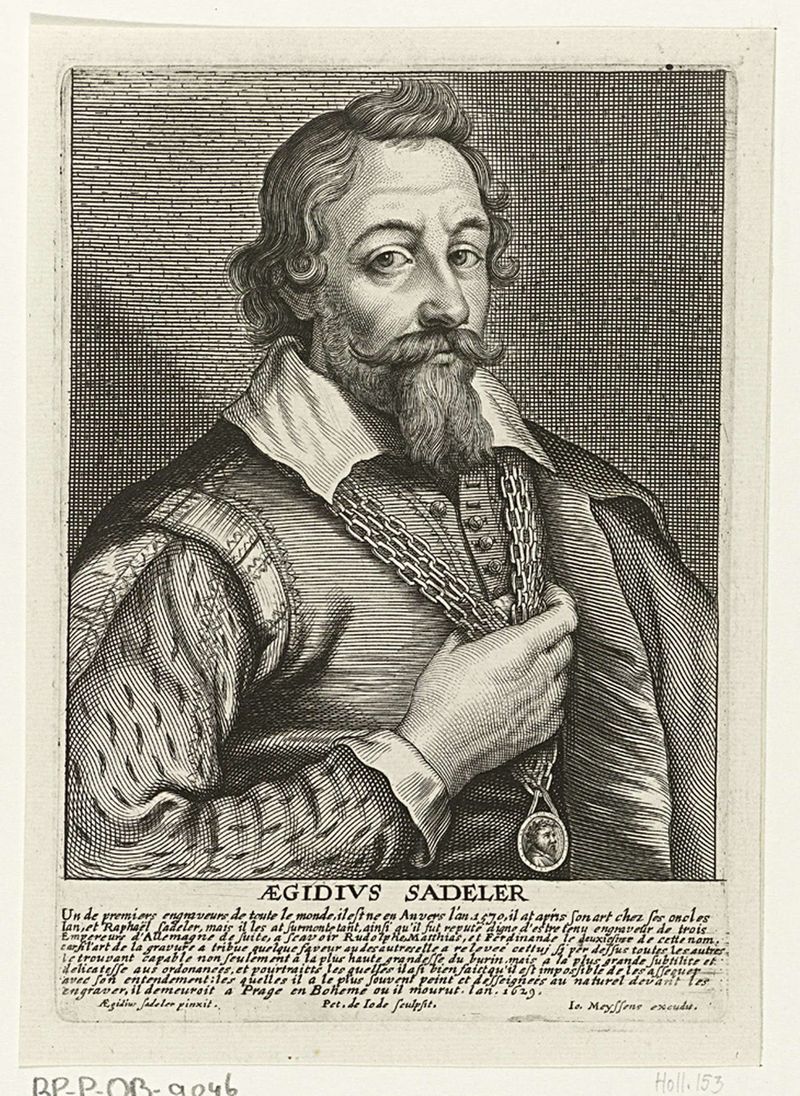
Portret van Aegidius Sadeler
Pieter de Jode (II)
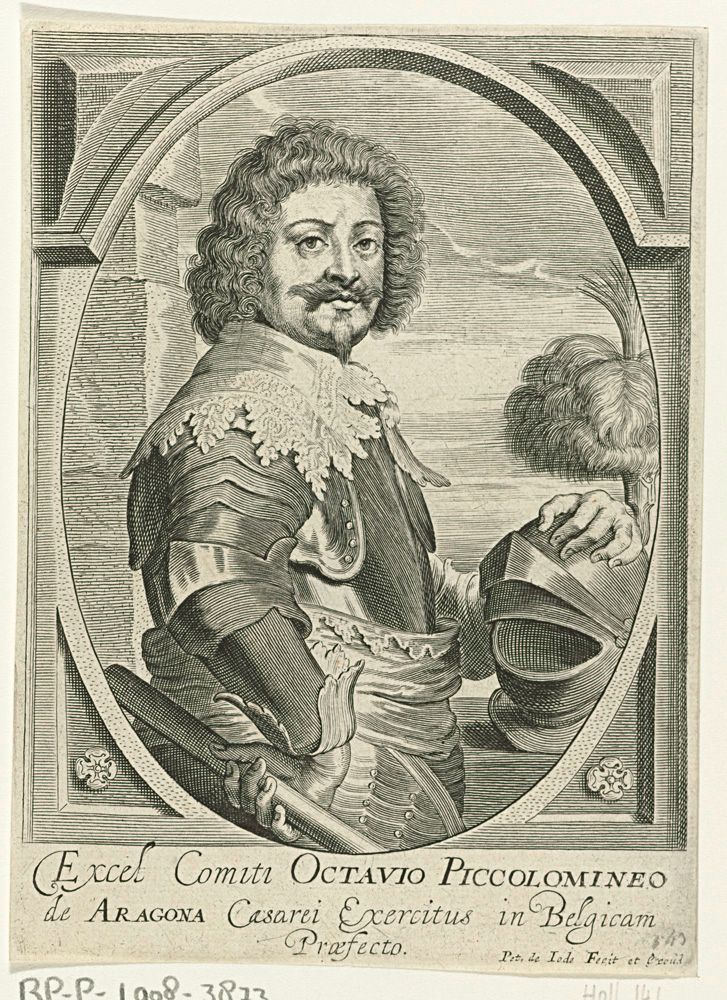
Portret van Ottavio Piccolomini
Pieter de Jode (II)
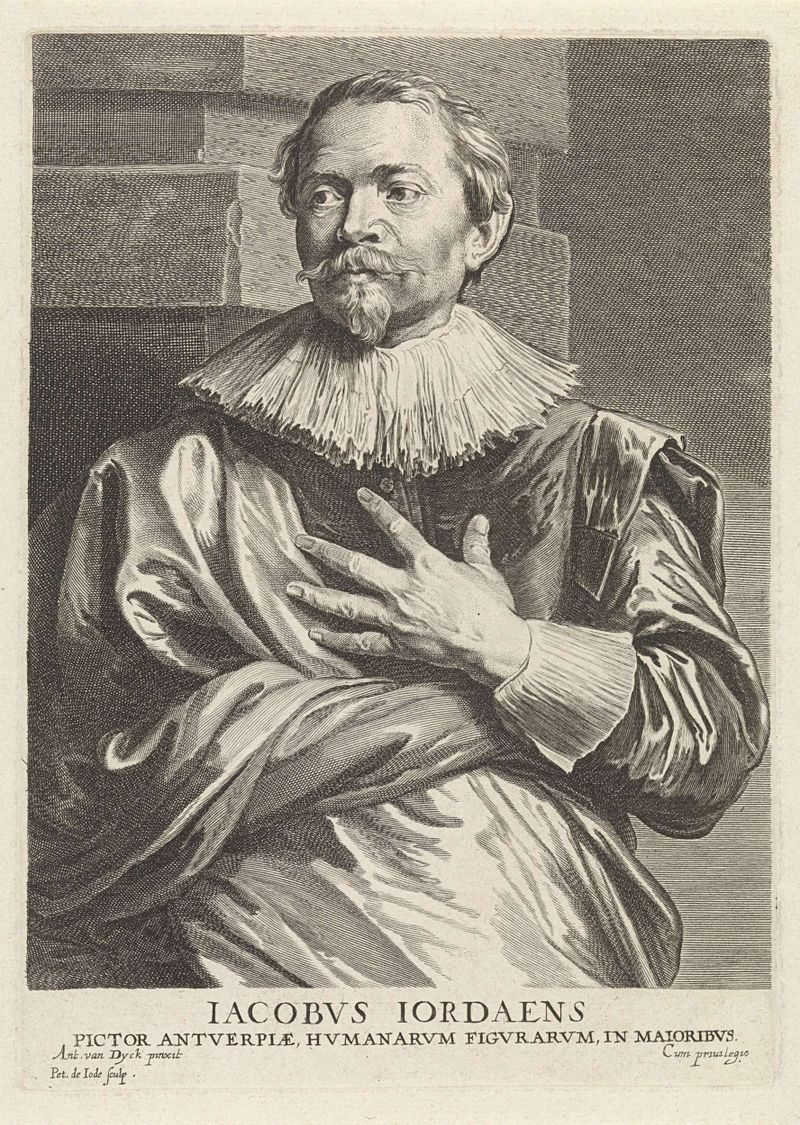
Portret van Jacques Jordaens
Pieter de Jode (II)

Busteportret van Karel Albert de Longueval
Pieter de Jode (II)
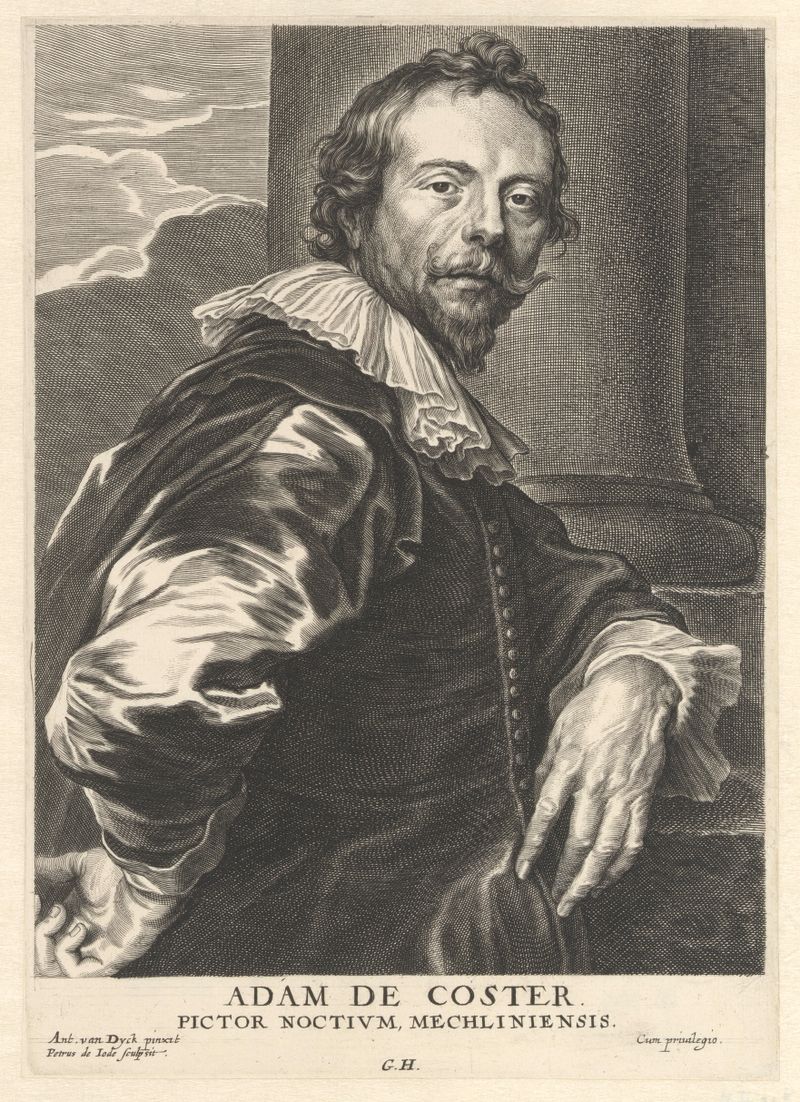
Portret van Adam de Coster
Pieter de Jode (II)

Portret van Aartshertog Leopold Willem van Oostenrijk
Pieter de Jode (II)
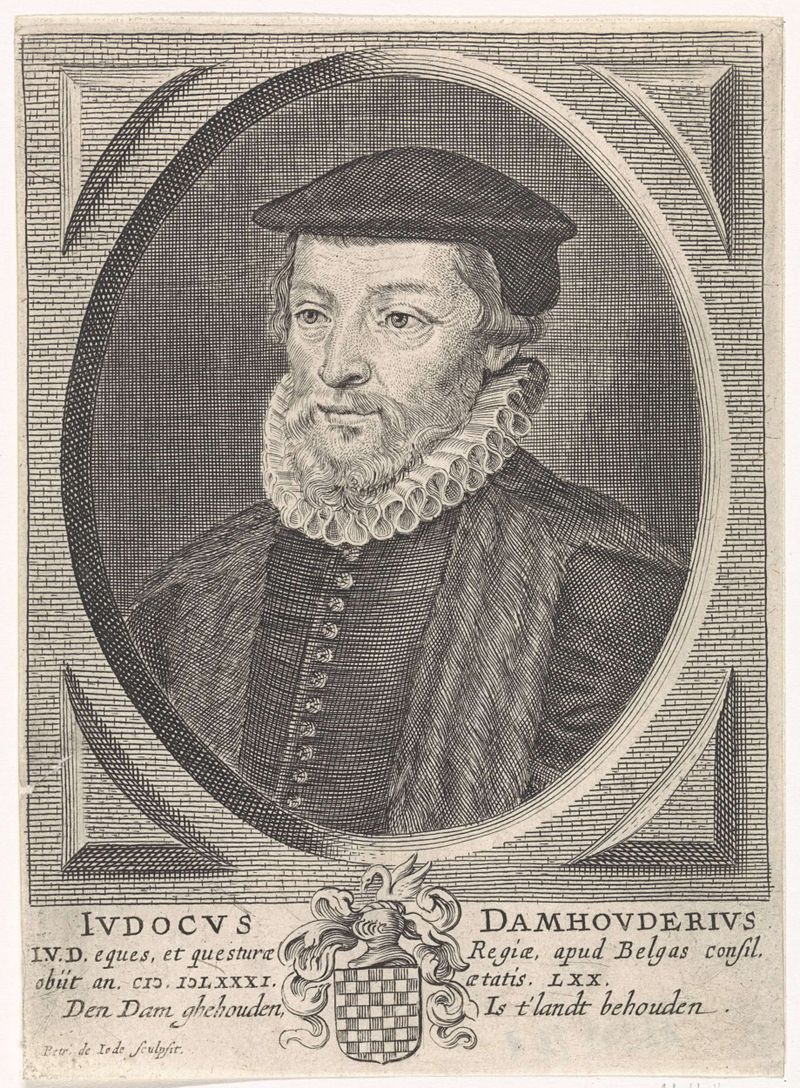
Portret van Joost de Damhouder
Pieter de Jode (II)
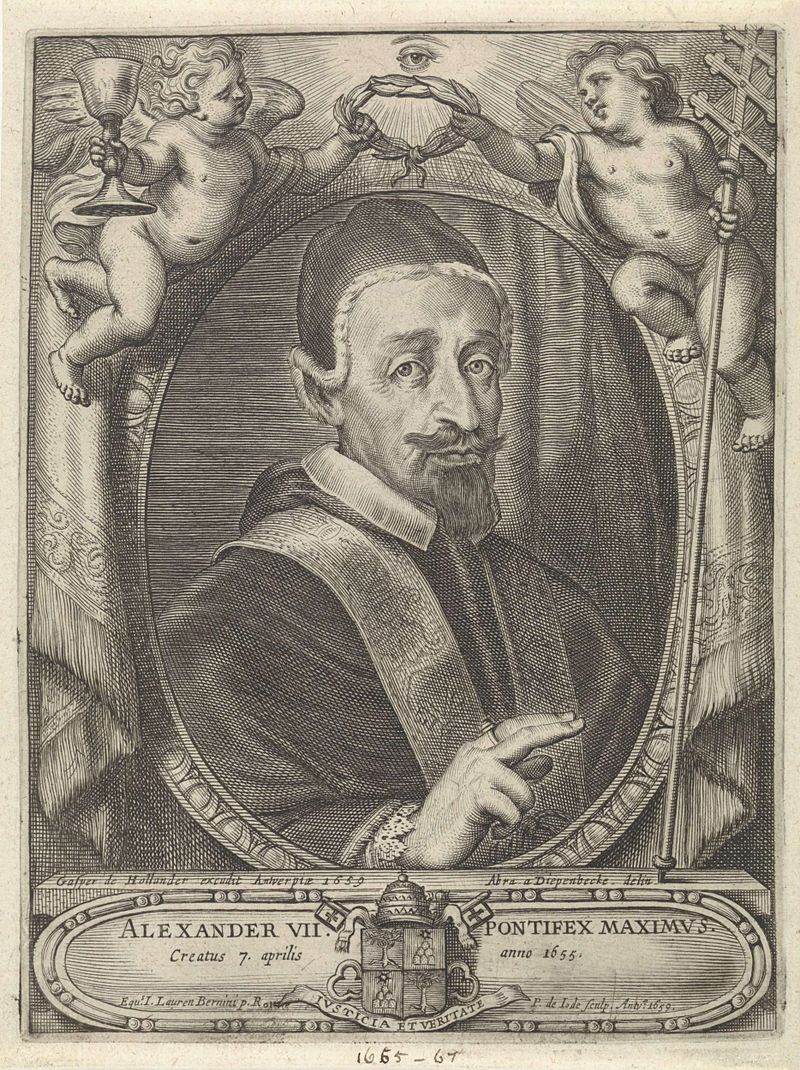
Portret van paus Alexander VII
Pieter de Jode (II)
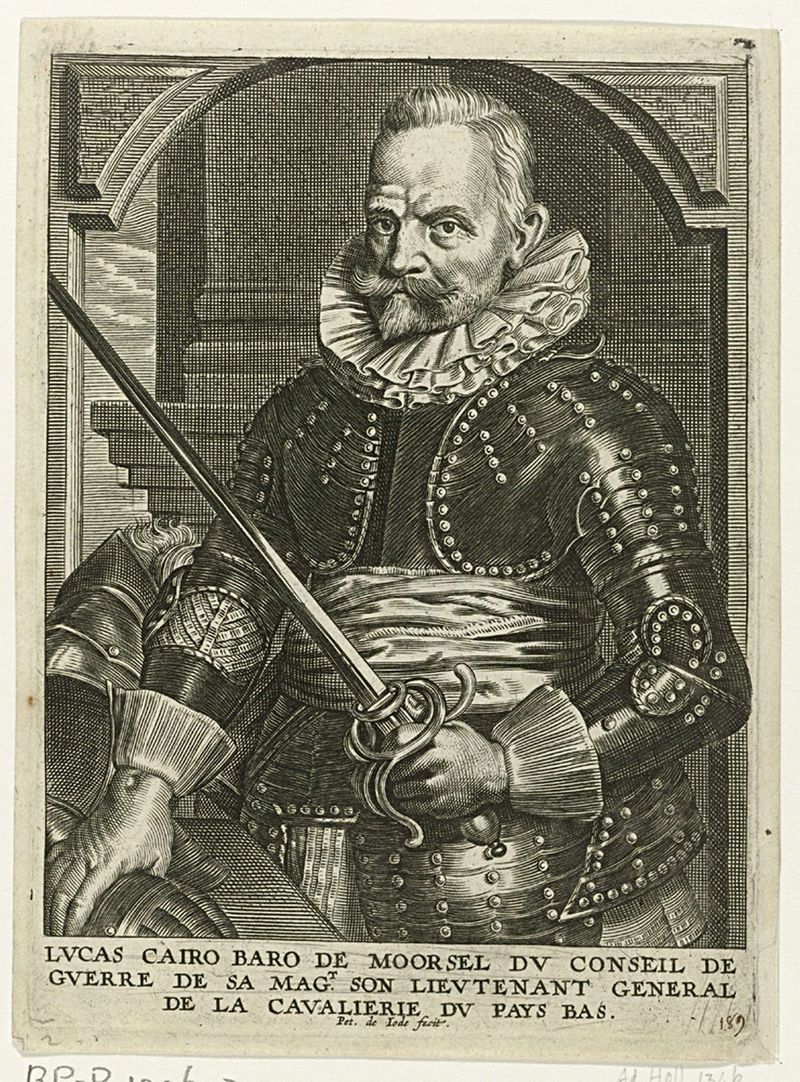
Portret van Lucas Cayro, baron van Moorsel
Pieter de Jode (II)
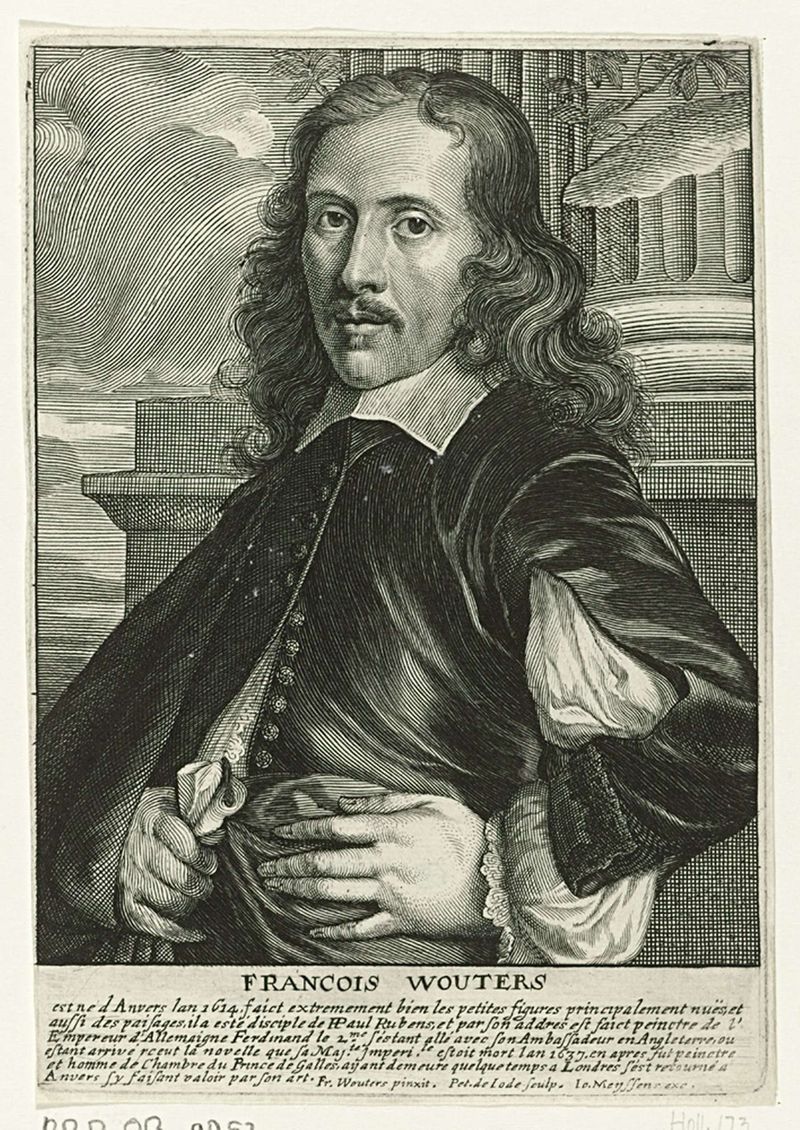
Portret van Frans Wouters
Pieter de Jode (II)
More Portrait Art
Browse all →
Las meninas
Diego Velázquez

Self-portrait with a Bandaged Ear and Pipe
Unidentified artist

Girl with a Pearl Earring
Johannes Vermeer

The Sampling Officials of the Amsterdam Drapers’ Guild, Known as ‘The Syndics’
Rembrandt van Rijn

The Hundred Guilder Print: the man seen on the back in the lower left corner
Rembrandt van Rijn

Portrait of Dr Gachet
Vincent van Gogh