
Première source du Rhein posterieur — History & Facts
In this work, the void speaks louder than any figure could. Shadows stretch across the canvas, inviting contemplation while simultaneously evoking an unsettling sense of absence. Focus on the center of the composition where a stark contrast defines the empty space. The muted palette of earth tones envelops the scene, leading the eye to linger on the delicate interplay between light and dark.
Notice how the brushwork creates a sense of texture, suggesting a landscape not just seen but felt, as if the air holds its breath. The subtle variations in color serve to heighten the emotional weight, drawing you deeper into an unspoken narrative. Here, the void becomes a character in its own right, representing loss, longing, or perhaps introspection. The absence of figures amplifies the emotional tension, prompting viewers to fill the silence with their interpretations.
This stark simplicity forces an encounter with the self, as the viewer grapples with what is unrepresented—what lies beneath the surface of existence. Created in an uncertain time, Johann Ludwig Bleuler painted this piece during the late 19th century, a period marked by personal and societal upheaval. While little is documented about this specific work, Bleuler was navigating the artistic movements of his time, particularly the rise of emotional expressionism. This piece stands as a testament to his understanding of the profound impact of emptiness, reflecting both the artist's inner world and the collective consciousness of an era yearning for deeper meaning.
More Artworks by Johann Ludwig Bleuler
Browse all →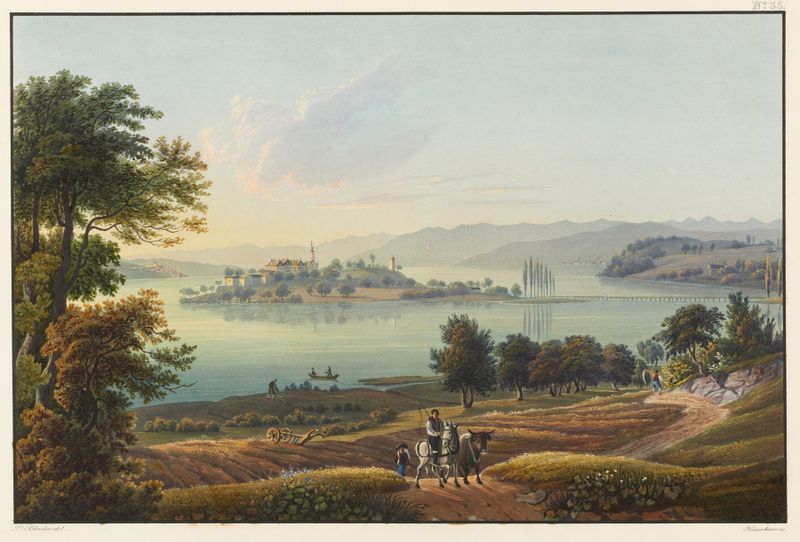
Vue de l’Jsle de Meynau dans le lac de Constance
Johann Ludwig Bleuler
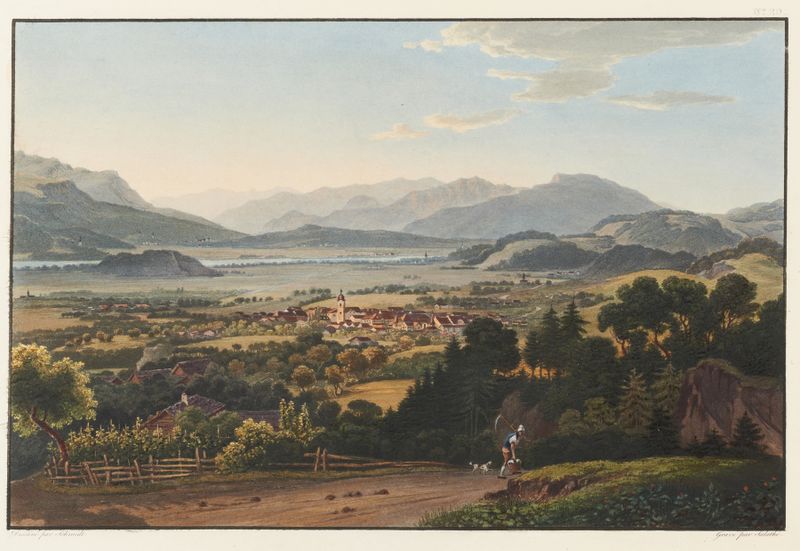
La petite ville d’Altstatten dans la valée du Rhin, Canton de St. Gall
Johann Ludwig Bleuler
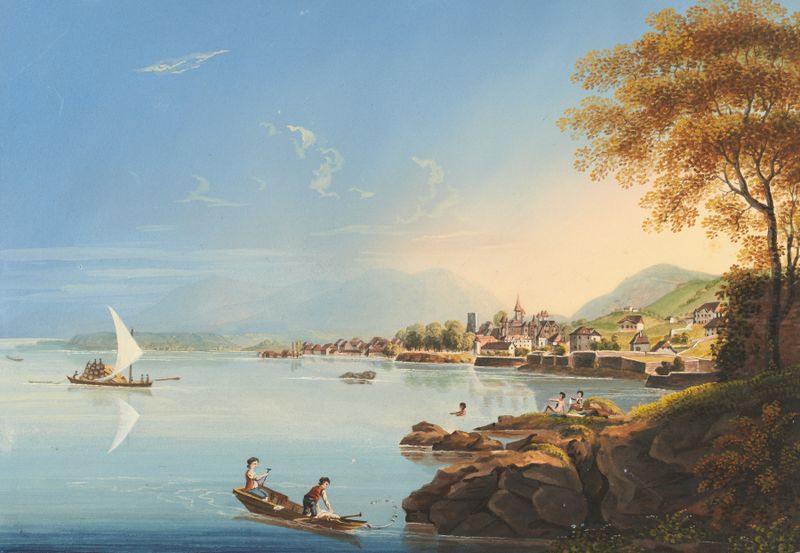
Vue de la ville de Neuchatel en Suisse
Johann Ludwig Bleuler
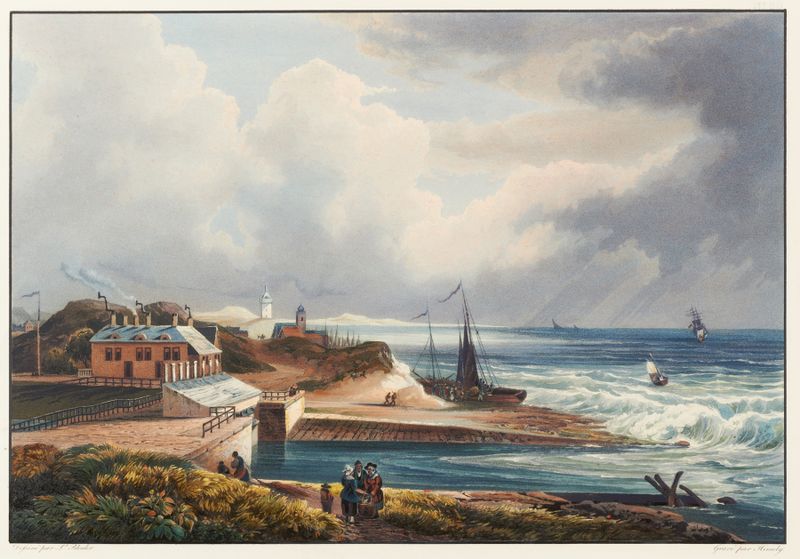
Vue de Katwyk et de l’embochure du Rhin, dans la Mer du Nord
Johann Ludwig Bleuler
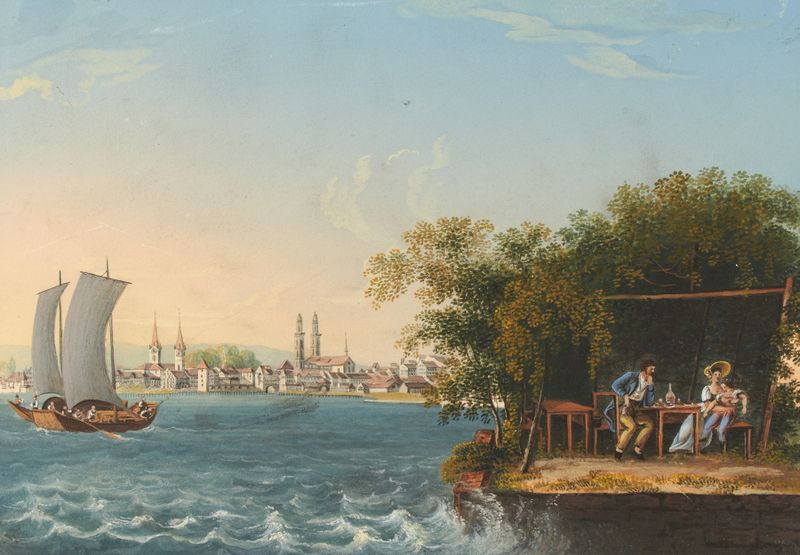
Vue de la ville de Zurich
Johann Ludwig Bleuler
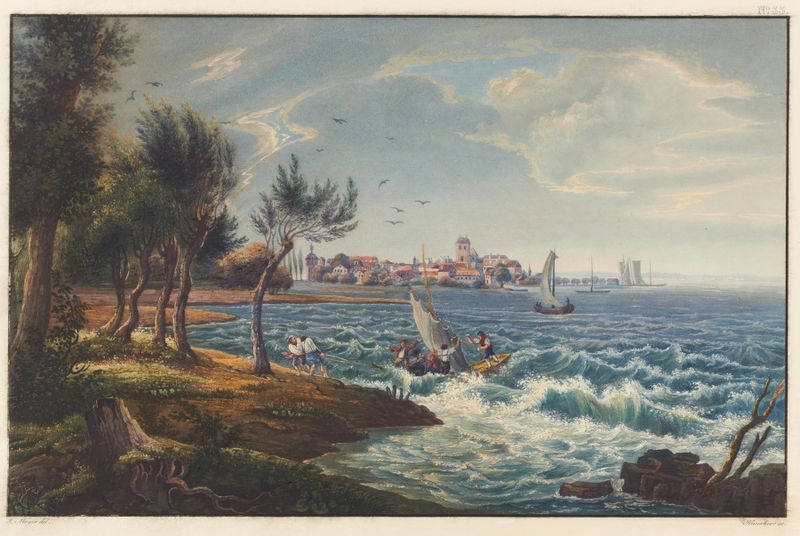
Vue de la ville d’Arbon et du lac de Constance
Johann Ludwig Bleuler
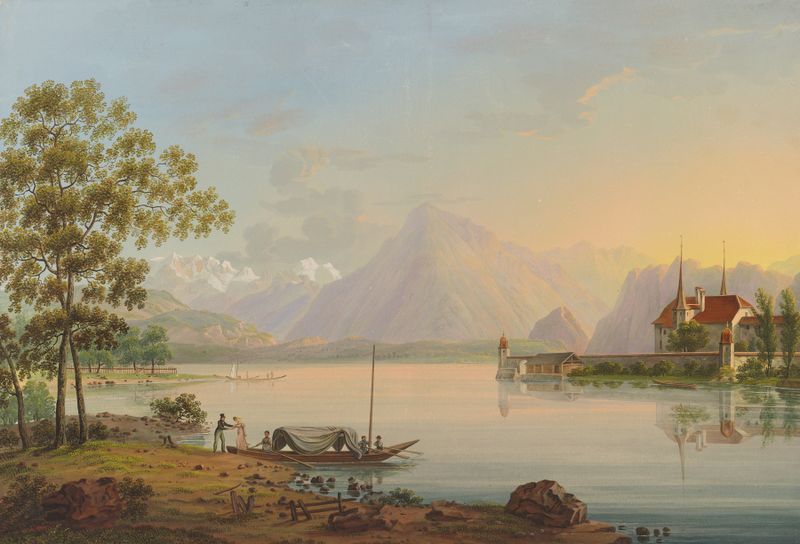
Thoun am Thounersee
Johann Ludwig Bleuler
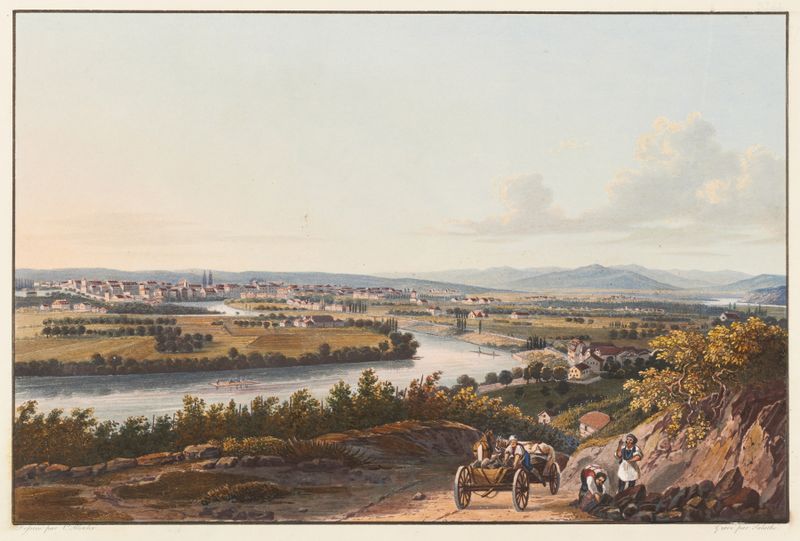
Vue de la ville de Bâle et de ses environs
Johann Ludwig Bleuler
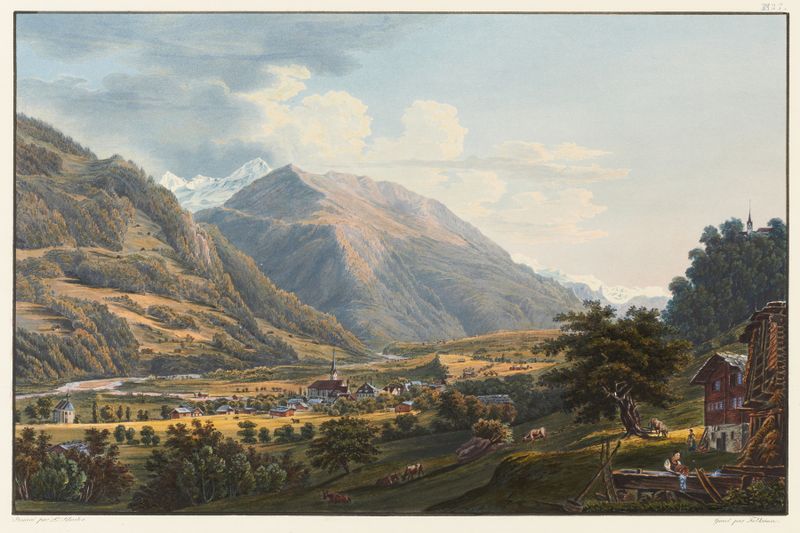
Vue du village de Trons, historique au sujet de la confederation du Canton des Grisons
Johann Ludwig Bleuler
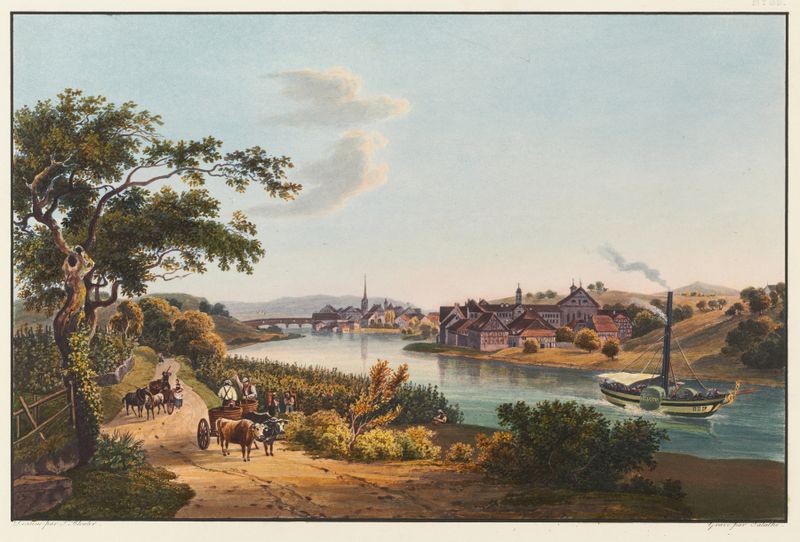
Vue de la ville de Diessenhofen et du Couvent de Catherinenthal
Johann Ludwig Bleuler





