Prinsengracht — History & Facts
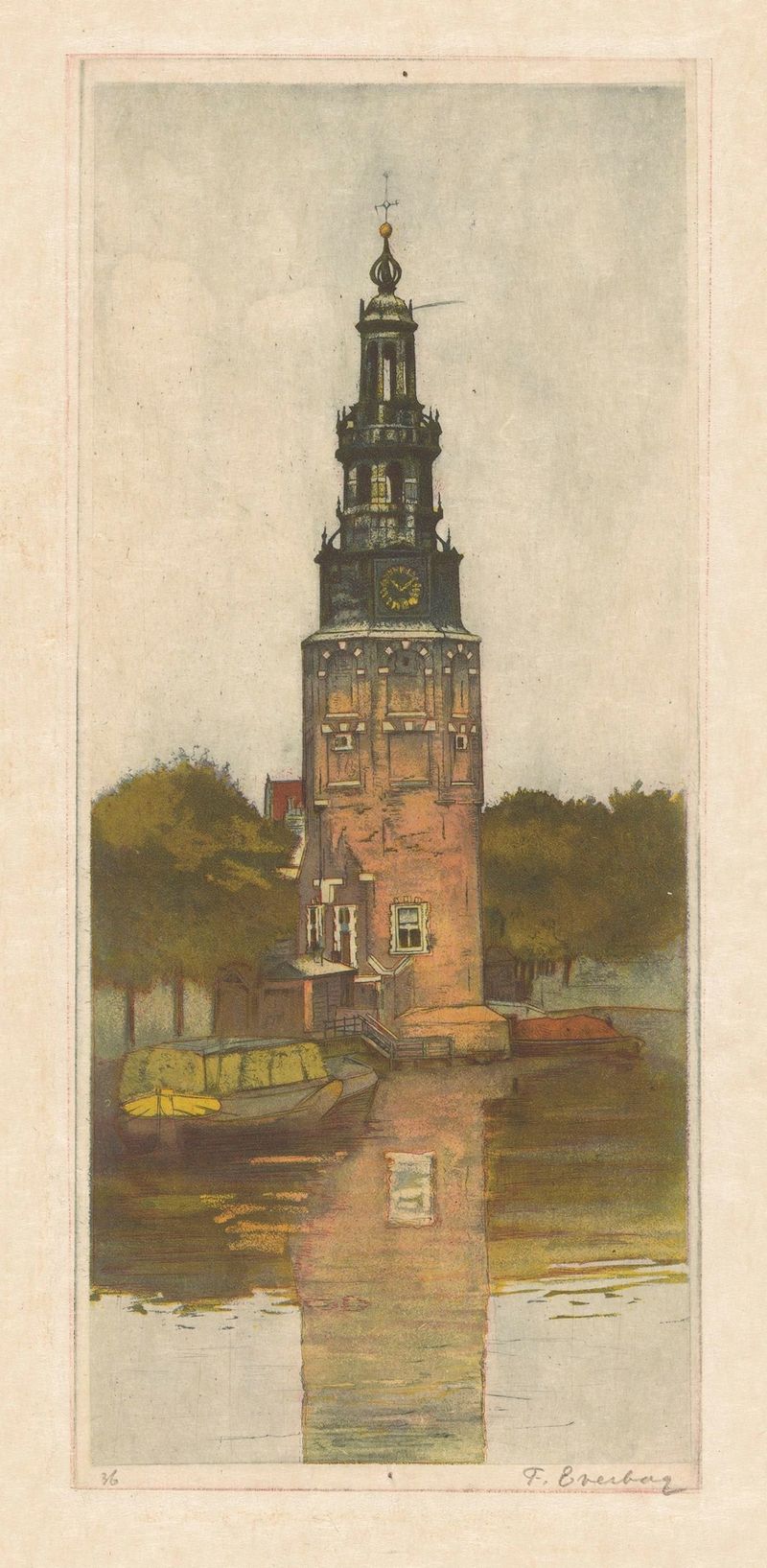
In the stillness of a moment caught in time, an unseen equilibrium unfolds, inviting us to explore the delicate balance between nature and architecture, solitude and connection. Look to the left at the soft reflections dancing on the surface of the water, where the gentle ripples mirror the muted colors of the surrounding buildings. Notice how the painter’s meticulous brushwork creates an atmosphere steeped in tranquility, while the warm, earthy tones envelop the scene like a warm embrace. The slant of light, filtering through the trees, casts a tranquil glow that invites the viewer to linger longer than necessary, drawing one into the serene world of the Prinsengracht canal. Beneath the surface, a subtle tension simmers between the natural and the man-made.
The juxtaposition of the solid, stoic buildings against the fluidity of the water hints at the transient nature of life itself. Each stroke evokes a sense of calm yet stirs an awareness of fragility — the balance is precarious, echoing the emotional landscape of a world on the brink of transformation during the tumultuous times of the early 1940s. Created in 1940, the work reflects Frans Everbag’s experiences as an artist in occupied Amsterdam. It was a time marked by both personal struggle and broader societal upheaval, as the art world grappled with the encroaching shadows of war.
In this context, the artist sought solace and resolution in the serene beauty of his surroundings, immortalizing a moment of balance amidst chaos.