
Processiekruis — History & Facts
In Processiekruis, the essence of decay intertwines with the reverence of remembrance, inviting contemplation on the ephemeral nature of existence. Focus on the somber hues that dominate the canvas, where muted browns and grays evoke a solemn atmosphere. The crucifixion scene draws your gaze at the center, commanding attention through its stark yet poignant imagery. Notice the intricate details of the weathered wood, each crack and splinter telling a story of endurance against the ravages of time, while the dim light dances across the figures, hinting at a divine presence amidst impending decay. The arrangement of the figures offers a powerful contrast: the solemnity of suffering is juxtaposed with the serenity of faith.
The lifeless body hangs in stark relief against the shadowy background, evoking both despair and reverence. Each onlooker's posture speaks volumes — some bend in grief, while others stand resolute, embodying the tension between despair and hope, reinforcing the painting’s meditation on mortality and the passage of time. Created in a time of profound change during the late Renaissance and early Baroque period, this artwork reflects the spiritual turmoil and shifting cultural landscapes of its era. The artist, whose identity remains elusive, worked in a context where religion profoundly influenced artistic expression, mirroring societal anxieties and the persistent grappling with life’s transience.
More Artworks by Unknown Artist
Browse all →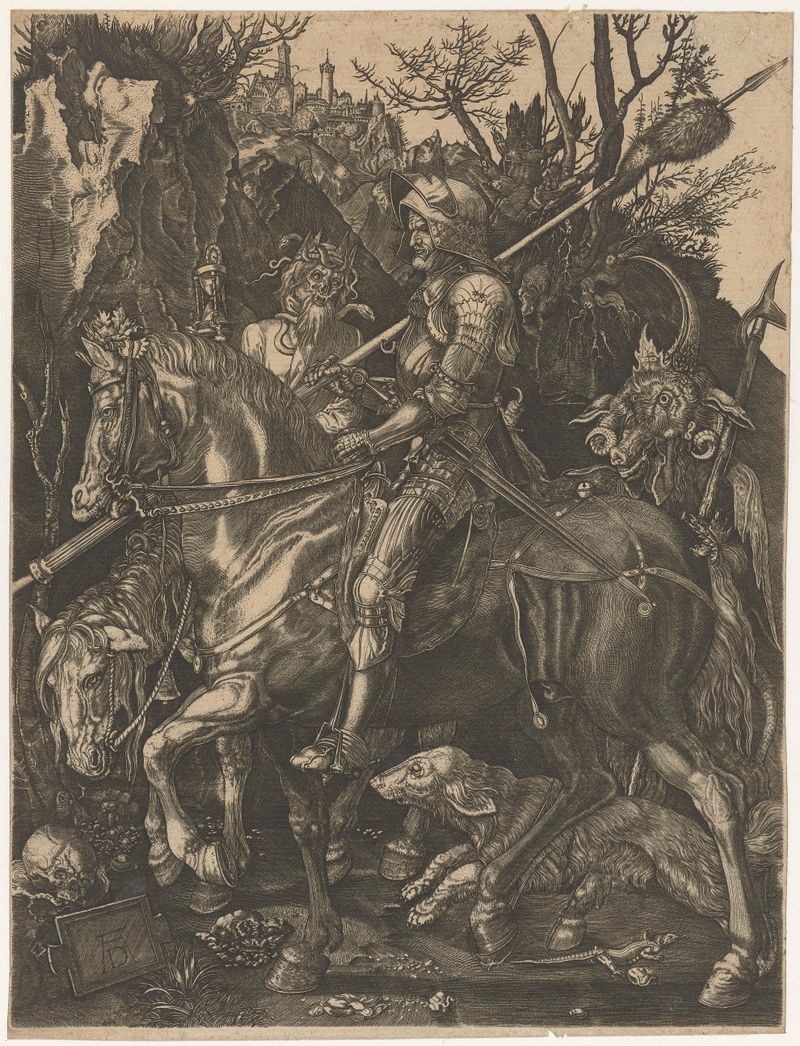
Ridder, Dood en Duivel
Unknown Artist
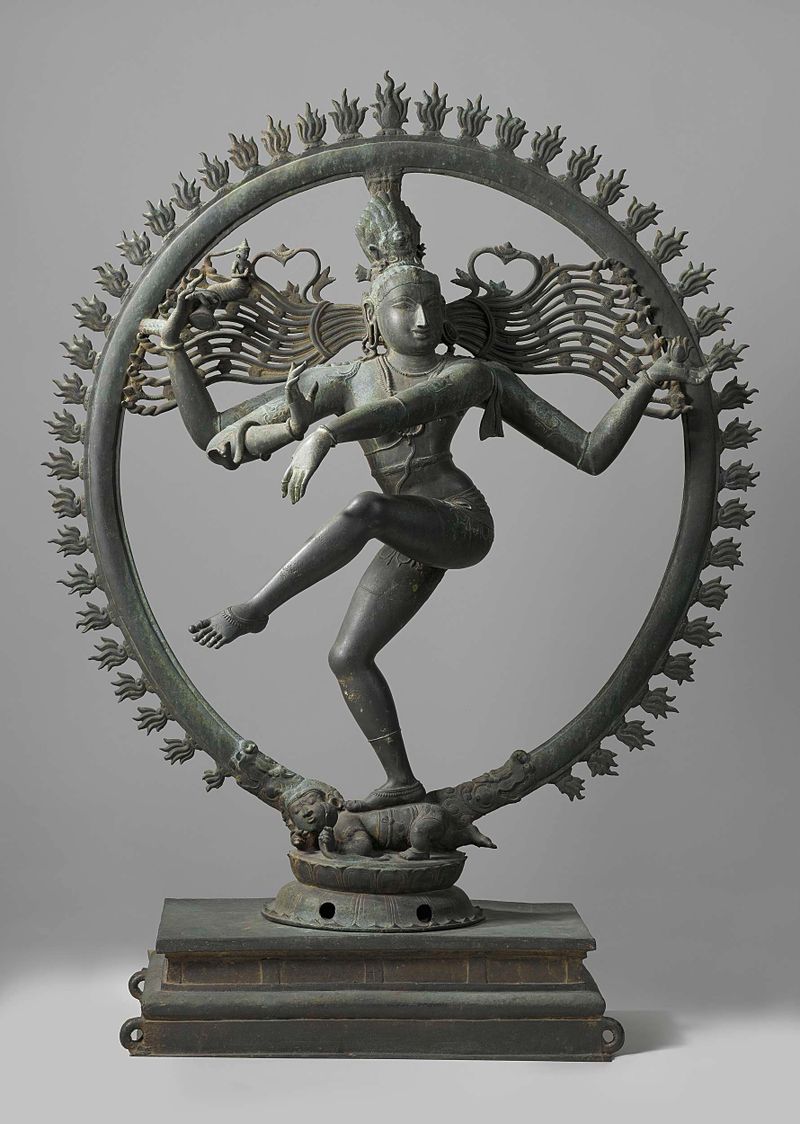
Shiva Nataraja
Unknown Artist
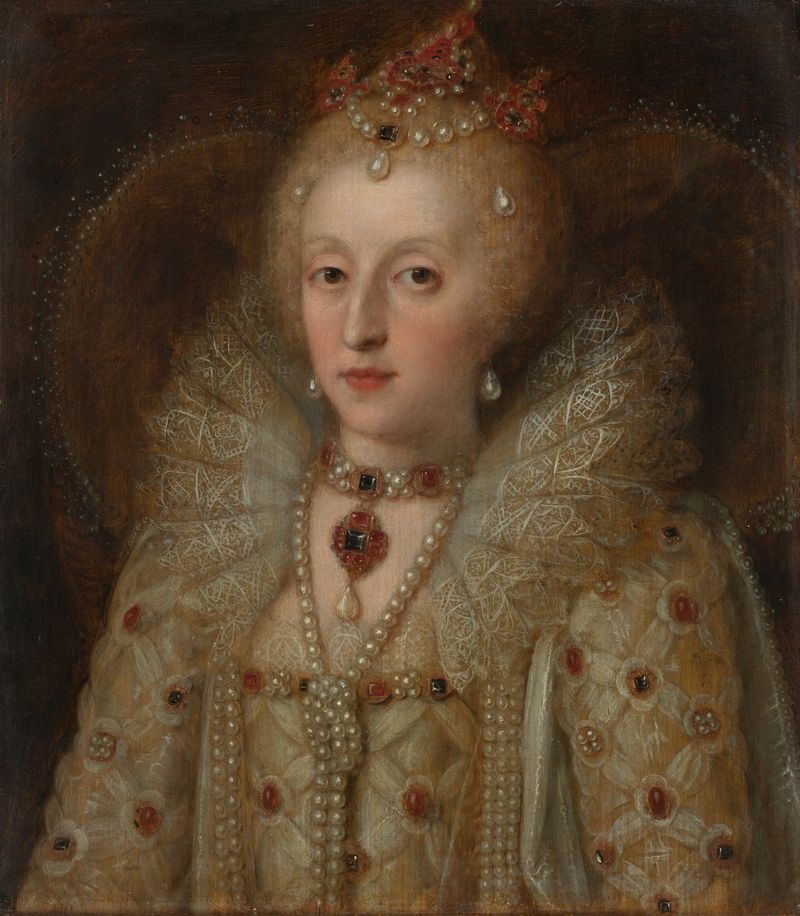
Portrait of Elizabeth I, Queen of England
Unknown Artist
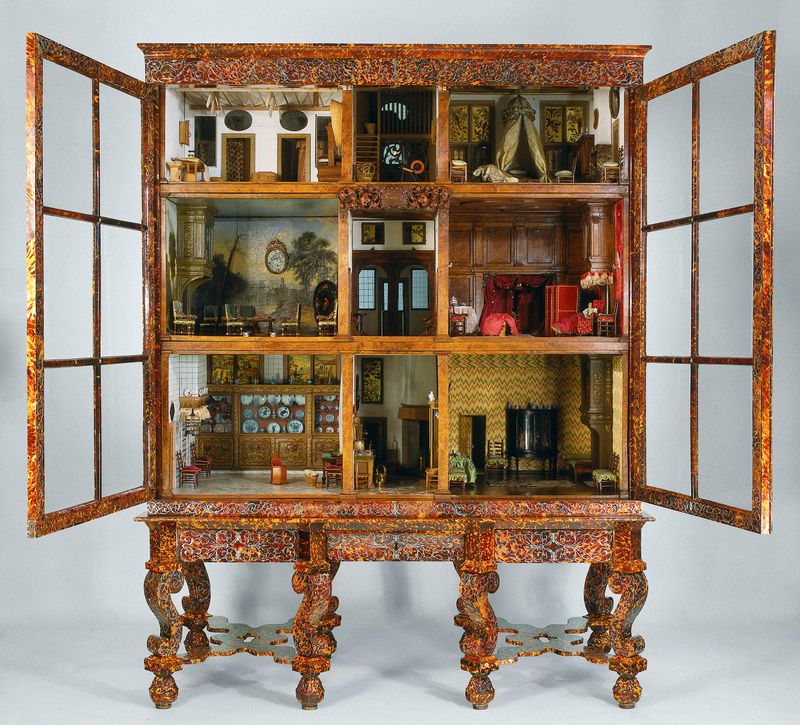
Dolls’ house of Petronella Oortman
Unknown Artist
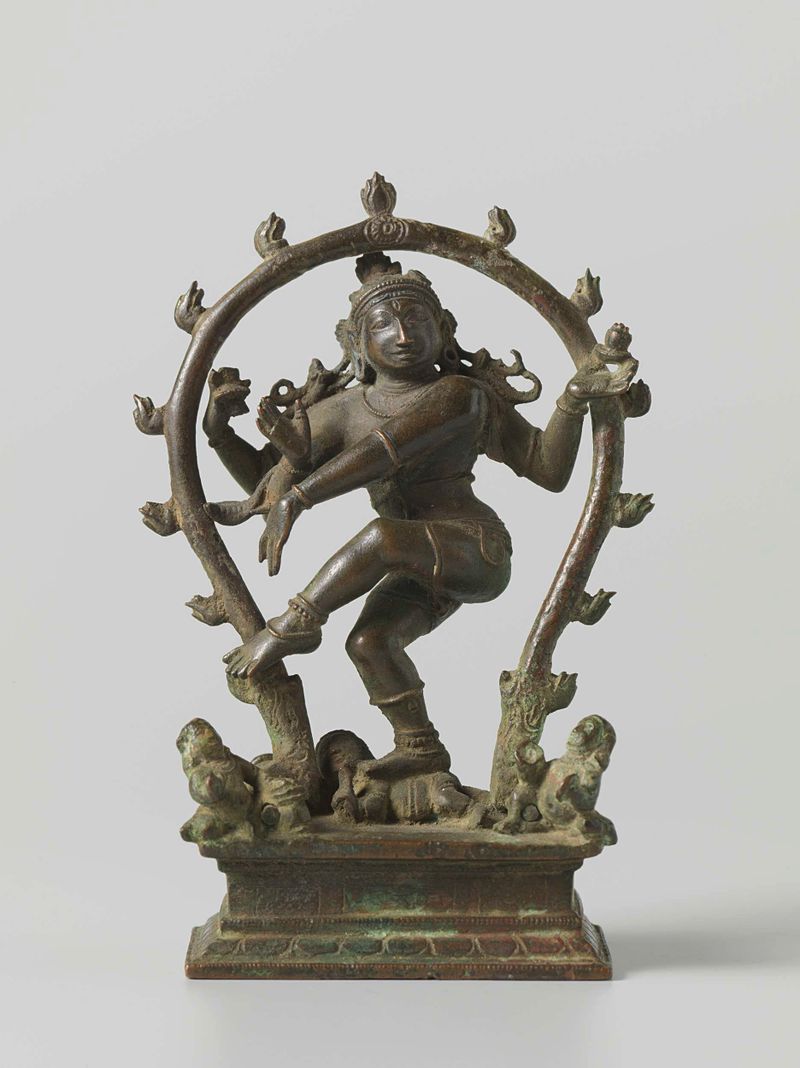
Shiva Nataraja
Unknown Artist

The Tale of Genji
Unknown Artist

The Tale of Genji
Unknown Artist

Cong
Unknown Artist
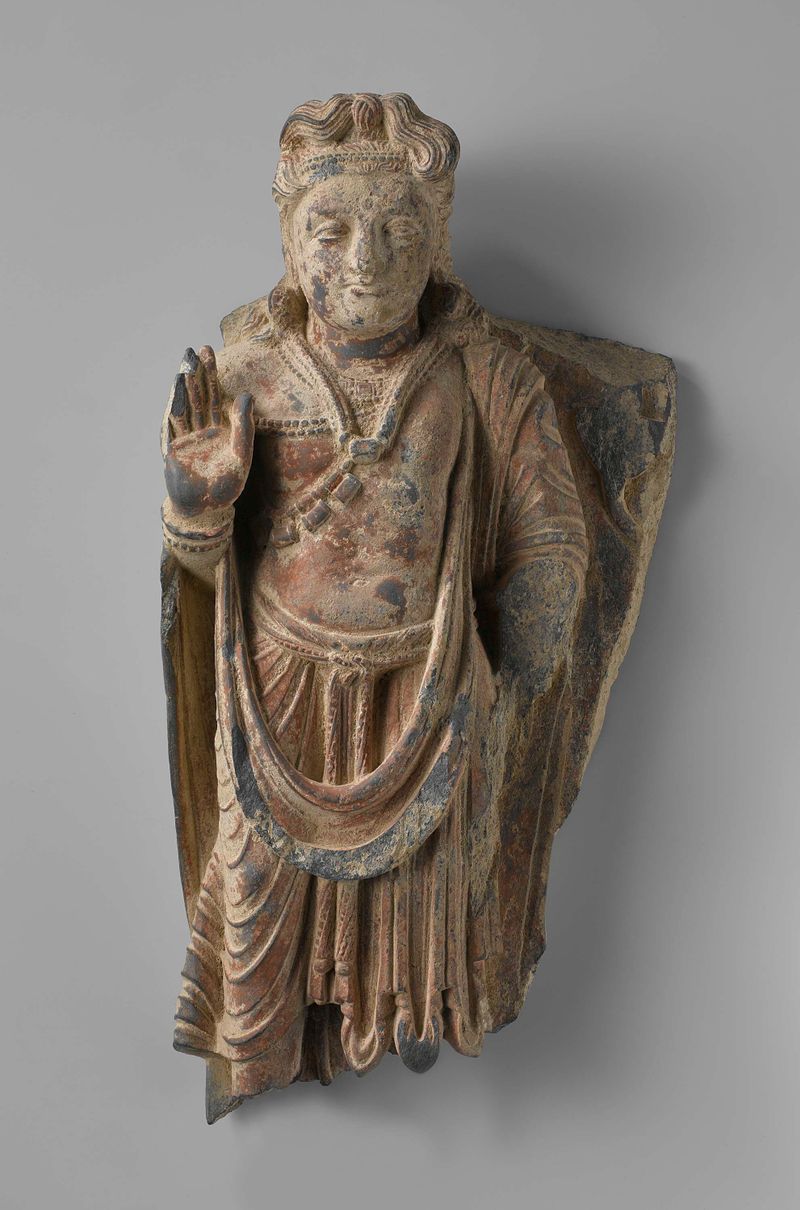
The bodhisattva Maitreya
Unknown Artist

Teabowl with a 'hare's fur' glaze
Unknown Artist
More Religious Art
Browse all →
The Return of the Prodigal Son
Rembrandt van Rijn

The Garden of Earthly Delights
El Bosco

Count Orgaz’ funeral
El Greco

The Hundred Guilder Print: the central piece with Christ preaching, the plate arched
Rembrandt van Rijn

The Descent from the Cross
Rogier van der Weyden

The return of the prodigal son
Rembrandt van Rijn