
Raadhuis — History & Facts
Is this a mirror — or a memory? Raadhuis invites us to ponder the nature of transformation, blurring the lines between reflection and recollection, presence and absence. First, look to the center of the canvas, where the architectural form creates a harmonious balance between light and shadow. The crisp lines of the facade contrast beautifully with the softer textures of the surrounding environment. Notice how the artist plays with color — muted earth tones punctuated by vibrant highlights — to breathe life into the structure, suggesting it is not merely a building but a vessel of stories waiting to unfold. On closer inspection, small details emerge that deepen the narrative.
The windows, partially obscured, seem to echo the thoughts and lives of those who once occupied the space. A striking interplay of light hints at both the vibrancy of past gatherings and the silence of abandonment, capturing the essence of change over time. The duality of presence and absence resonates throughout the work, urging viewers to reflect on their own connections to places imbued with memory. During the 1940s to 1960s, the artist was engaged in a profound exploration of identity and memory within a rapidly changing world.
As societal transformations unfolded, Brobbel's focus on architecture reflected a search for permanence amidst impermanence. In this period of introspection and innovation in the art community, he sought to encapsulate the essence of transition, making Raadhuis a poignant symbol of both loss and resilience.
More Artworks by Bob Brobbel
Browse all →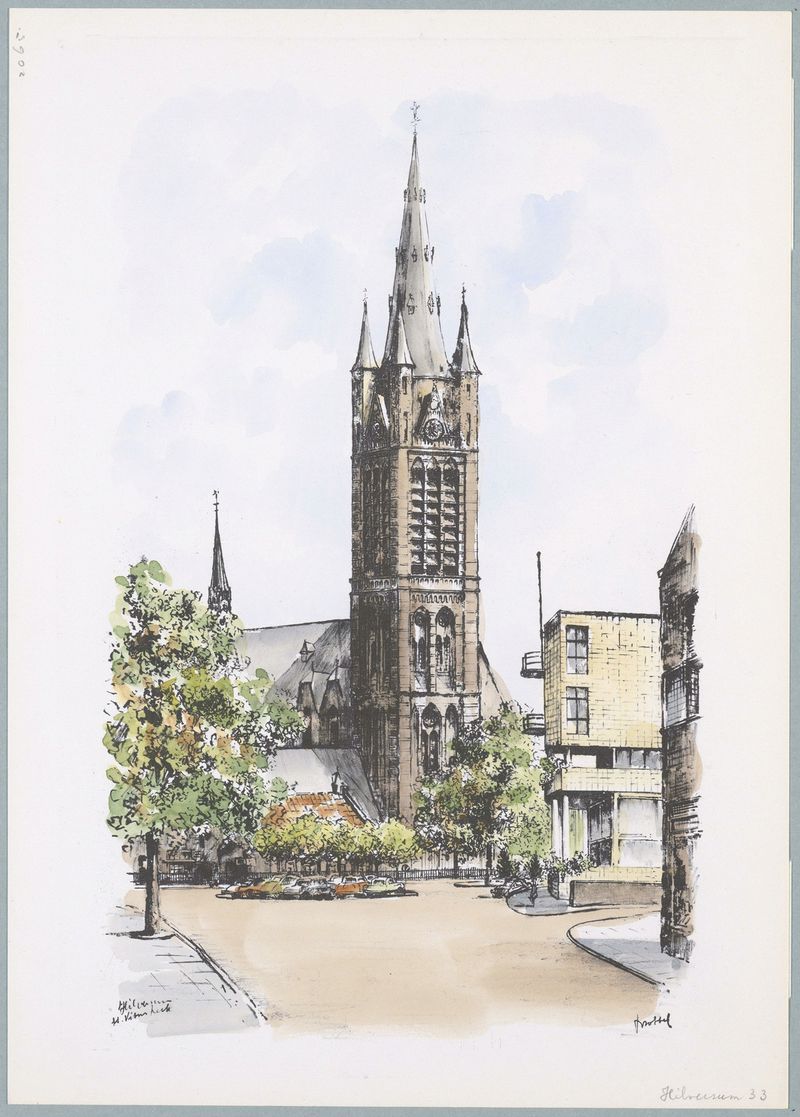
Sint Vitus kerk met hotel
Bob Brobbel
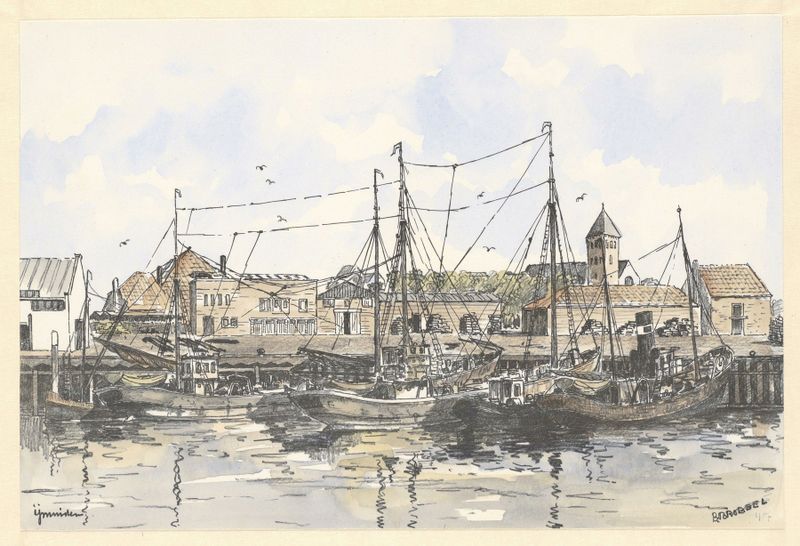
De haven van IJmuiden, met rechts op de achtergrond het Ned. Herv. kerkje (de in 1880 gebouwde kerk is in 1968 afgebroken)
Bob Brobbel

De enige in Noord-Holland bewaard gebleven standerdmolen
Bob Brobbel

Gezicht op Ouderkerk over de Amstel vanaf de Amstelzijde
Bob Brobbel

Ned. Herv. kerk
Bob Brobbel

De Kerkbrink met de oude Hervormde Kerk
Bob Brobbel

Kerk en omgeving
Bob Brobbel

De Kerkbrink met de later afgebrande oude Hervormde Kerk
Bob Brobbel
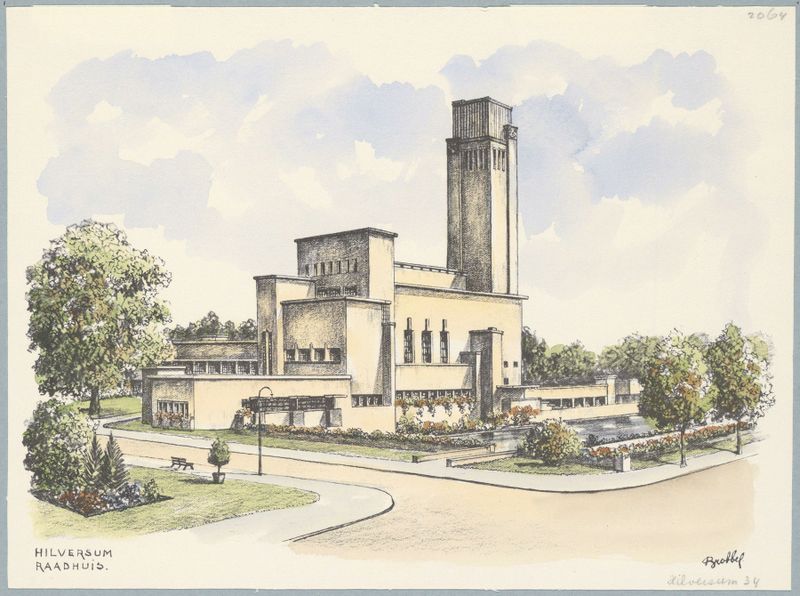
Gezicht op het Raadhuis van Hilversum
Bob Brobbel

St. Nicolaaskerk
Bob Brobbel
More Architecture Art
Browse all →
The statue of Liberty
Frédéric Auguste Bartholdi

View of Houses in Delft, Known as ‘The Little Street’
Johannes Vermeer

View of Houses in Delft, Known as ‘The Little Street’
Johannes Vermeer

The Cathedral in Rouen. The portal, Grey Weather
Claude Monet

The yellow house
Vincent van Gogh

The Church in Auvers-sur-Oise, View from the Chevet
Vincent van Gogh