Rack Picture for Dr. Nones — History & Facts
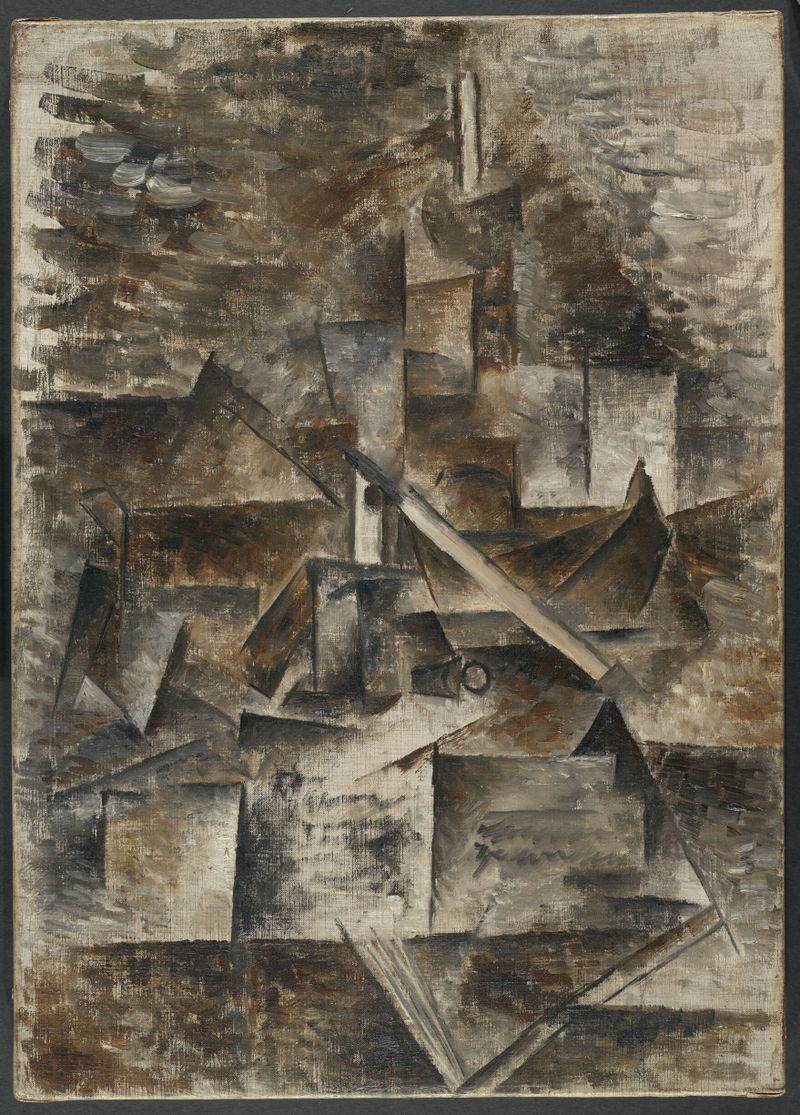
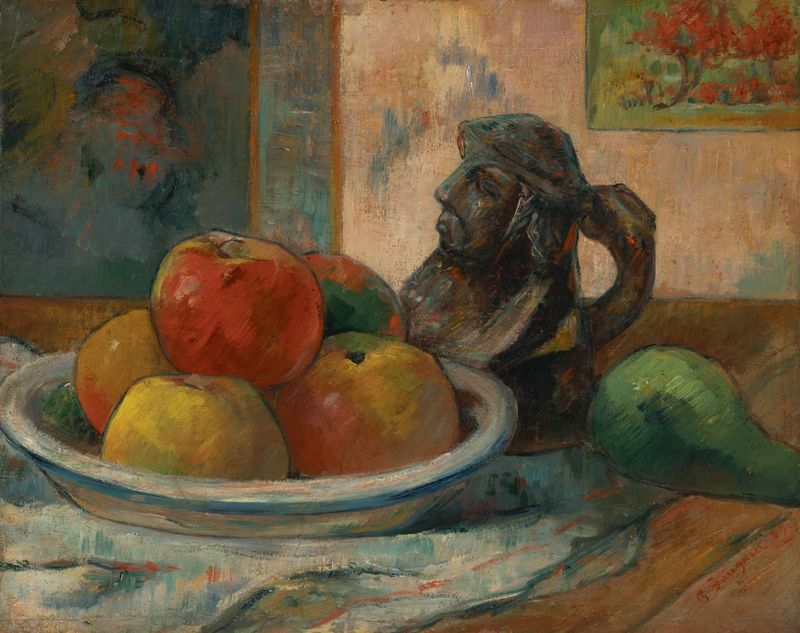
Where does light end, and longing begin? In the quiet stillness of Rack Picture for Dr. Nones, a delicate interplay between illumination and shadow captures the viewer's imagination, inviting contemplation of dreams and reality. Look closely at the intricate arrangement of objects that dominate the canvas. Notice how the soft light illuminates the textured surfaces, creating a luminous glow that dances across the scene.
The vibrant colors of the ceramic and glassware contrast beautifully with the muted tones of the background, drawing your gaze first to the centerpiece — an exquisite rack adorned with meticulously painted vessels. Each item appears to hold its own story, glimmering with the promise of undiscovered memories. Yet, beneath the artwork's charm lies a deeper tension. The way the light caresses the surfaces hints at fleeting moments, evoking a sense of nostalgia for experiences long gone.
The careful placement of each object suggests a longing for connection, as if the viewer is invited to step into a dream where time unravels. The contrast between the vivid colors and the subdued background represents the duality of aspiration and melancholy, whispering of dreams unfulfilled and the passing of time. In 1879, William A. Mitchell was deeply immersed in the burgeoning world of American decorative arts, particularly in Boston, where he produced this piece.
This was a time marked by a growing appreciation for craft, and Mitchell was known for his innovative ceramic designs that combined functionality with aesthetic beauty. Working within this artistic milieu, he sought to elevate everyday objects into the realm of fine art, forever transforming the viewer's relationship with domestic beauty.