
Ralph Inman (1713-1788) — History & Facts
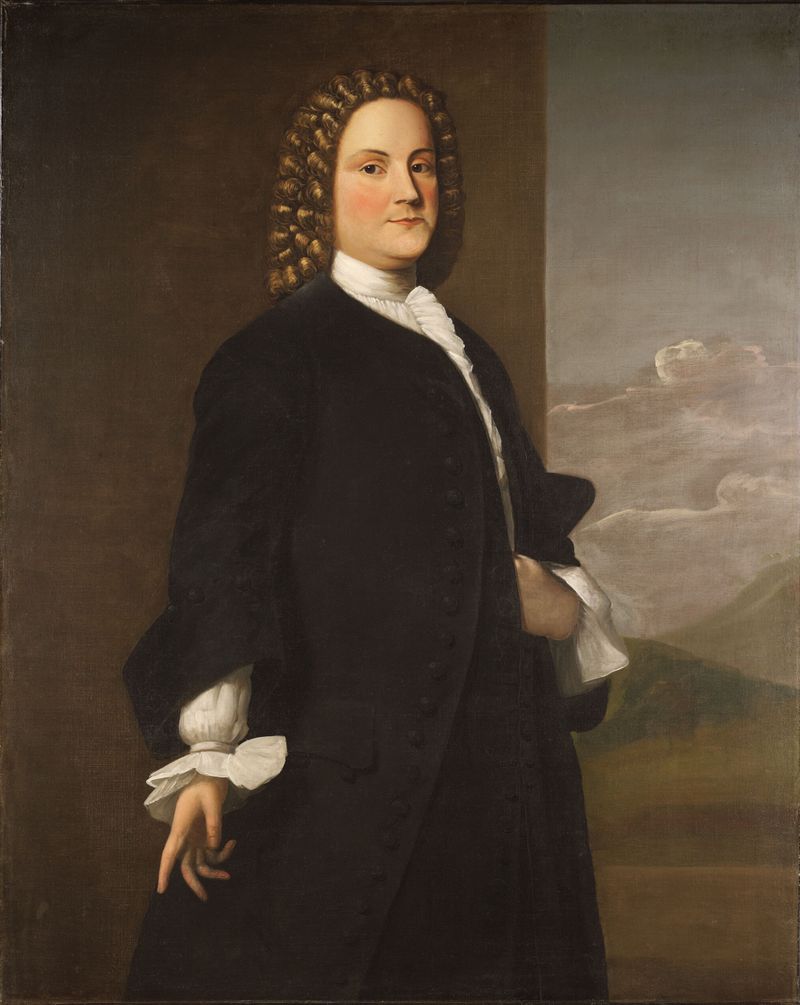
In Ralph Inman, the essence of nostalgia lingers in every brushstroke, capturing the delicate balance between memory and existence. Look closely at the subject’s face, turned slightly away, yet his eyes seem to gaze into the distance. Notice the play of soft, natural light that highlights his features, allowing the folds of his attire to emerge in gentle shadow. The muted color palette carries a warmth that evokes intimacy, while the intricate details of his clothing speak to a bygone era—a time of elegance and thoughtfulness. Here, the contrast between the subject's direct gaze and the atmospheric landscape hints at an inner world, suggesting deeper reflections on identity and legacy.
The objects surrounding him—a partially visible table and the soft patterns of fabric—carry a weight of history, while the serene background evokes a sense of timelessness. This emotional tension bridges the gap between the viewer and the subject, inviting contemplation of what remains versus what is lost. In the years around 1748, America was on the brink of significant change, and Robert Feke was at the forefront of American portraiture. Living in Massachusetts, he was influenced by the European styles of his time but sought to capture the unique character of his subjects.
This artwork emerged during a period when artists began to explore the personal narratives of their sitters more deeply, reflecting the complexities of a society poised for transformation.
More Artworks by Robert Feke
Browse all →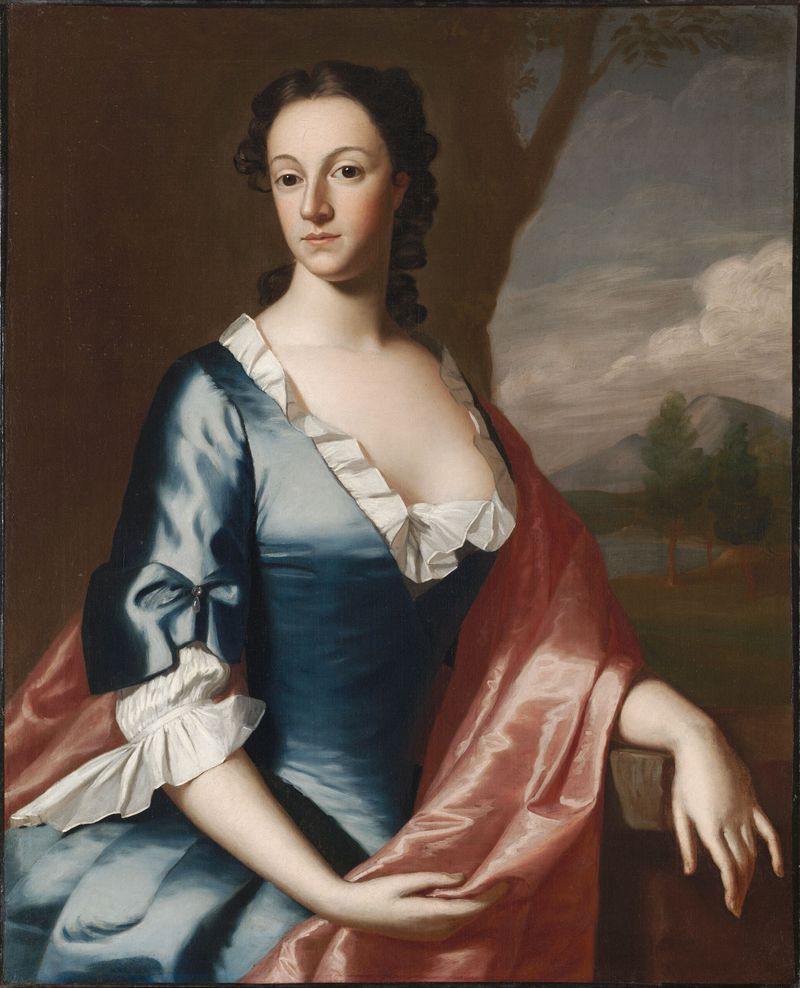

More Portrait Art
Browse all →
Las meninas
Diego Velázquez

Self-portrait with a Bandaged Ear and Pipe
Unidentified artist

Girl with a Pearl Earring
Johannes Vermeer

The Sampling Officials of the Amsterdam Drapers’ Guild, Known as ‘The Syndics’
Rembrandt van Rijn

The Hundred Guilder Print: the man seen on the back in the lower left corner
Rembrandt van Rijn

Portrait of Dr Gachet
Vincent van Gogh