
Randers — History & Facts
Who listens when art speaks of silence? In Randers, the whisper of movement is concealed within the stillness of the scene, inviting viewers to engage with the unspoken narratives woven into the canvas. Look closely at the figures positioned in the foreground; their postures suggest a fleeting moment of pause. Notice how the soft hues of ochre and muted blues dominate the landscape, creating a harmonious backdrop that envelops the individuals. The gentle play of light dances across the surface, illuminating their faces and subtly emphasizing the contours of their forms, guiding your gaze toward the heart of the scene.
Each detail, from the delicate brush strokes to the careful arrangement of objects, evokes a sense of palpable tension, as if the air is charged with a story just waiting to unfold. Delve deeper into the emotional landscape of the piece and you’ll discover contrasts that enrich its narrative depth. The juxtaposition of stillness and the uncertainty of the figures’ gestures hints at unvoiced thoughts and desires. The emptiness of the surrounding space amplifies the sense of isolation, while the vibrant colors suggest an undercurrent of longing and possibility.
Each element is a reminder that movement exists not just in the visible, but in the voids and silences that echo throughout the canvas. In the years 1822 to 1823, Lange painted this work during a period of personal reflection and exploration in Denmark. The Romantic movement was taking root, deeply influencing artists to focus on feelings and nature’s beauty. It was a time when the outside world was rife with social and political shifts, and artists like Lange sought to capture the essence of human emotion, shaping the course of art in the years to come.
More Artworks by Søren L. Lange
Browse all →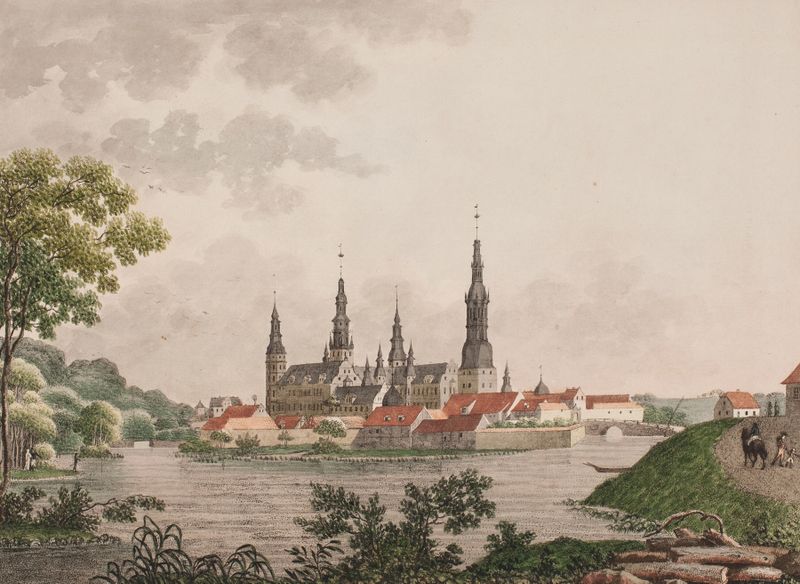
Prospekt af det kongelige slot Frederiksborg på Sjælland
Søren L. Lange
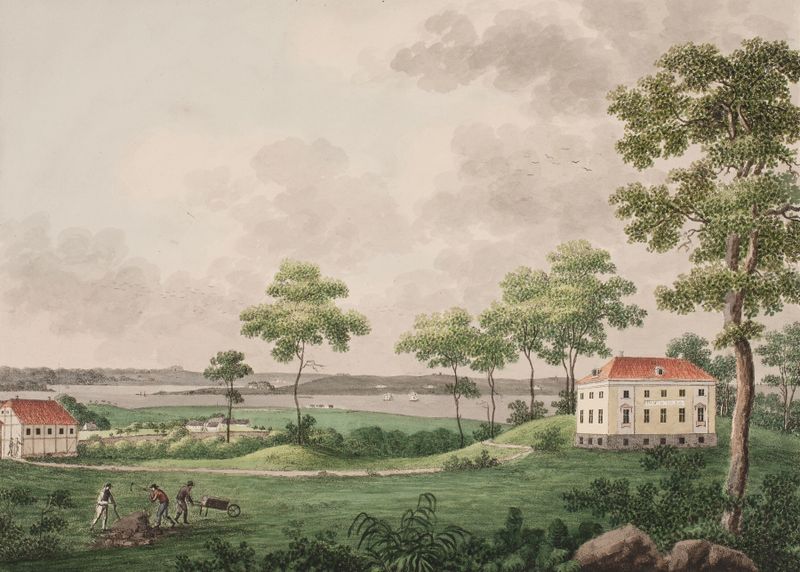
Udsigt af en Parcelle ved Grønsund på Falster under det Classenske Agerdyrknings Institut
Søren L. Lange
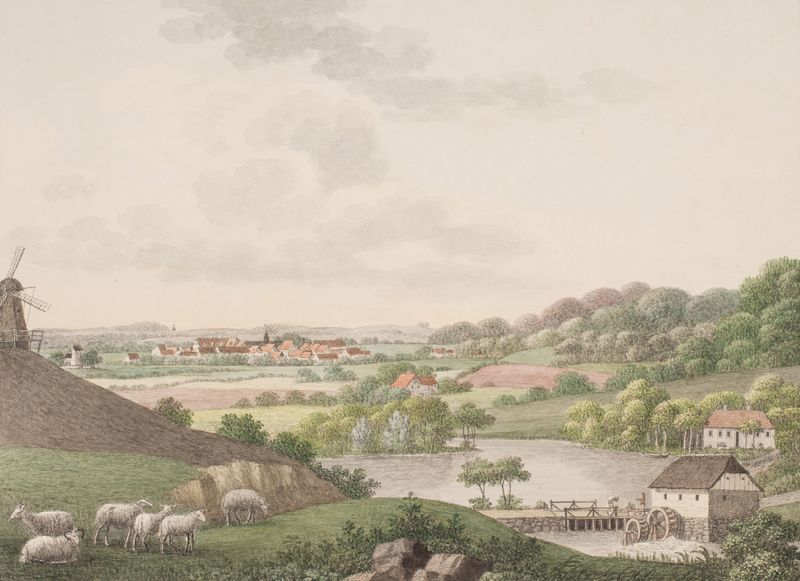
Christiansfeld, fra den østlige side
Søren L. Lange
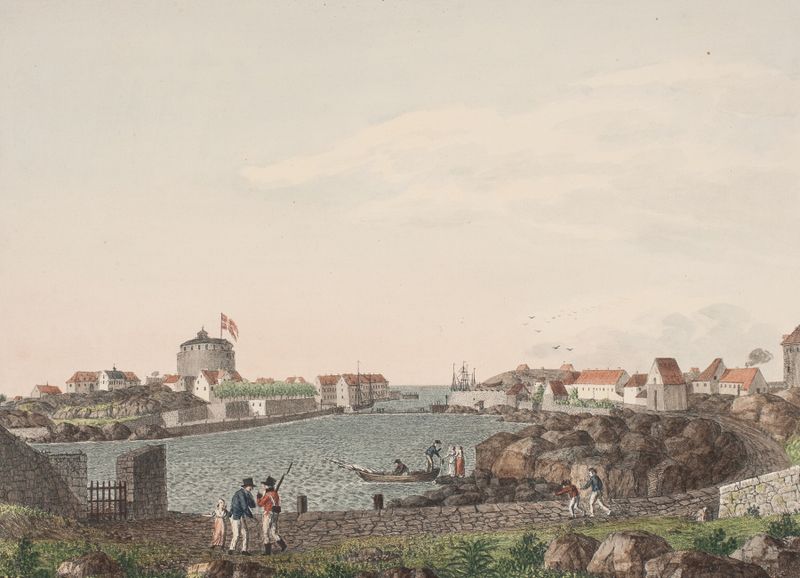
Christiansø. Nordhavnen
Søren L. Lange
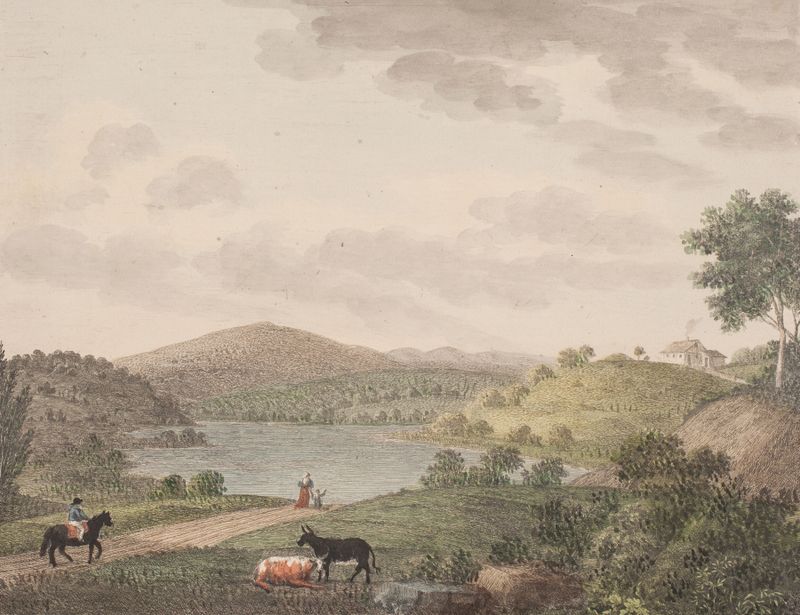
Aborrebjerget. En udsigt på Møn
Søren L. Lange
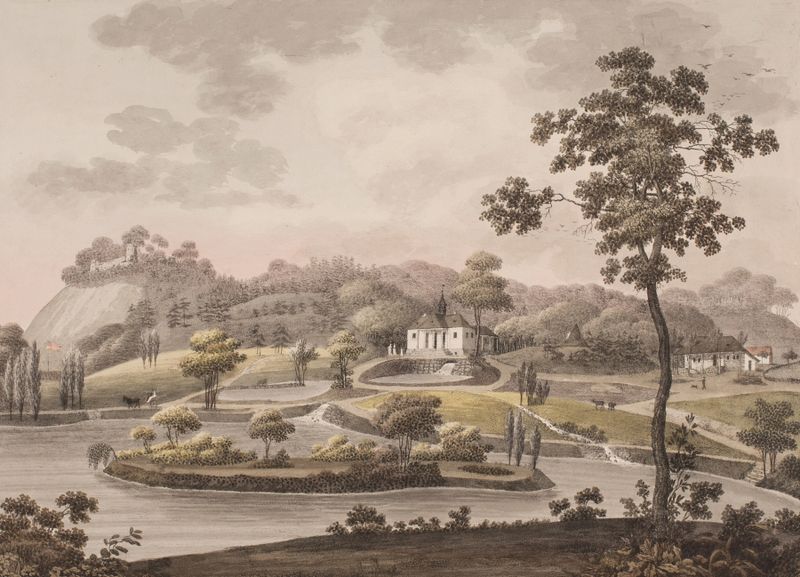
Liselund på Møn i Danmark
Søren L. Lange
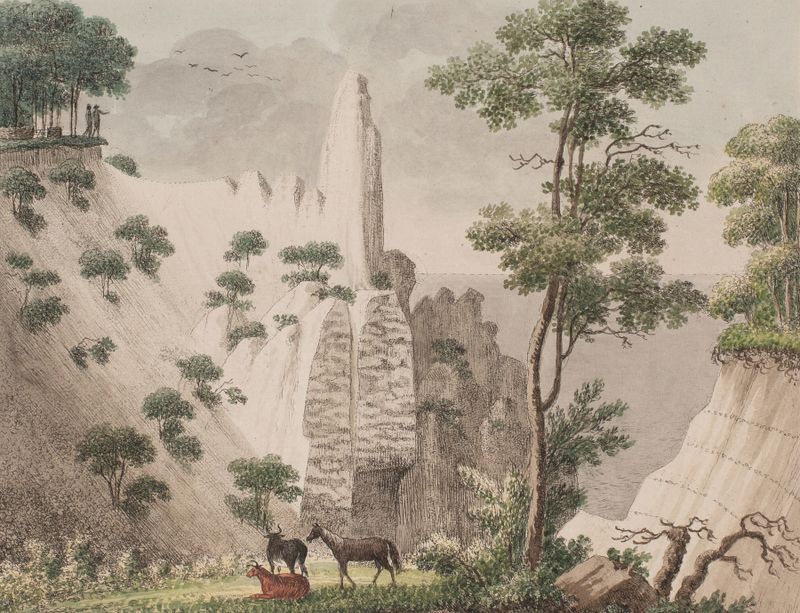
Udsigt af Sommerspiret i kridtbjergene på Møn
Søren L. Lange
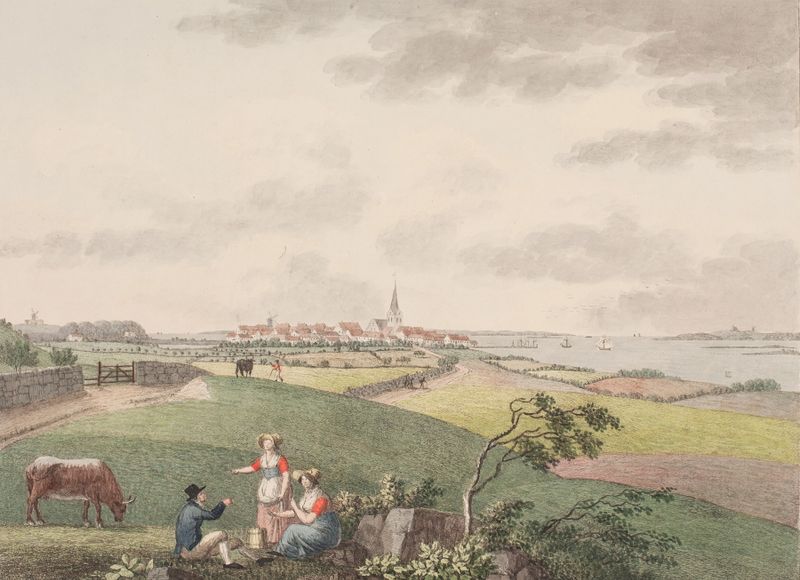
Rudkøbing på Langeland
Søren L. Lange
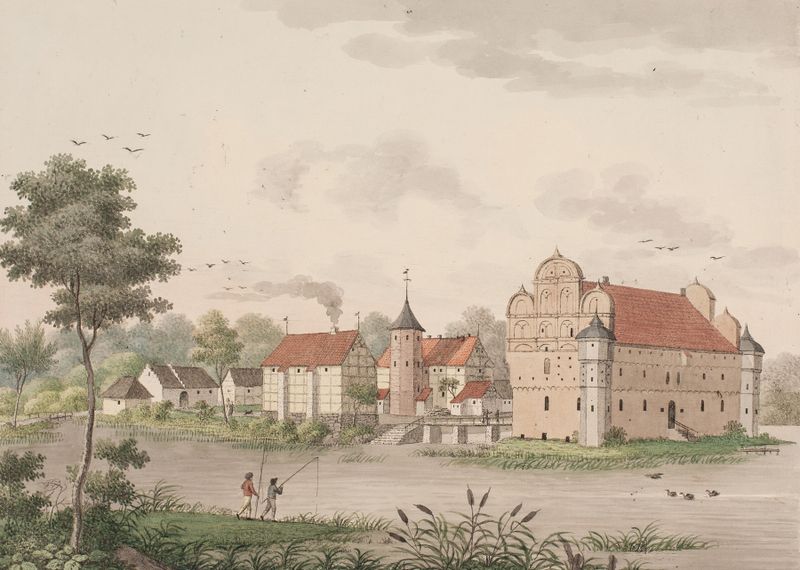
Hesselagergaard på Fyn
Søren L. Lange
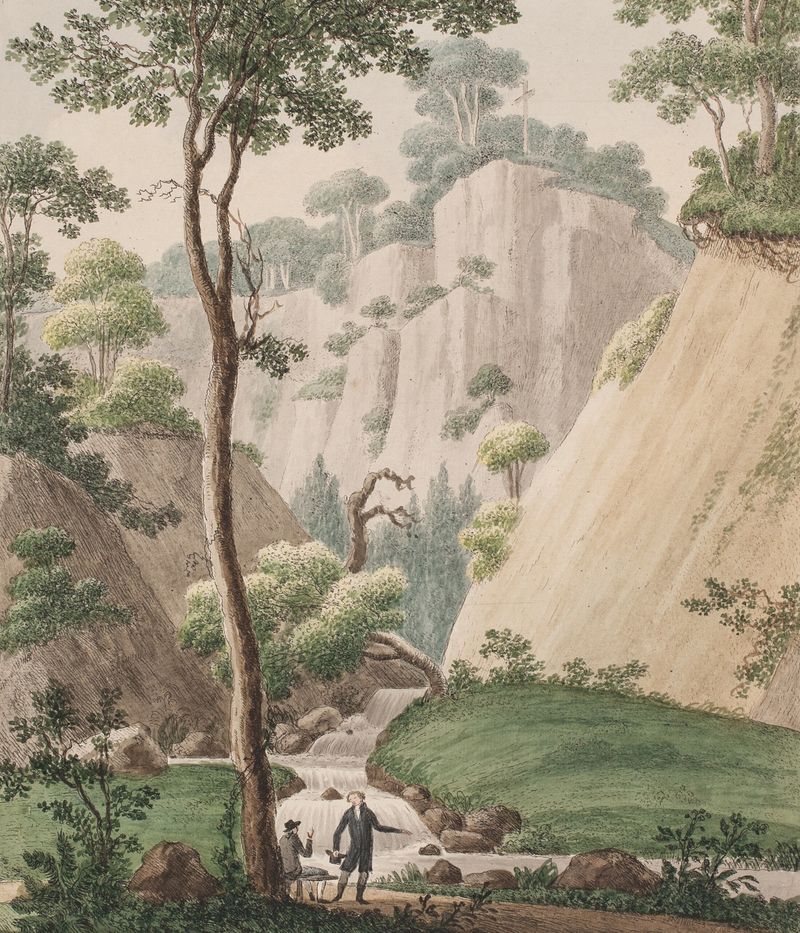
En udsigt ved Liselund på Møen
Søren L. Lange





