Red Tea Bowl — History & Facts
What if beauty was never meant to be finished? The delicate curve of a tea bowl captures the essence of destiny, inviting one to ponder the journey rather than the destination. Look closely at the rich crimson glaze that envelops the bowl, drawing your eyes to its luminous surface. The subtle variations in color hint at a masterful touch—a moment where the artist’s intention dances harmoniously with the imperfections of the firing process. Notice how the interplay of light brings forth a warm glow, evoking a sense of intimacy that beckons the viewer to reach out and touch the ceramic, to experience the story it holds. As you examine the bowl's unadorned simplicity, consider the cultural significance it embodies.
This piece speaks to the Japanese philosophy of wabi-sabi, celebrating the beauty in imperfection and transience. The bowl represents not just an object of utility, but a vessel of mindfulness, encouraging reflection on the fleeting nature of existence. Its elegance lies in its understated presence, contrasting the chaotic world that often overlooks such artistry. Created in Japan during the Edo period, this tea bowl reflects a time when the culture was rich with the aesthetics of simplicity and refinement.
Artists were embracing new techniques while simultaneously honoring traditional practices, merging craftsmanship with spiritual significance. In this era of social and artistic transformation, this bowl stands as a poignant reminder of the delicate balance between beauty, function, and the passage of time.
More Artworks by Unknown Artist
Browse all →
Ridder, Dood en Duivel
Unknown Artist
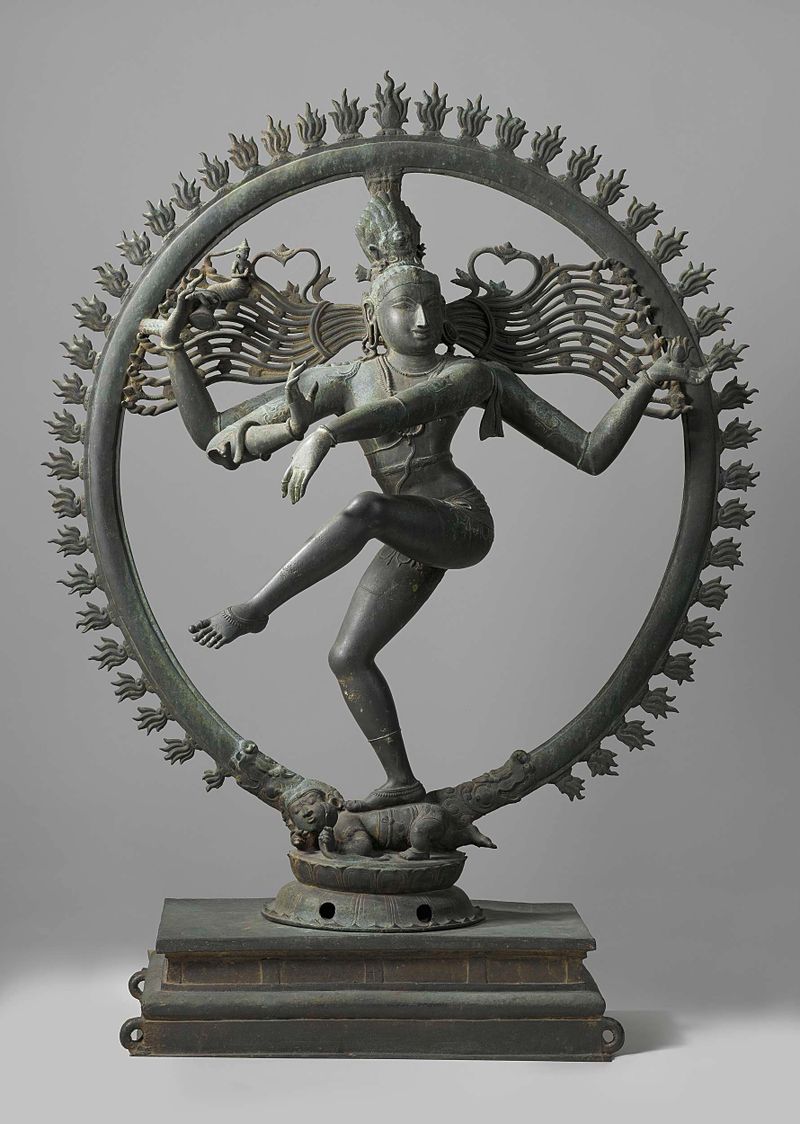
Shiva Nataraja
Unknown Artist

Portrait of Elizabeth I, Queen of England
Unknown Artist
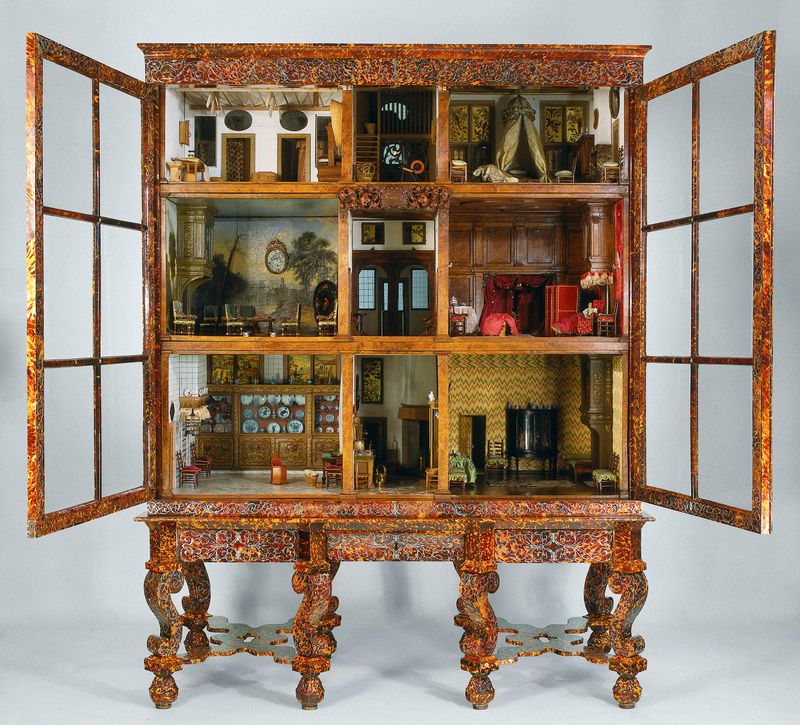
Dolls’ house of Petronella Oortman
Unknown Artist
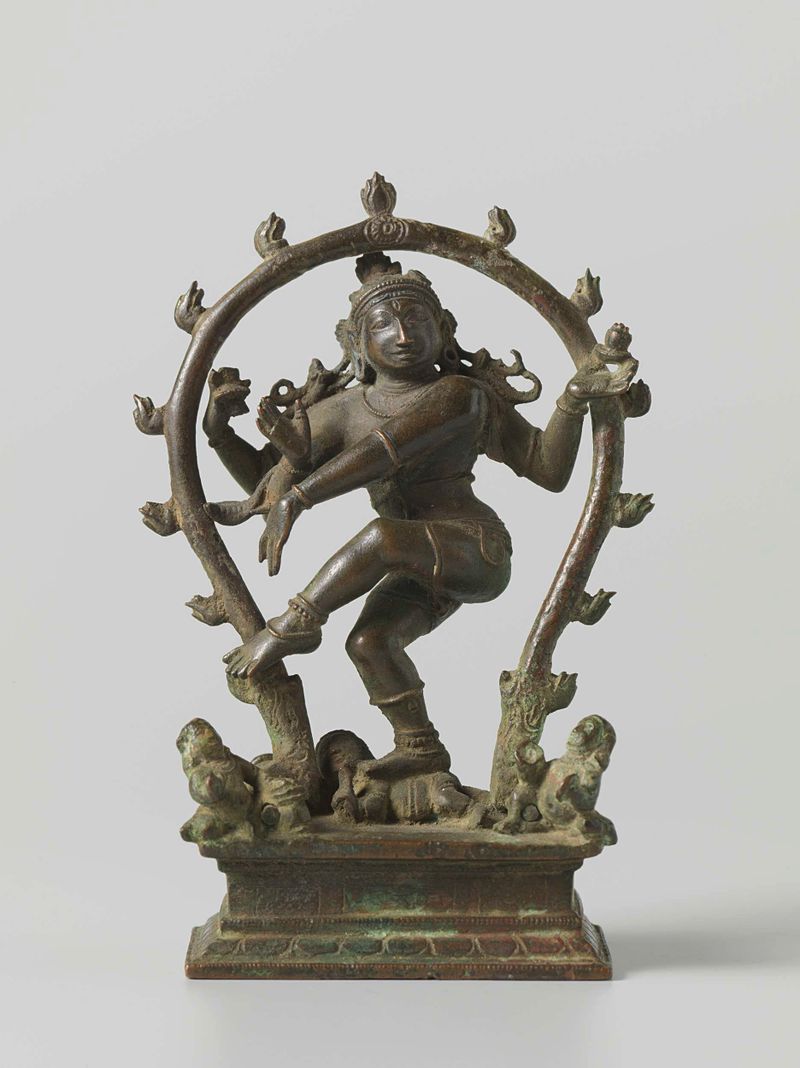
Shiva Nataraja
Unknown Artist

The Tale of Genji
Unknown Artist

The Tale of Genji
Unknown Artist
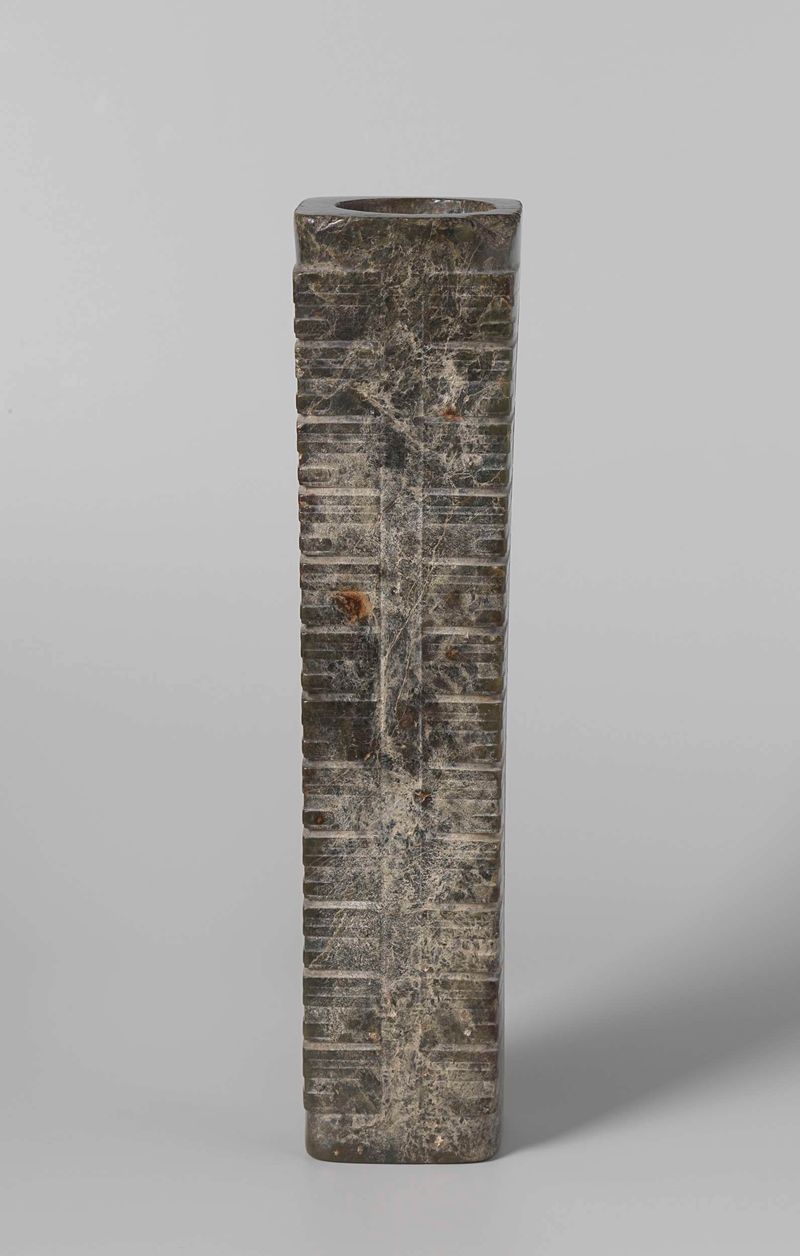
Cong
Unknown Artist
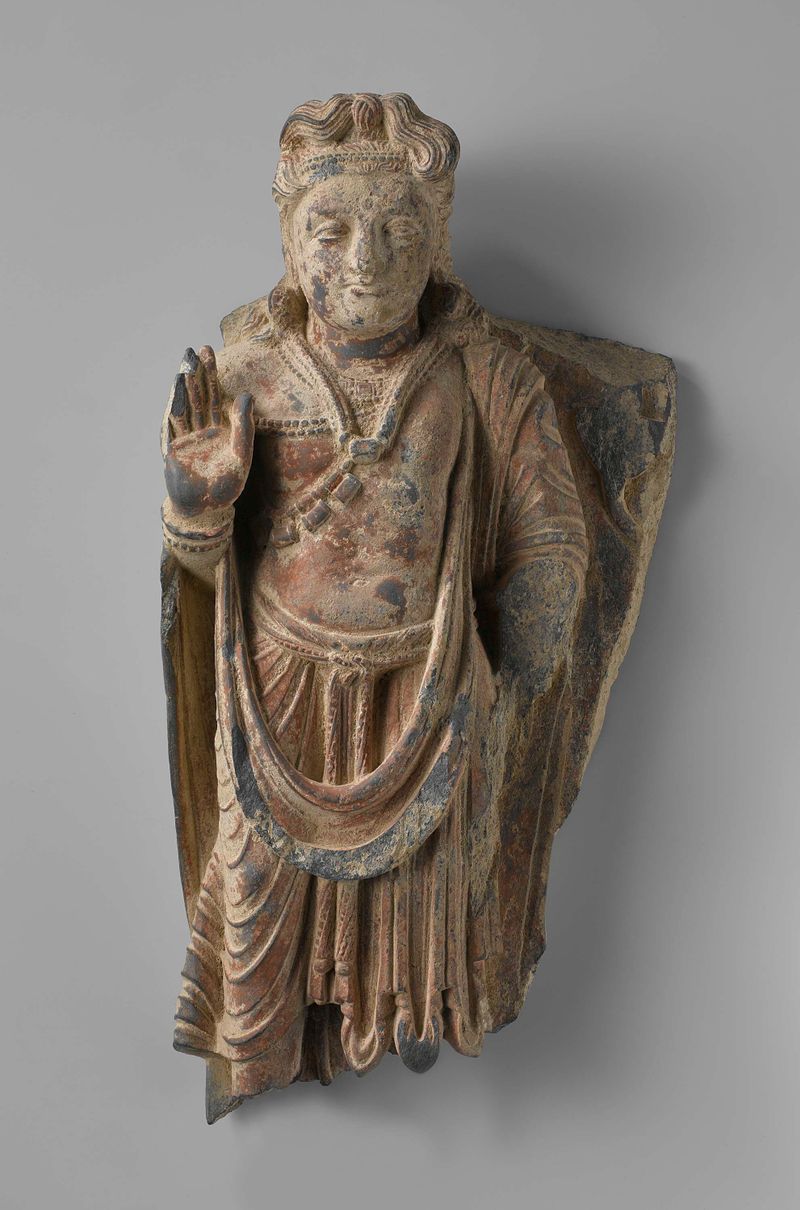
The bodhisattva Maitreya
Unknown Artist
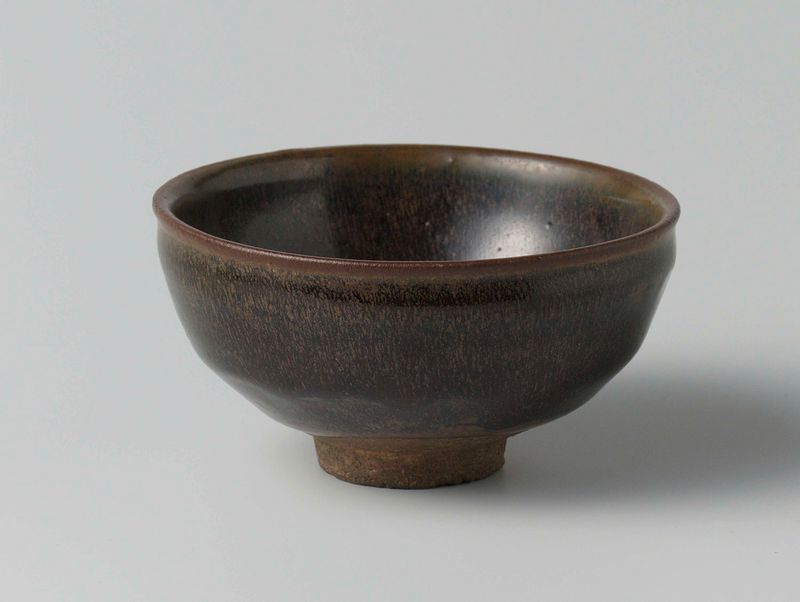
Teabowl with a 'hare's fur' glaze
Unknown Artist