
Red Umbrella — History & Facts
In the swirling depths of color, something extraordinary can emerge—a poignant moment of transcendence captured forever. Look to the foreground where a striking crimson umbrella commands attention, its vibrant hue contrasting sharply with the more muted tones surrounding it. The delicate play of light reflects off its surface, creating a sense of movement that suggests it is not just an object but a shield against life’s unpredictable storms. Notice the intricate, almost ethereal patterns woven into the background, pulling the gaze around the composition, blending chaos with an underlying harmony. Beneath the vivid umbrella lies a world brimming with emotional tension.
The blending colors evoke feelings of longing and protection, while the figures beneath the umbrella seem to float between reality and abstraction, each engulfed in their own thoughts. The juxtaposition of the solidness of the umbrella against the fluidity of the environment speaks to the struggle for stability amid the tumult of existence—their expressions hint at unspoken stories, inviting viewers to delve deeper into their own narratives. During the tumultuous year of 1917, Mehoffer created this work in Poland, a time marked by political upheaval and the shadows of war. Influenced by the Symbolist movement and his explorations in decorative arts, the artist sought to intertwine emotional depth with aesthetic beauty.
This painting reflects his desire to portray the human condition, capturing fleeting moments of grace amid chaos, resonating with the complexities of his era.
More Artworks by Józef Mehoffer
Browse all →
Vincennes Forest
Józef Mehoffer

Zwarzony Ogród
Józef Mehoffer
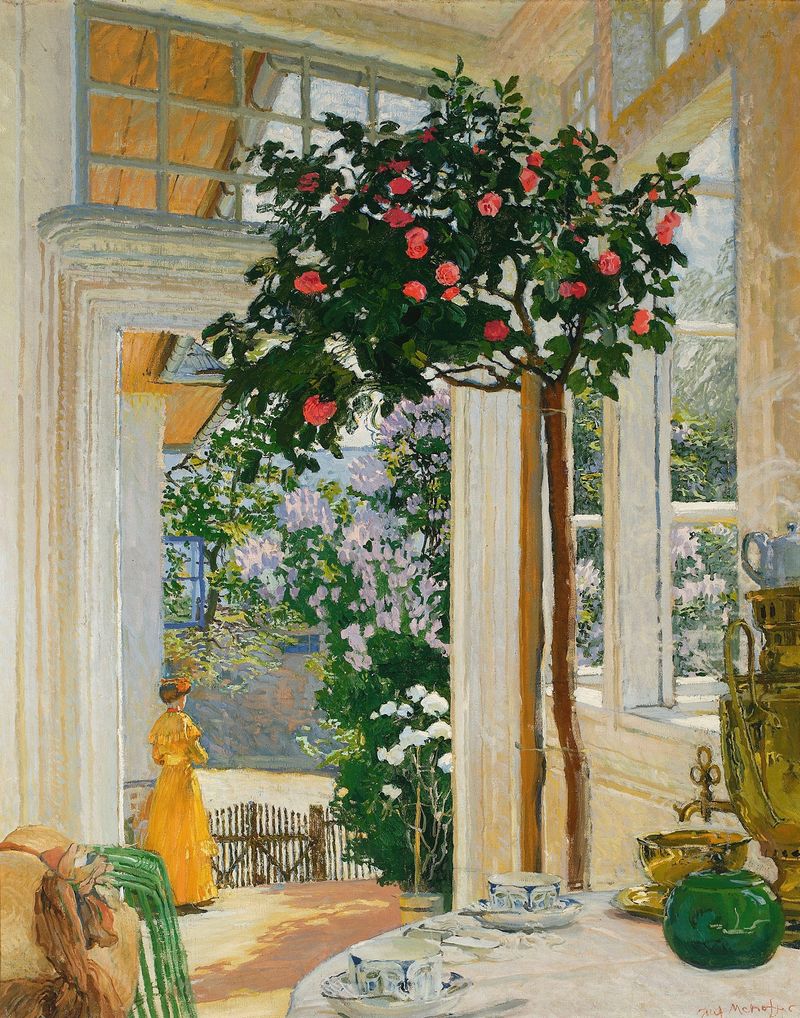
May sun
Józef Mehoffer
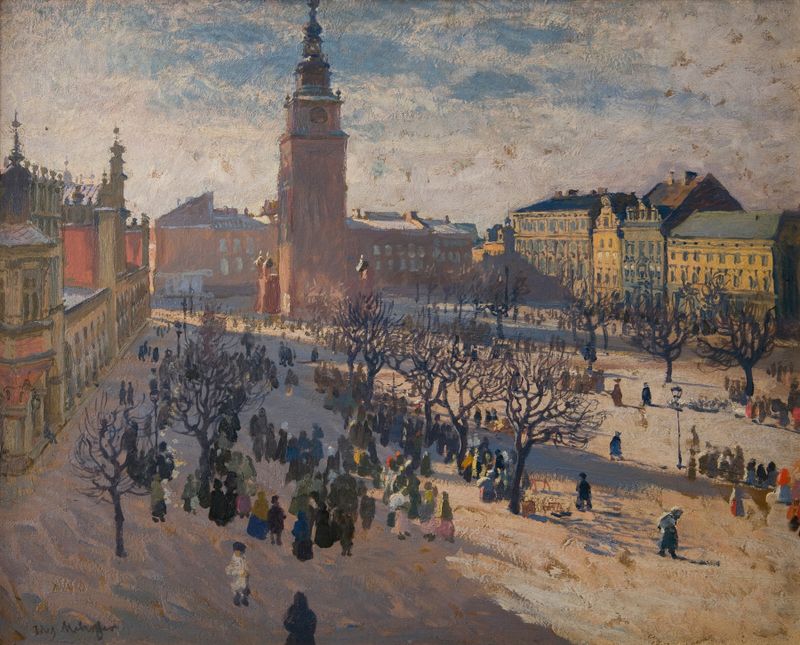
Main Market Square in Krakow
Józef Mehoffer
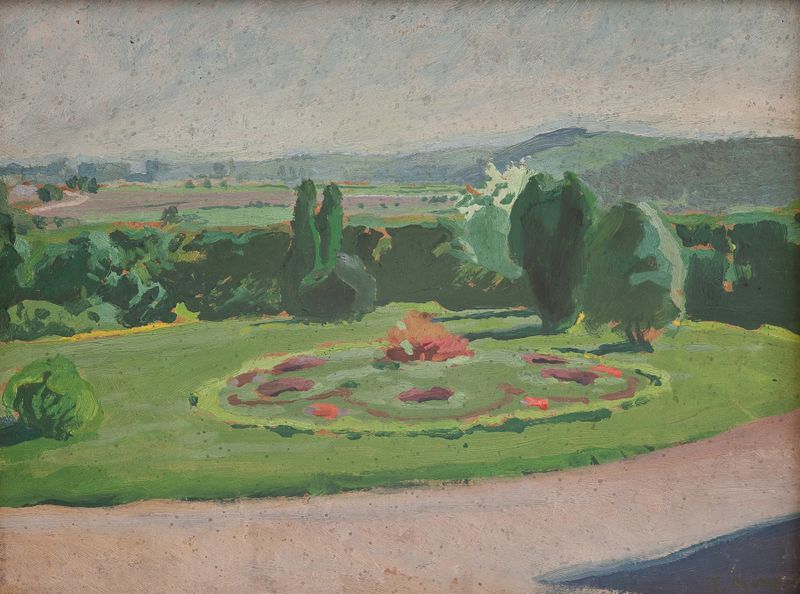
Flower-Bed in Front of the Manor
Józef Mehoffer
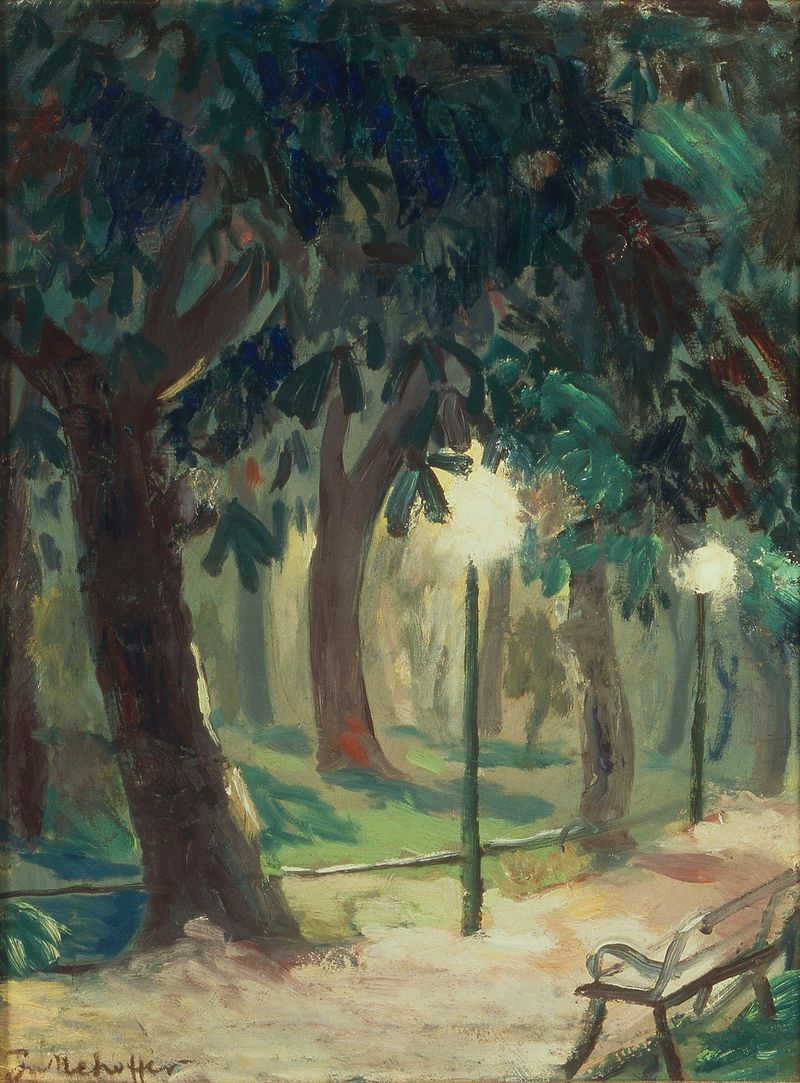
Planty Park in Kraków
Józef Mehoffer
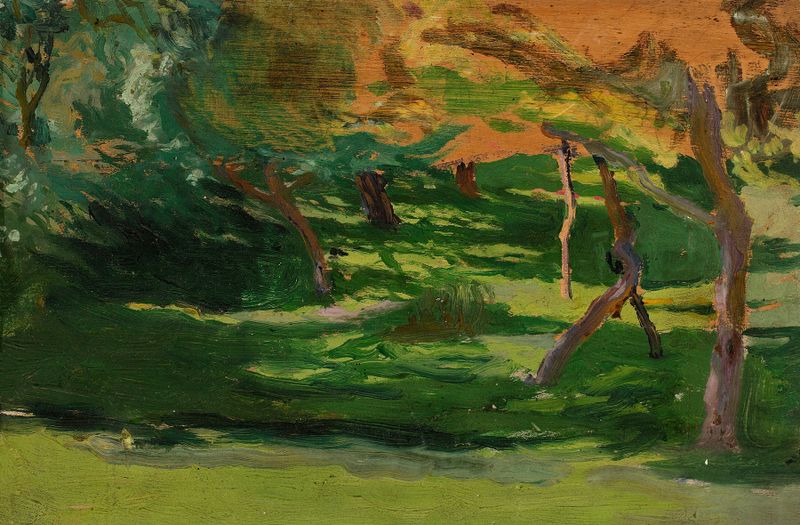
Landscape, sketch for “Strange garden”
Józef Mehoffer

View from the window of Józef Mehoffer and Stanisław Wyspiański’s studio in Paris
Józef Mehoffer
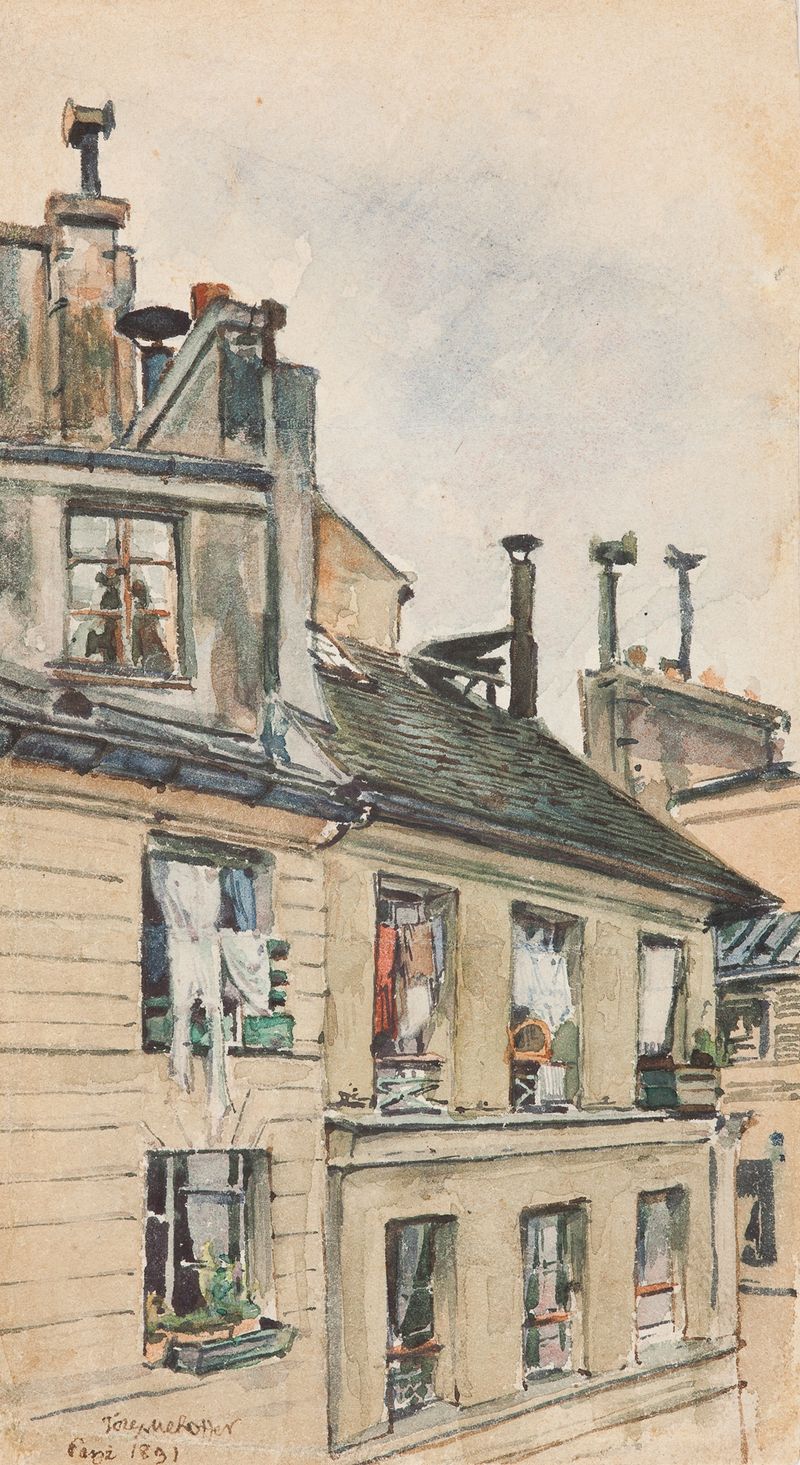
View from the window of Józef Mehoffer and Stanisław Wyspiański’s studio in Paris
Józef Mehoffer





