Regents Park — History & Facts
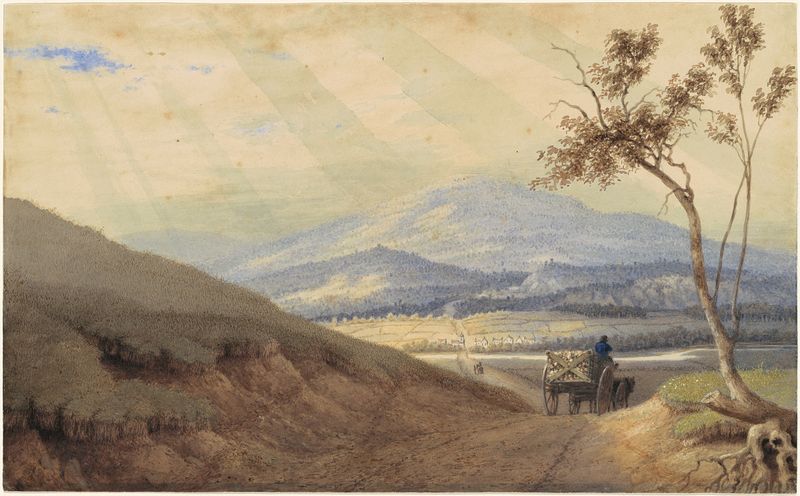
Can paint confess what words never could? In Regents Park, the lush greenery and delicate blossoms whisper secrets of a world both serene and vibrant, inviting introspection and revelation. Focus first on the sprawling expanse of greenery that dominates the canvas, stretching wide under the gentle caress of a soft afternoon light. Notice how the brushstrokes capture the shimmering leaves, each one a microcosm of life reflected in the palette of greens—from deep emerald to fresh lime. The artist's deft use of light illuminates the petals of the flowers, which burst forth in dappled patches of color, inviting the viewer to roam through this tranquil haven. Yet, amidst this beauty lies a subtle tension—an interplay between nature and solitude.
The distant figures, mere silhouettes in the background, suggest a narrative of fleeting connections, hinting at stories left unspoken. The lushness of the park stands in contrast to the ephemeral nature of human presence, reminding us of the inevitable passage of time. Each flower, a fleeting moment of beauty, carries the weight of what it means to exist in harmony with nature. George Harvey painted Regents Park in 1875 during a period of personal and professional growth.
Living in England, he was immersed in the landscape movement, yet his work sought to transcend mere representation. This painting reflects his exploration of light and color, showcasing the emerging Impressionist influence, while simultaneously capturing a moment suspended in time, echoing the whispers of nature's quiet confessions.