Regentschapstraat in Brussels — History & Facts
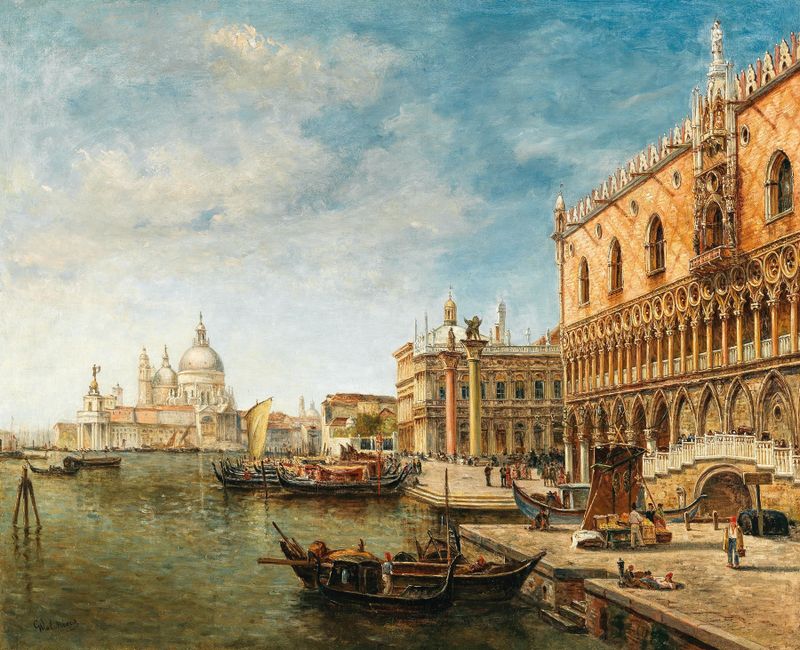
Each stroke has the power to transform a world of turmoil into a haven of ecstasy, capturing a fleeting moment in time. Look closely at the vibrant hues that pulsate throughout the canvas; the warm ochres and deep ceruleans beckon you in. Notice how the central avenue stretches toward the horizon, inviting the viewer into the heart of the city. The dynamic brushwork creates a sense of movement and life, as if the very air is charged with energy.
Elegant figures flit by, their garments swirling in a dance with the wind, while the sun's rays spill across the scene, illuminating the bustling street with a golden glow. Dig deeper into the intricacies of the work, and you’ll find a juxtaposition of solitude and vivacity. Amidst the thrumming activity, solitary figures linger in thoughtful repose, their expressions hinting at inner worlds that remain unseen. The spirited chaos of the street contrasts with these moments of contemplation, suggesting a deeper narrative of connection and solitude within urban life. Gustave Walckiers painted this work around the late 19th century, a period buzzing with modernity and artistic exploration in Brussels.
The city, alive with architectural innovation and social change, served as both muse and backdrop for many artists of the time. Walckiers was influenced by the Impressionist movement, which sought to capture the ephemeral nature of light and experience, weaving those elements into the fabric of everyday scenes.