
Reisaltaar — History & Facts
Who listens when art speaks of silence? In the stillness of Reisaltaar, a profound dialogue unfolds, inviting reflection and introspection from all who dare to engage. Focus on the central altar, where delicate details beckon the eye. The intricate carvings, punctuated by the muted palette of earth tones, create an atmosphere that feels both sacred and intimate. Notice how the soft light casts gentle shadows, accentuating the craftsmanship and inviting viewers to explore the interplay between texture and form.
Each element is painstakingly arranged, leading your gaze on a journey that honors both the visible and the unseen. As you delve deeper, layers of meaning begin to emerge. The altar serves as a symbol of devotion, but its silence hints at loss and longing, perhaps a reminder of the voices that once filled the space. The juxtaposition of reverence and absence creates a poignant tension, encouraging contemplation of what remains unsaid.
This interplay between presence and void speaks to the universal experience of yearning, making the viewer acutely aware of their own silence. Created by an unknown artist between 1800 and 1900, Reisaltaar reflects a time of rich spiritual exploration within the artistic community. During this period, artists began to embrace themes of personal faith and introspection, moving away from grand historical narratives. The anonymity of the creator lends an intriguing layer, allowing the work to resonate on a collective level, transcending individual identity to speak to the shared human experience of silence and reflection.
More Artworks by Unknown Artist
Browse all →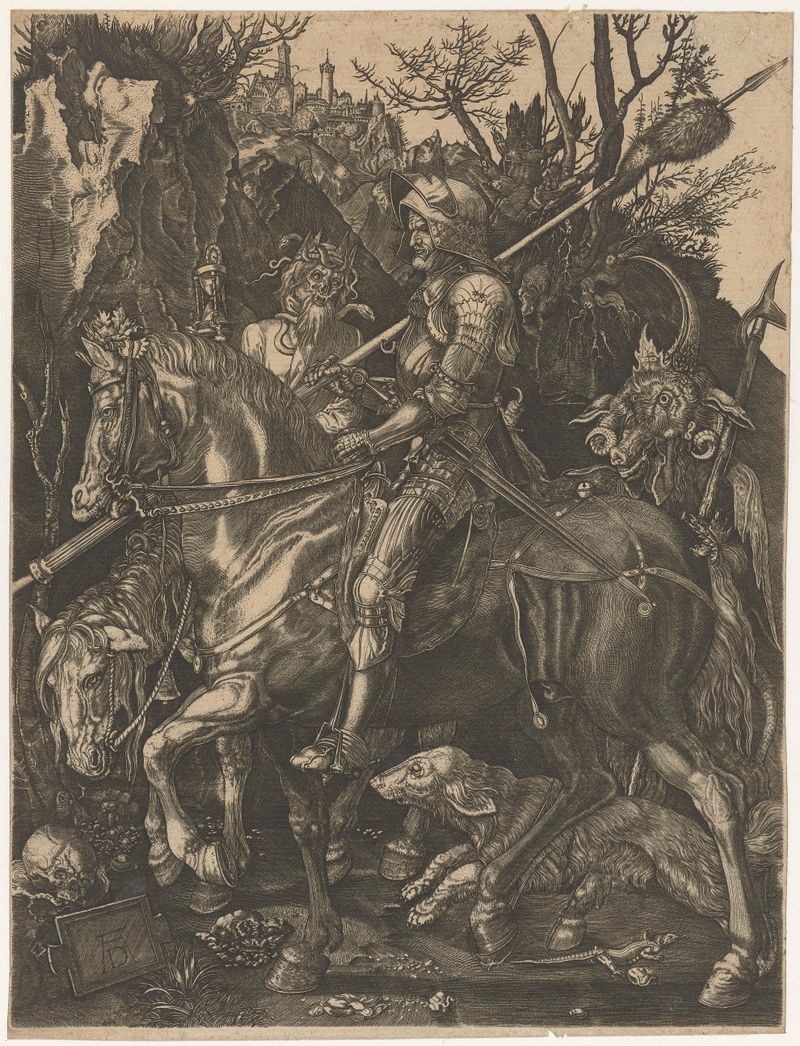
Ridder, Dood en Duivel
Unknown Artist
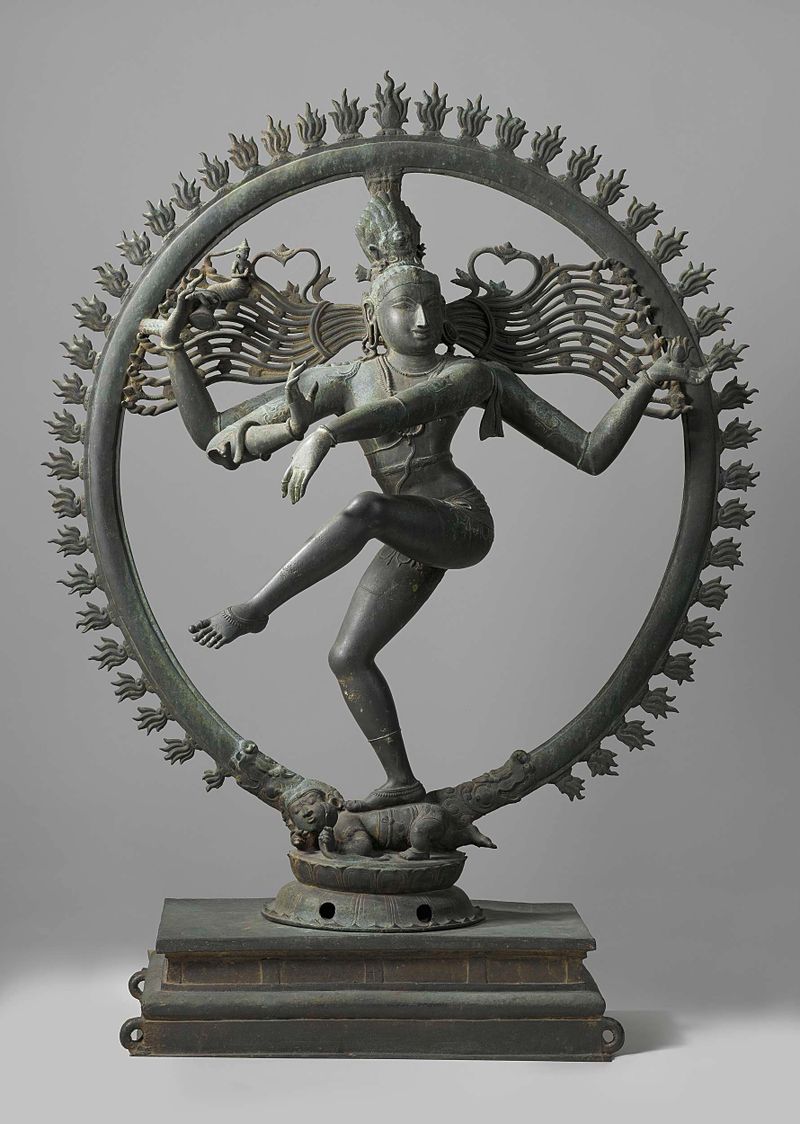
Shiva Nataraja
Unknown Artist
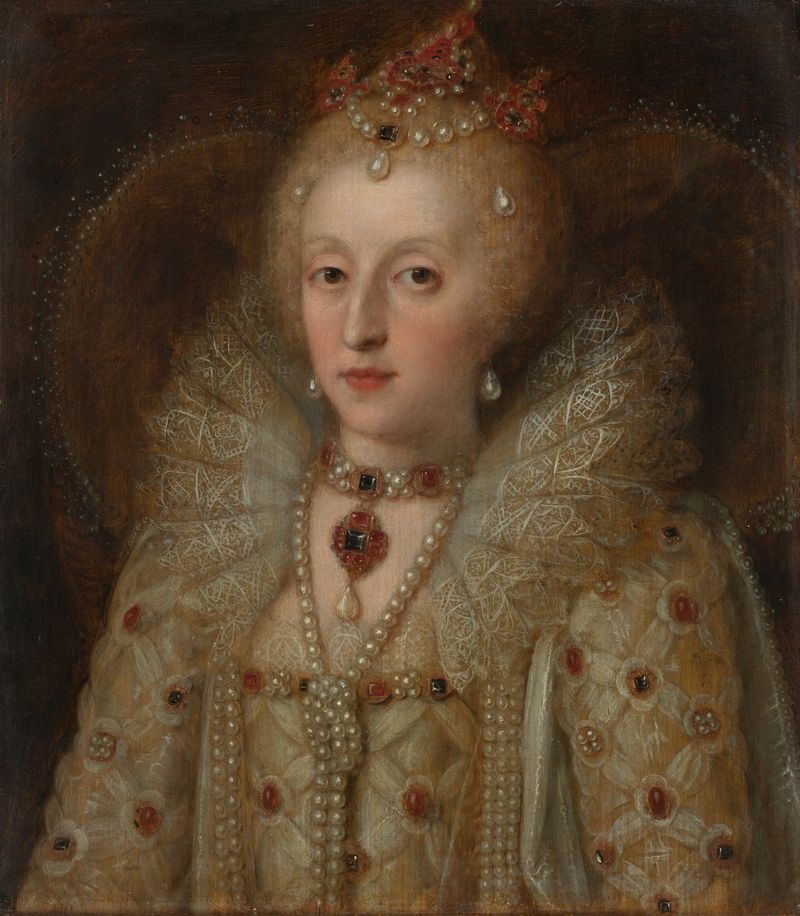
Portrait of Elizabeth I, Queen of England
Unknown Artist
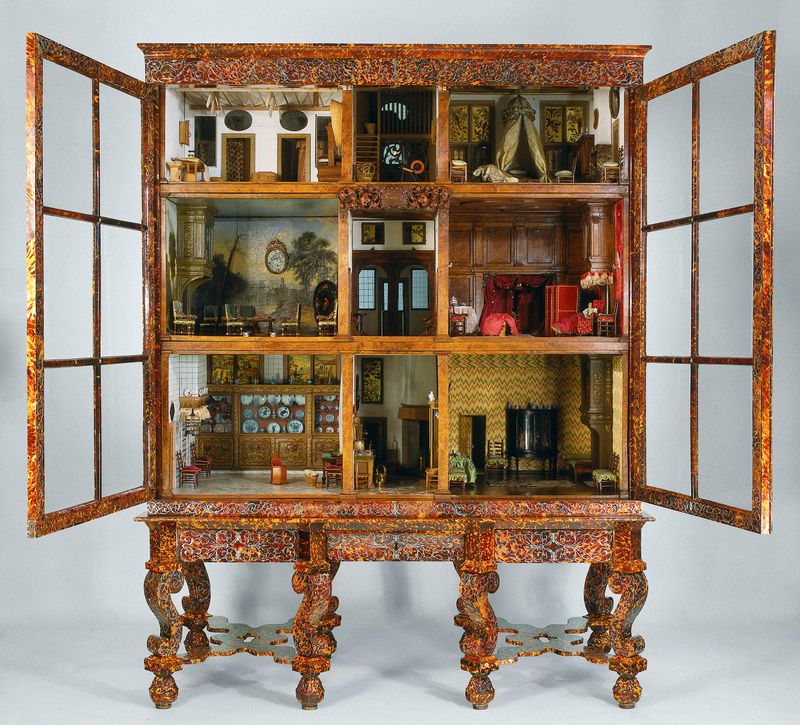
Dolls’ house of Petronella Oortman
Unknown Artist
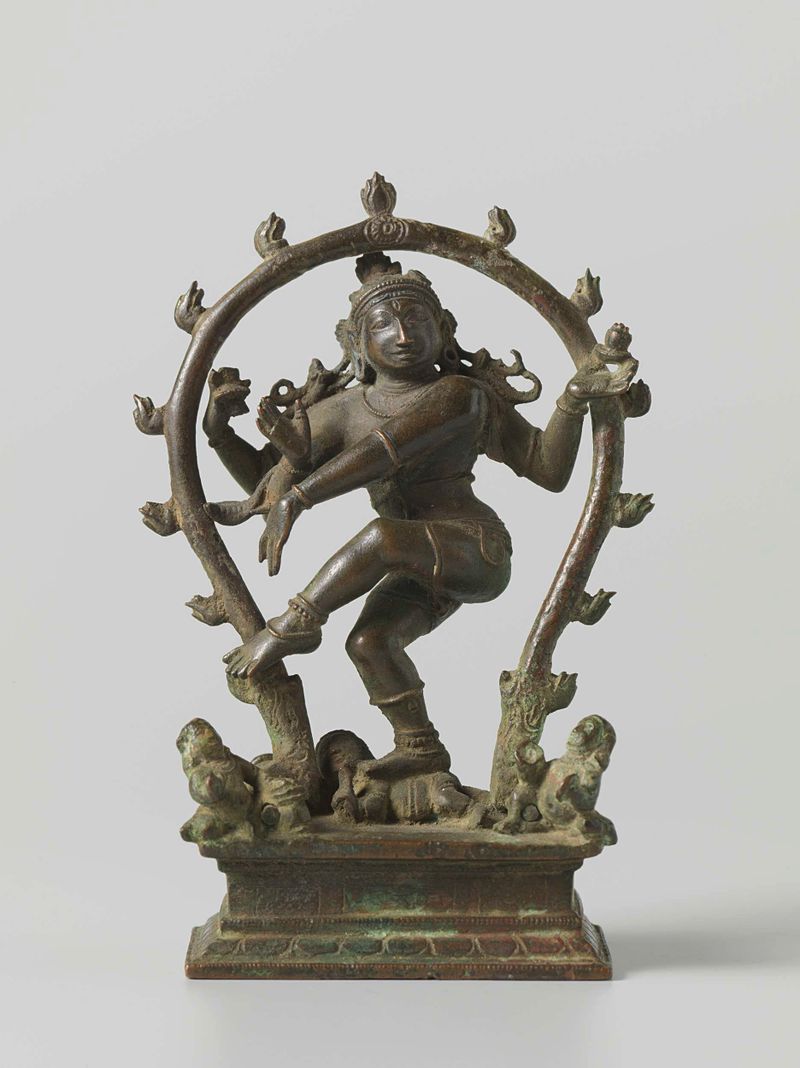
Shiva Nataraja
Unknown Artist

The Tale of Genji
Unknown Artist

The Tale of Genji
Unknown Artist

Cong
Unknown Artist
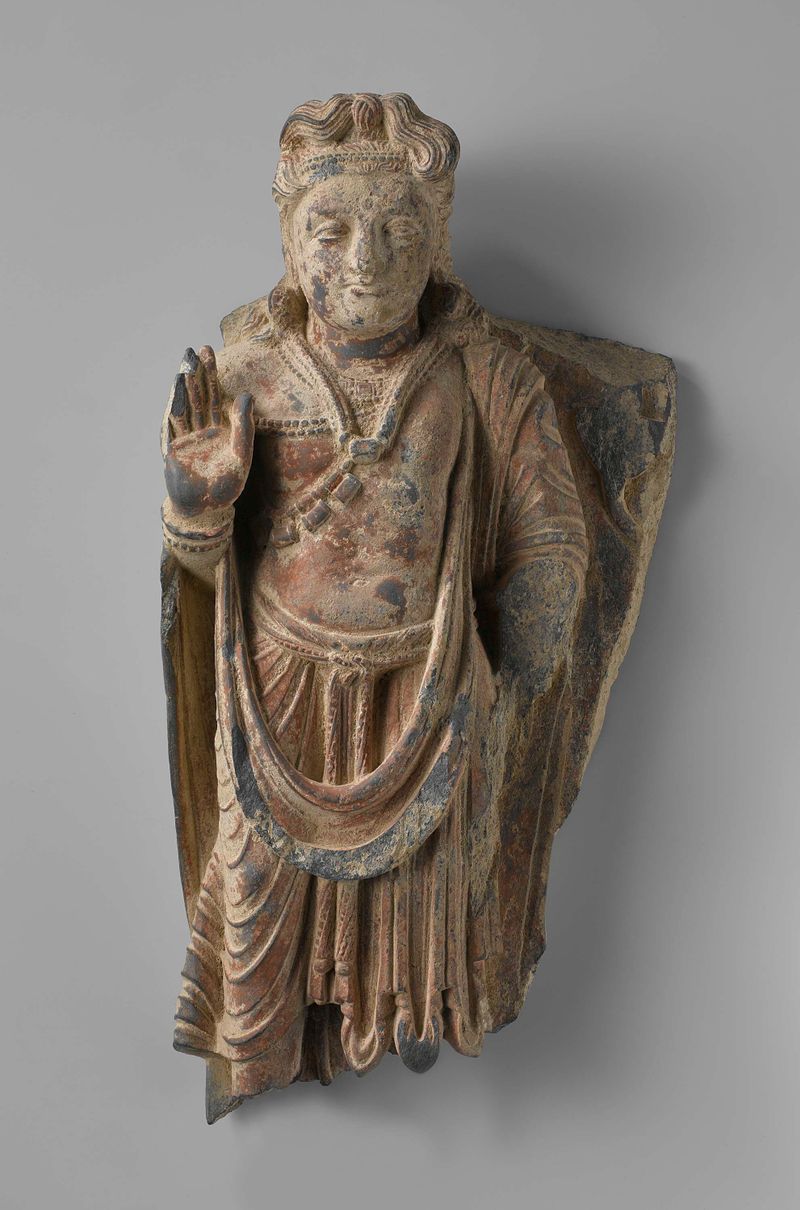
The bodhisattva Maitreya
Unknown Artist

Teabowl with a 'hare's fur' glaze
Unknown Artist
More Religious Art
Browse all →
The Return of the Prodigal Son
Rembrandt van Rijn

The Garden of Earthly Delights
El Bosco

Count Orgaz’ funeral
El Greco

The Hundred Guilder Print: the central piece with Christ preaching, the plate arched
Rembrandt van Rijn

The Descent from the Cross
Rogier van der Weyden

The return of the prodigal son
Rembrandt van Rijn