Discover insights about this artwork
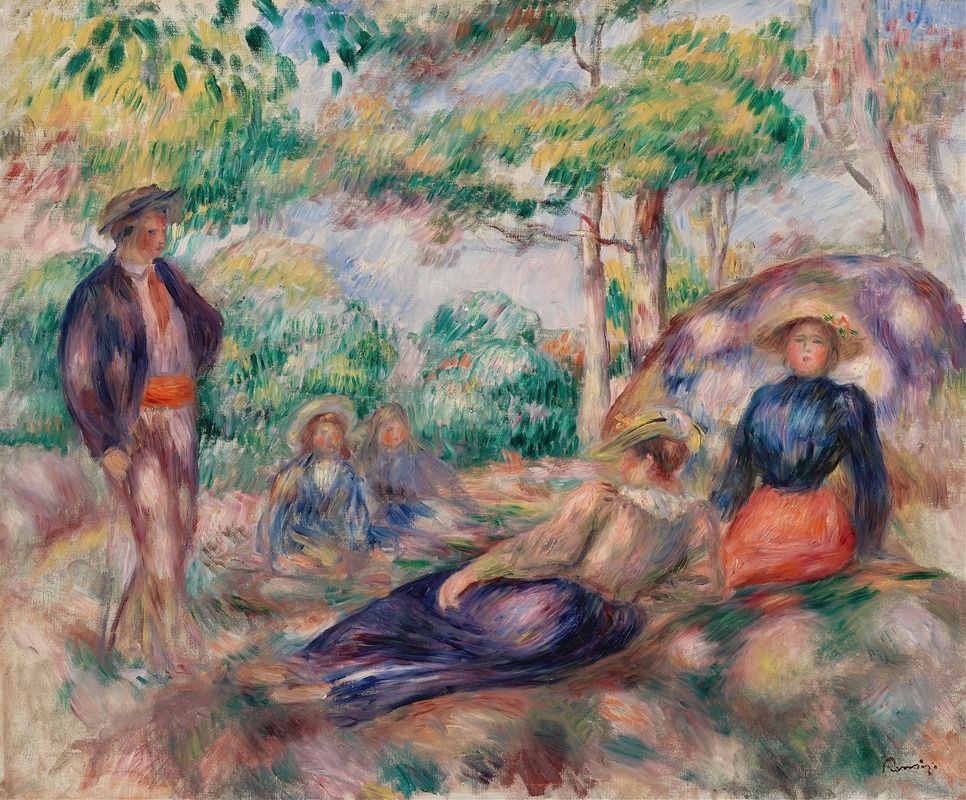
Rembrandt and Saskia in the Scene of the Prodigal Son — History & Facts
In Rembrandt and Saskia in the Scene of the Prodigal Son, we see a warm palette dominated by browns, golds, and deep reds. The figures of Rembrandt and Saskia are central, engaged in a moment of intimacy and reflection. The setting is rich with detail, suggesting a domestic space that feels both inviting and contemplative.
This scene captures the essence of the Prodigal Son's return, filled with emotion and narrative depth. The painting is executed in oil on canvas, a medium that allows for rich textures and vibrant colors. Rembrandt's use of light and shadow, known as chiaroscuro, creates a dramatic effect that enhances the emotional resonance of the scene. The composition is carefully arranged, with figures positioned to draw the viewer's eye towards the central action.
This work exemplifies Rembrandt's ability to convey complex human emotions through his art. Created around c. 1636, this painting reflects Rembrandt's personal life, as Saskia van Uylenburgh was his wife and muse. The choice to depict themselves in a biblical scene speaks to the blending of personal and spiritual themes in his work.
Interestingly, this piece is part of a larger tradition of genre scenes in Dutch art, where everyday life is infused with deeper moral and philosophical meanings. Rembrandt's unique approach to storytelling through art continues to influence artists today.
More Artworks by Rembrandt van Rijn
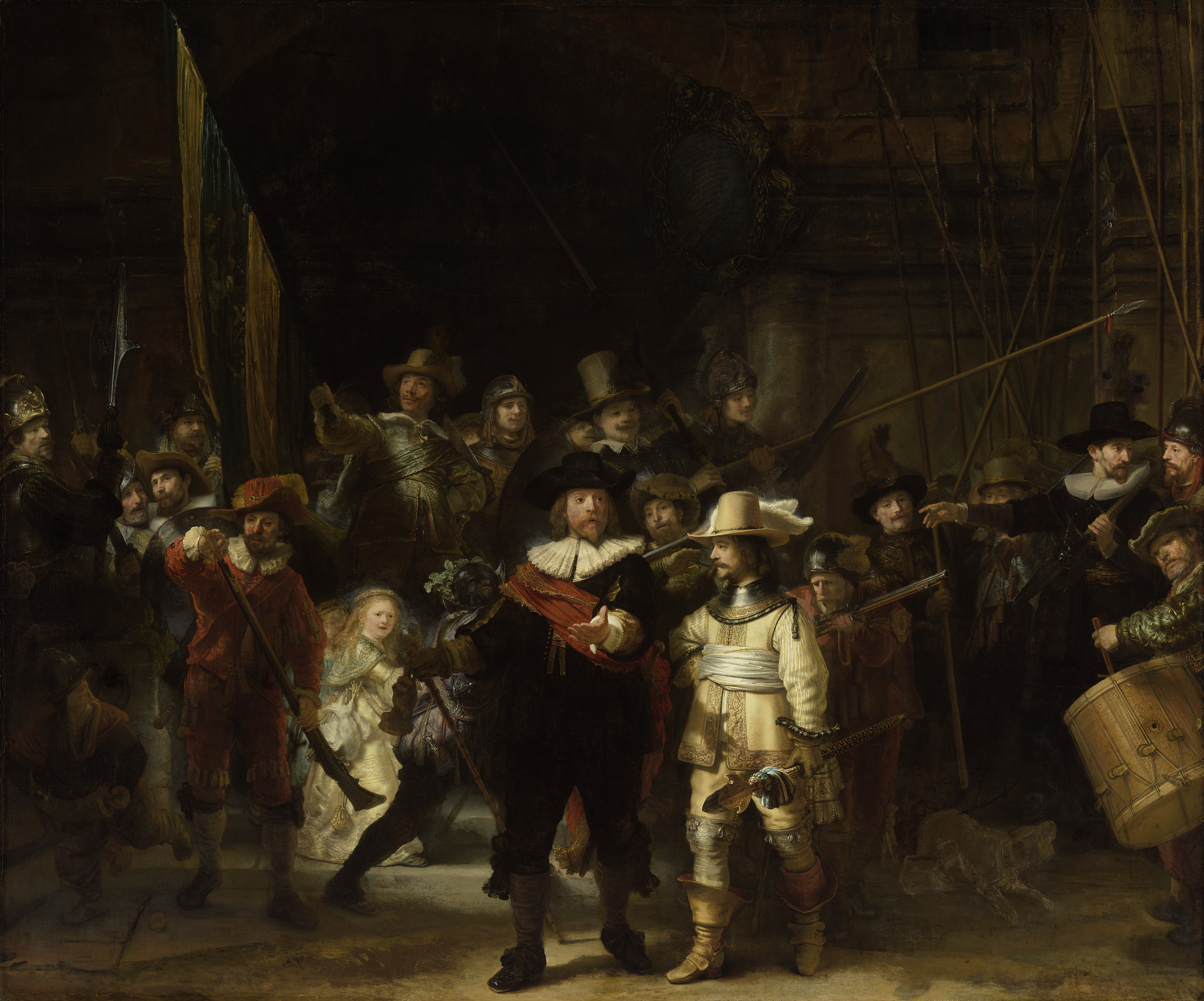
The Night Watch Militia Company of District II under the Command of Captain Frans Banninck Cocq
Rembrandt van Rijn
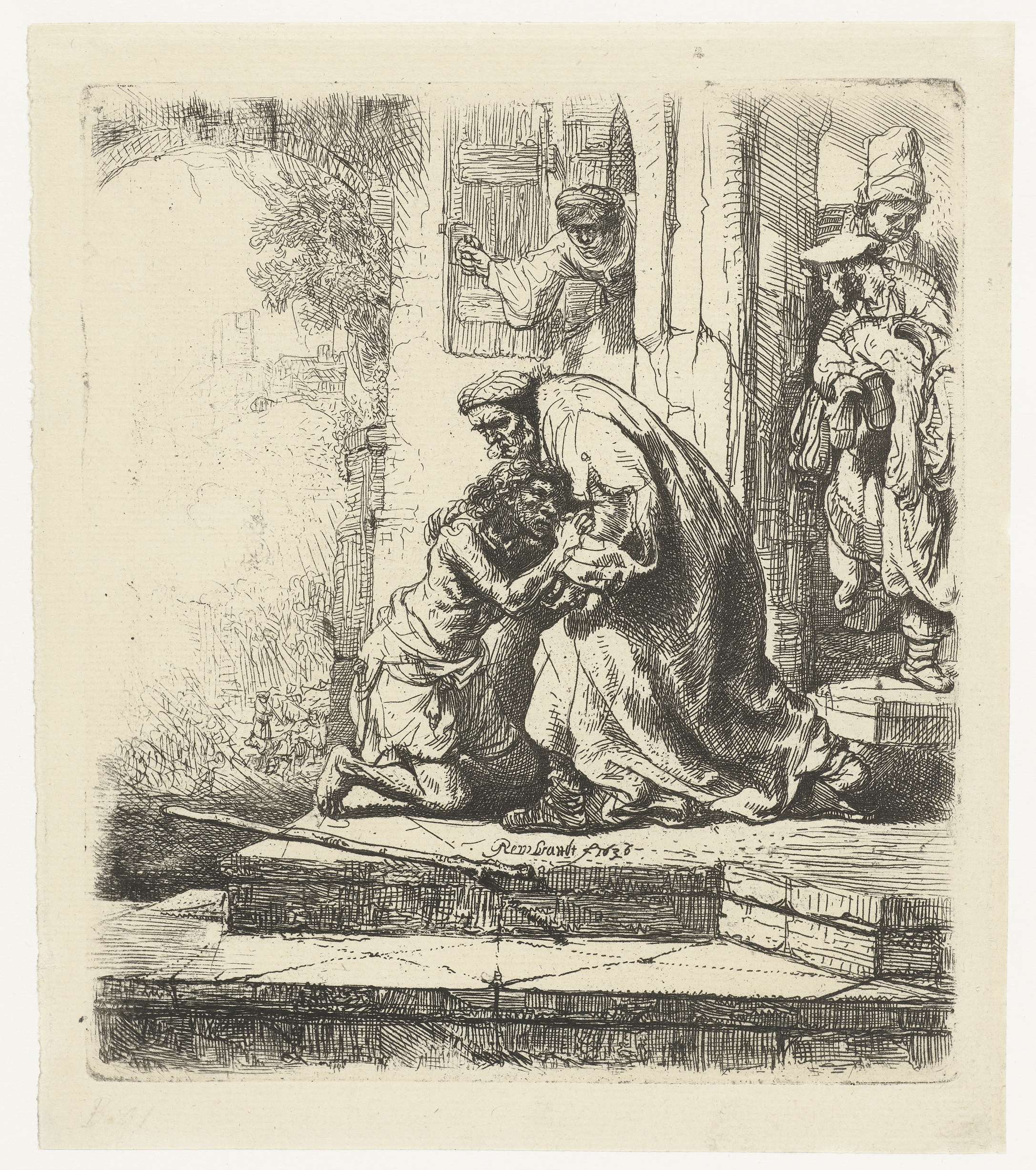
The Return of the Prodigal Son
Rembrandt van Rijn
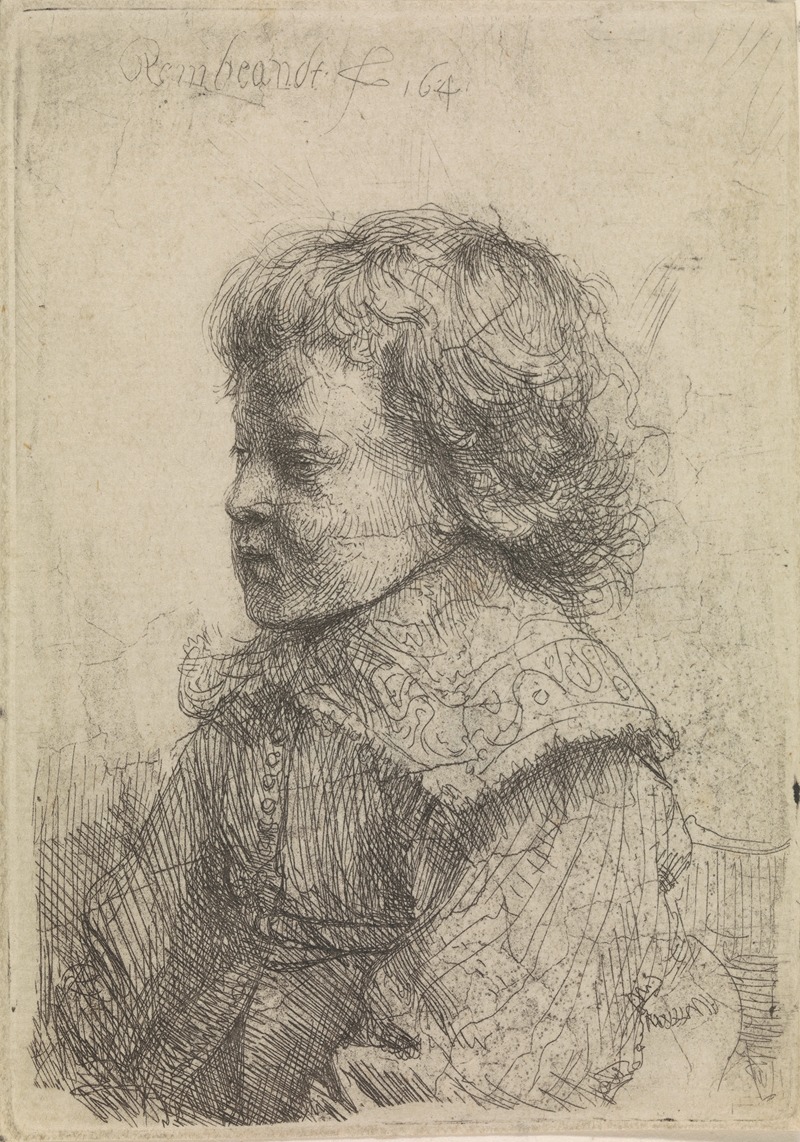
Portrait of a boy in profile
Rembrandt van Rijn
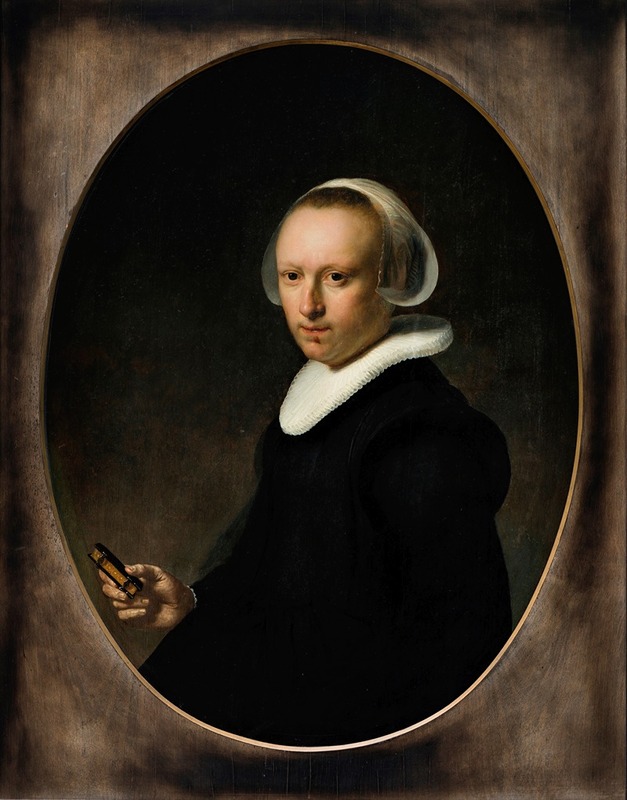
Portrait of a 39-year-old Woman
Rembrandt van Rijn
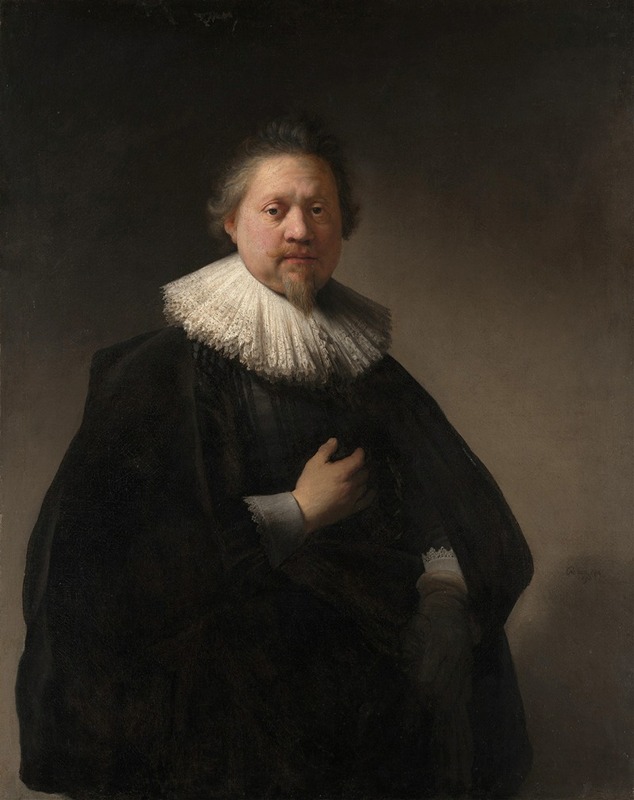
Portrait of a Man
Rembrandt van Rijn
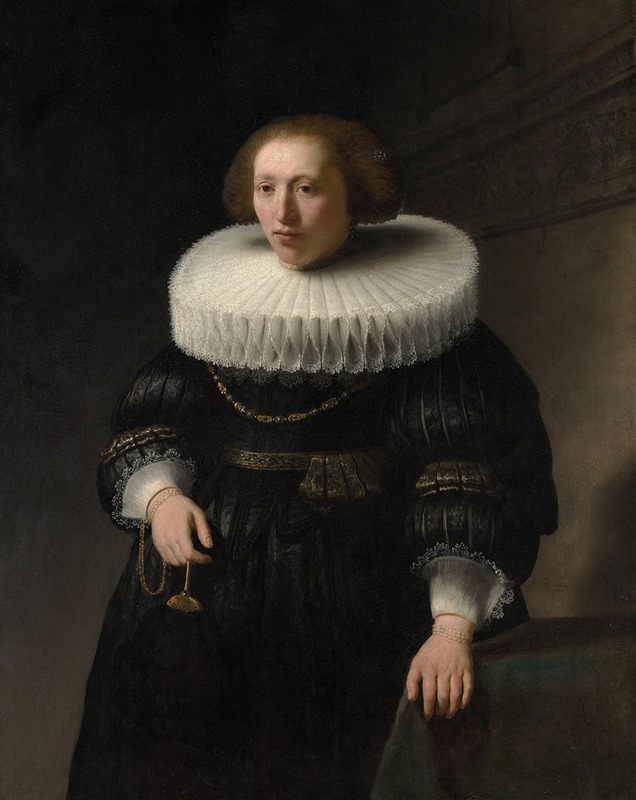
Portrait of a Woman
Rembrandt van Rijn
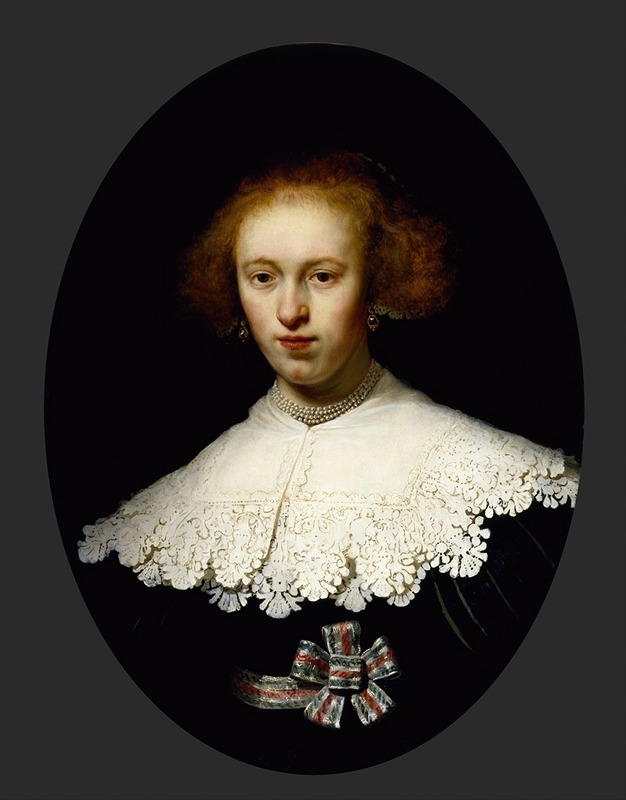
Portrait of a Young Woman
Rembrandt van Rijn
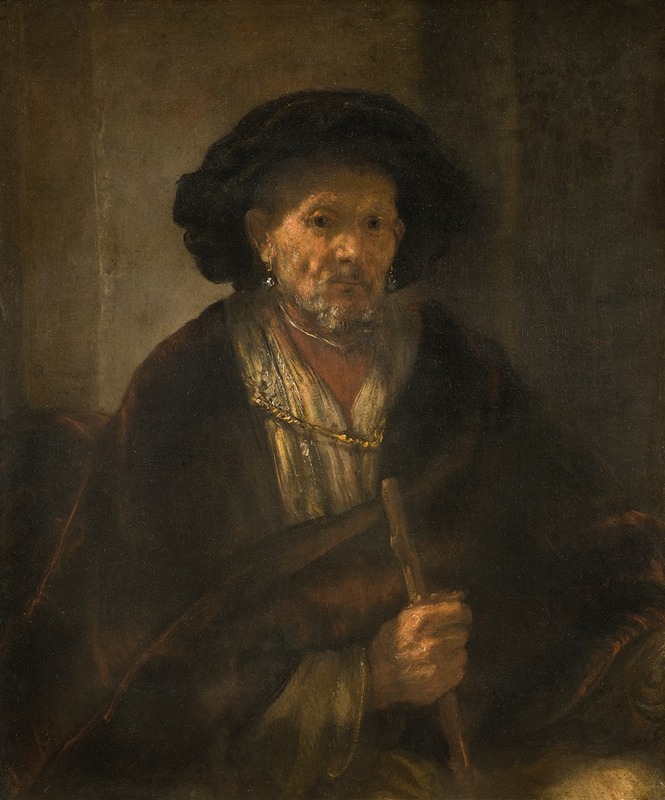
Portrait of an Old Man
Rembrandt van Rijn
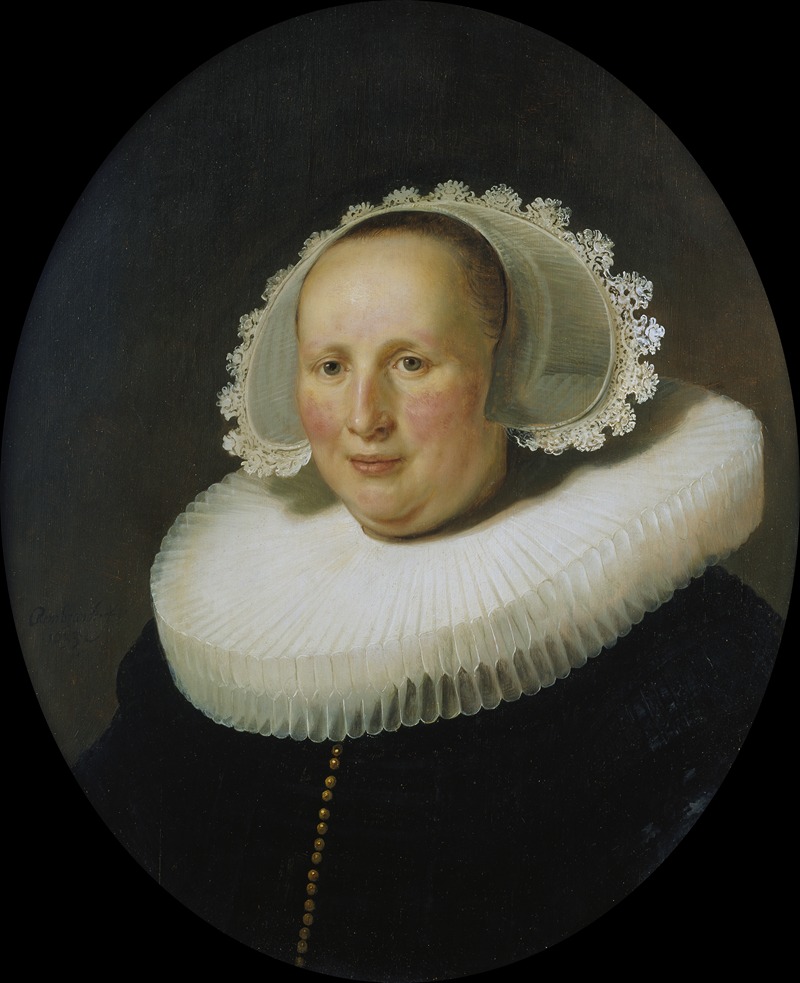
Portrait of Maertgen van Bilderbeecq
Rembrandt van Rijn
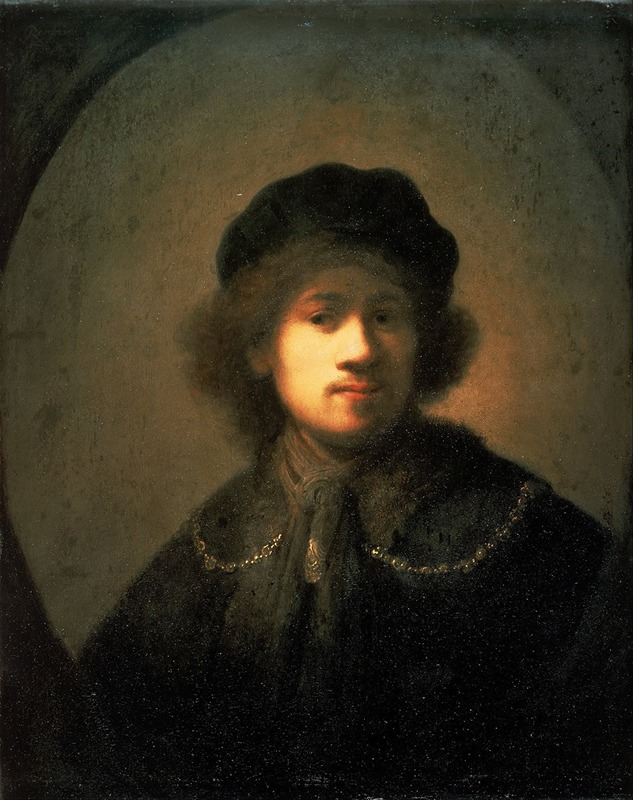
Portrait of the Artist as a Young Man
Rembrandt van Rijn