Returning Peasants in a Spring Evening — History & Facts
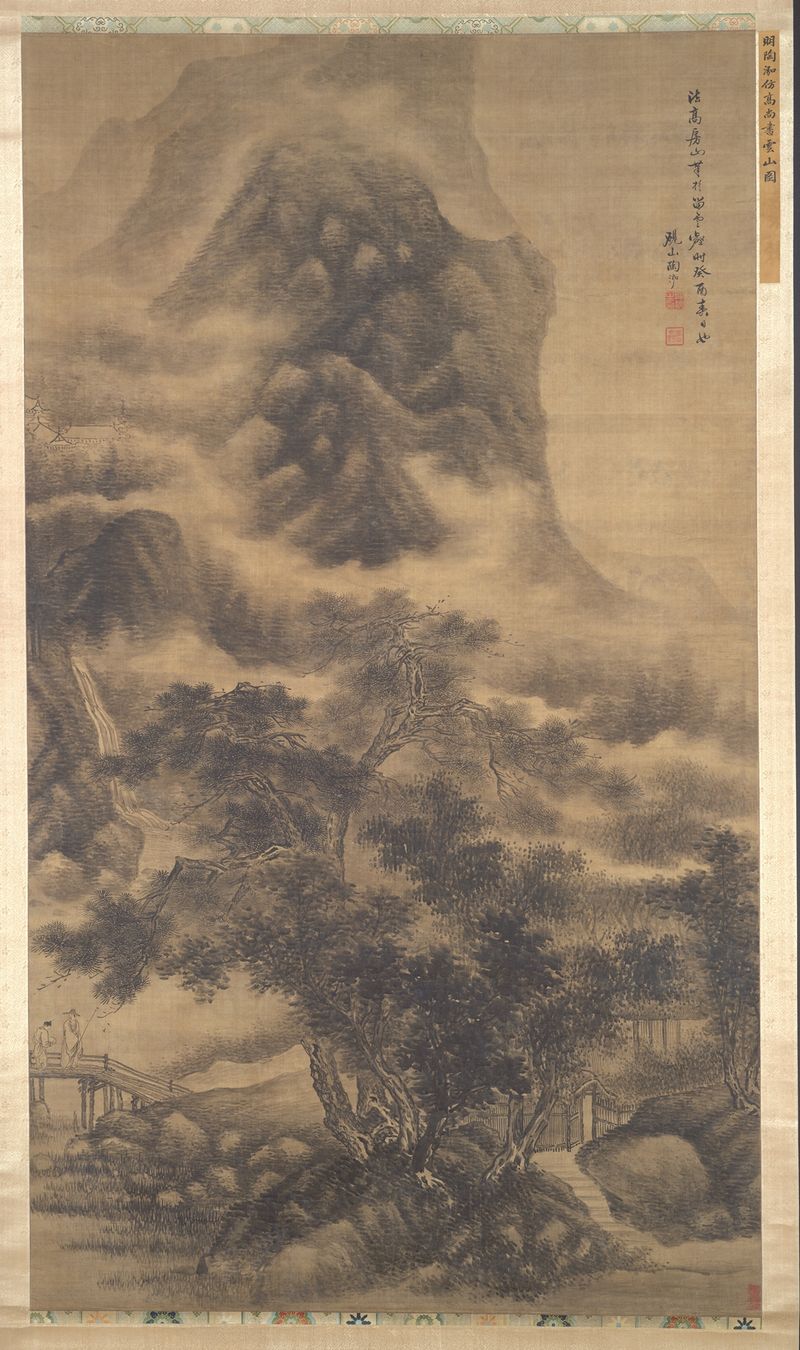
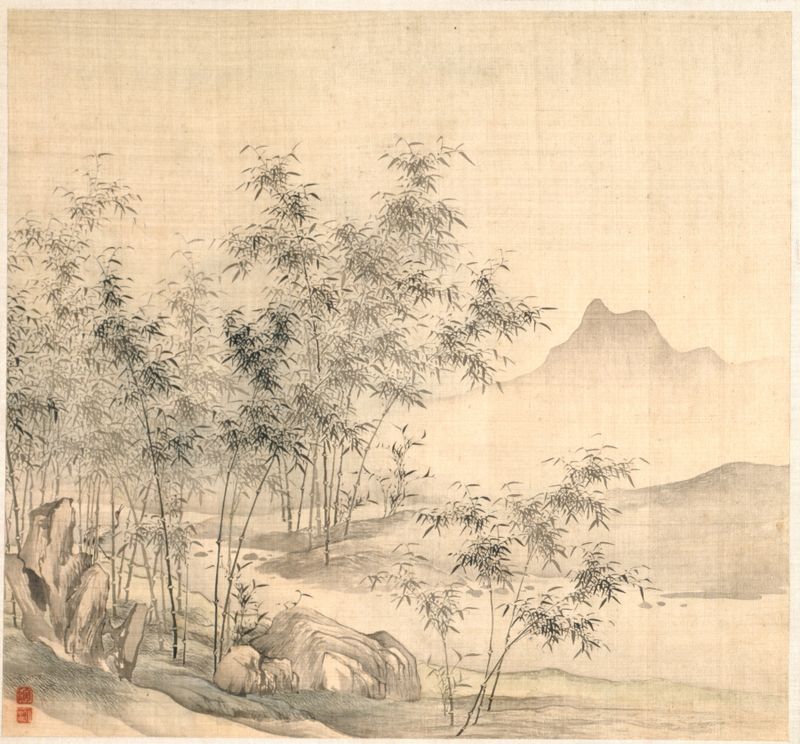
In Returning Peasants in a Spring Evening, the essence of rebirth breathes life into the canvas, encapsulating the quiet resilience of nature and humanity. Look closely at the vibrant greens that pulse with new life and contrast against the deepening twilight sky. The horizon glimmers where the sun sinks, splashing golds and purples across the atmosphere. The peasants, their figures silhouetted against the profound backdrop, evoke a sense of movement and purpose as they journey homeward, carrying the weight of their harvest.
Notice how the artist’s delicate brushwork creates a tapestry of texture on the land, transforming the scene into a living organism, where every element is interconnected. Beneath the surface, the painting unfolds layers of emotional depth. The juxtaposition of light and shadow evokes the duality of struggle and reward, encapsulating the tension between toil and the promise of a new season. The returning peasants represent not just laborers but the enduring human spirit, suggesting that every end carries the seeds of a fresh beginning.
The stillness of the evening contrasts with their dynamic presence, reminding us of the silent rhythms of life that pulse through the world. Tao Hong created this work in the early 1600s, a period marked by significant transformation in China’s socio-political landscape. As the Ming Dynasty faced internal strife and external pressures, artists began to explore themes of nature and humanity’s place within it, reflecting a deeper connection to the cycles of life. This painting captures both a moment in ordinary life and the broader narrative of resilience during a time of change.