
Réunion infernale — History & Facts
In Réunion infernale, vibrant colors dominate the canvas, creating a sense of chaos and energy. The figures are depicted in various poses, suggesting movement and interaction. The setting appears to be a lively gathering, filled with a mix of emotions.
The overall composition draws the viewer into the scene, making them feel part of the action. The painting employs bold brushstrokes and a vivid palette, typical of Jules Pascin's style. The use of color contrasts enhances the emotional intensity of the scene. Viewers can observe the intricate details in the figures' expressions and gestures, which convey a range of feelings.
The work exemplifies the artist's ability to capture human interactions in a dynamic way. Jules Pascin was known for his depictions of bohemian life and the human condition. 'Réunion infernale' reflects his fascination with social gatherings and the complexities of human relationships. An interesting fact about this work is that it showcases Pascin's transition towards more expressive forms, marking a significant evolution in his artistic journey.
This painting is a testament to his unique perspective on the world around him.
More Artworks by Jules Pascin
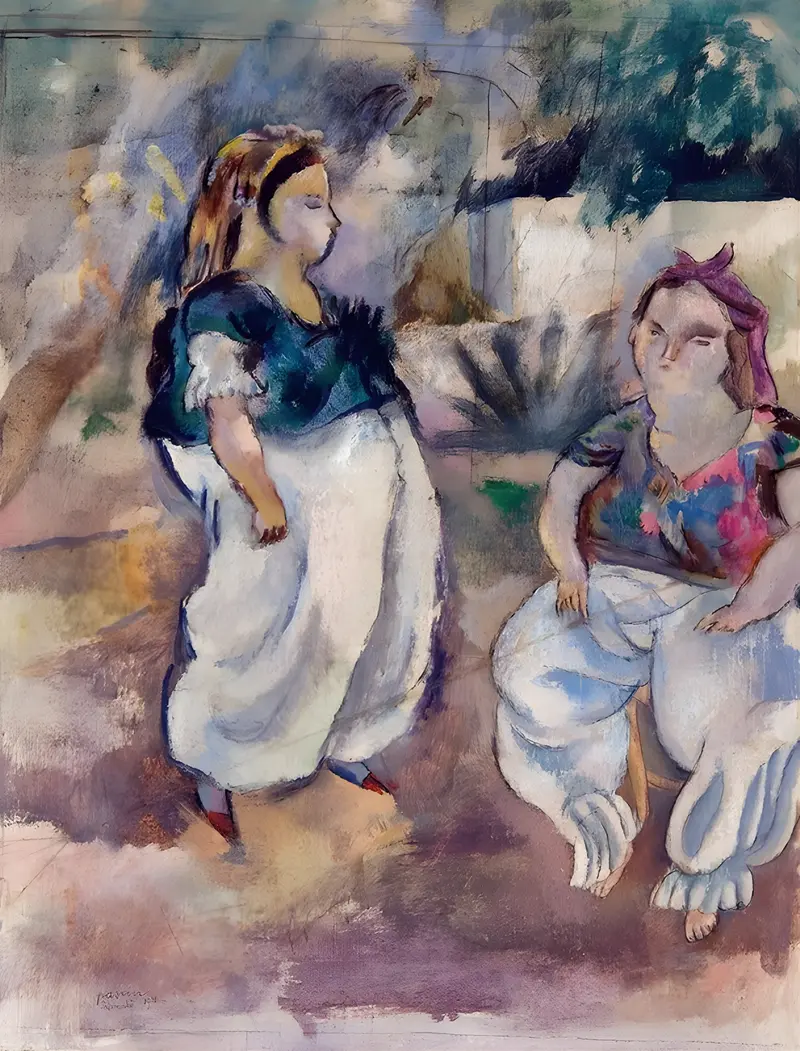
Les Tunisiennes
Jules Pascin
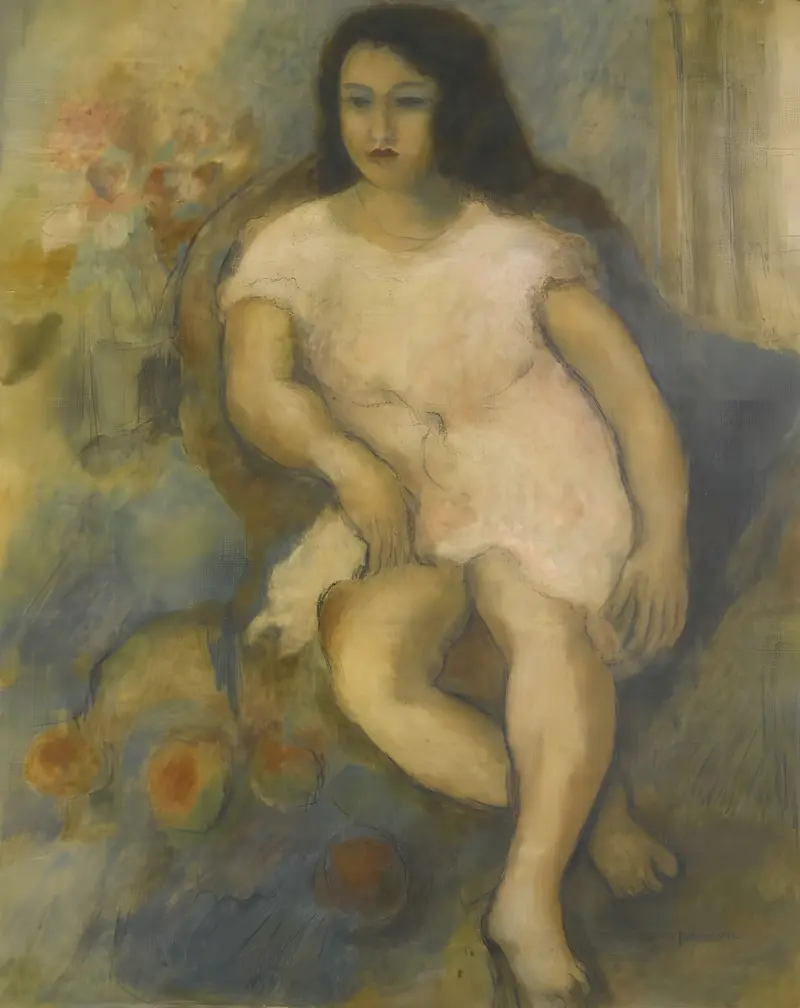
Jeune femme assise
Jules Pascin

Jeune fille en chemise
Jules Pascin

Brune Au Collier Bleu
Jules Pascin
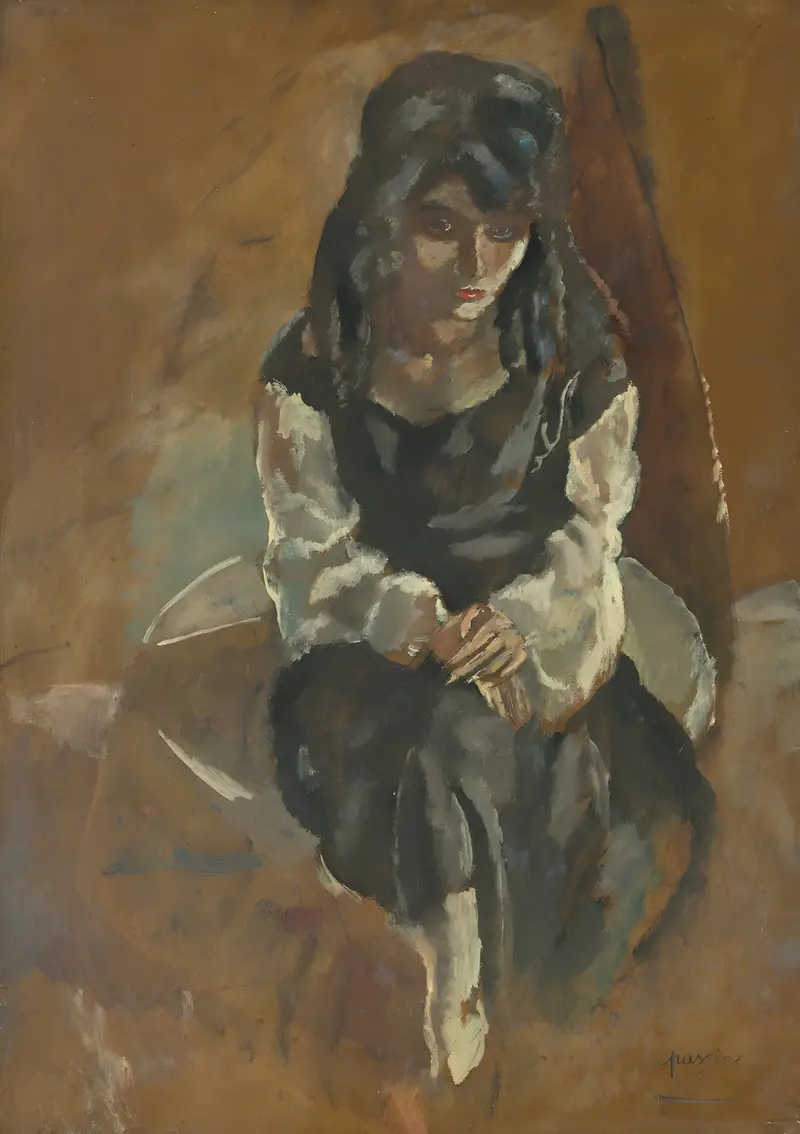
La Princesse persane
Jules Pascin
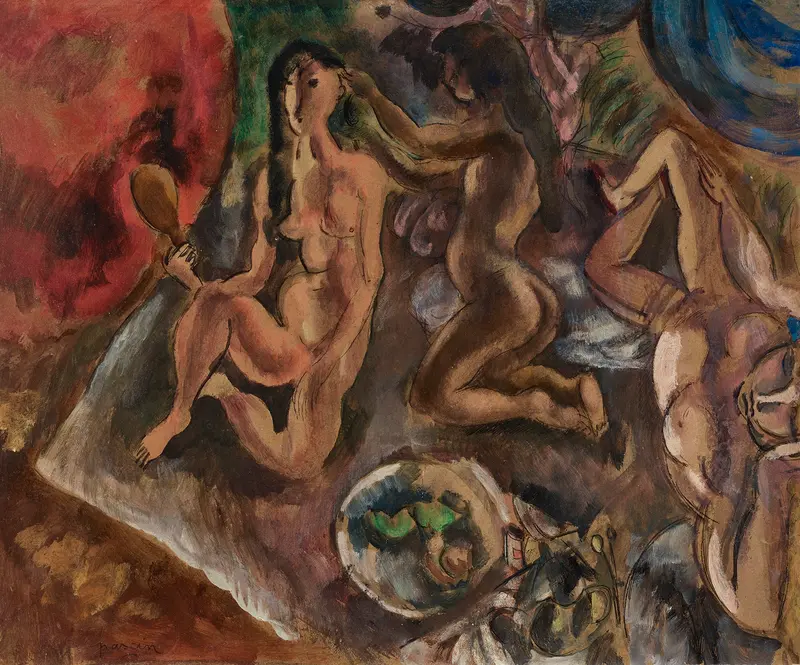
La toilette aux tropiques
Jules Pascin

Le Peintre Et Son Modèle
Jules Pascin
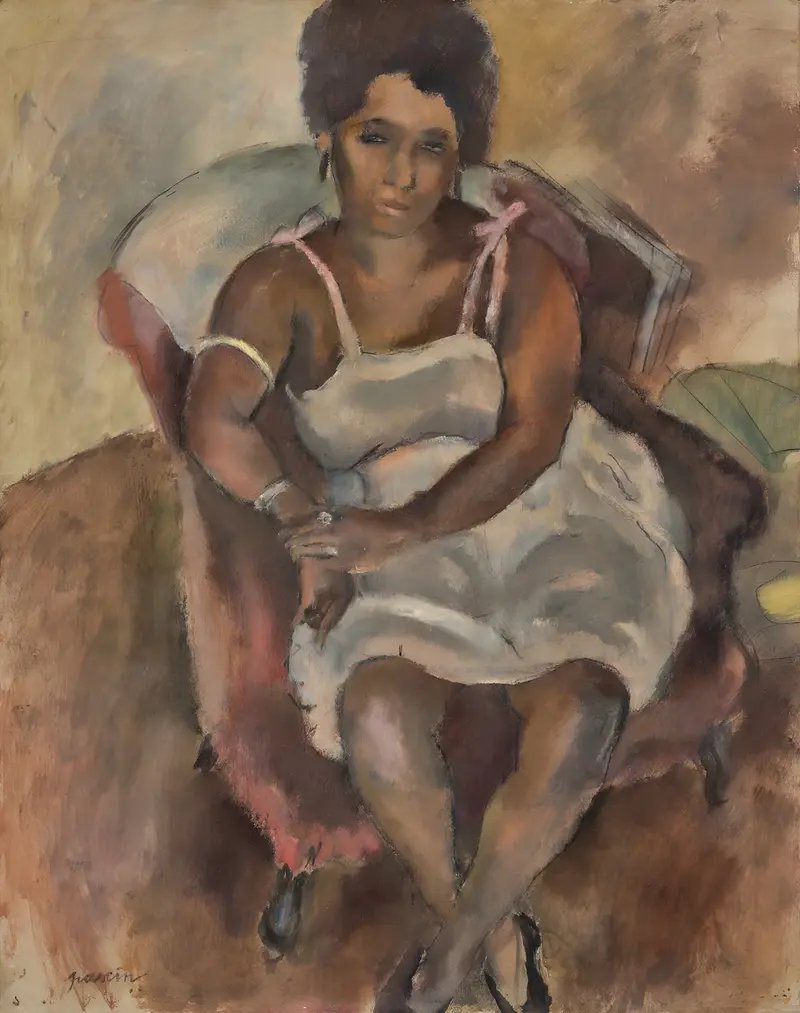
Julie, la Martiniquaise
Jules Pascin
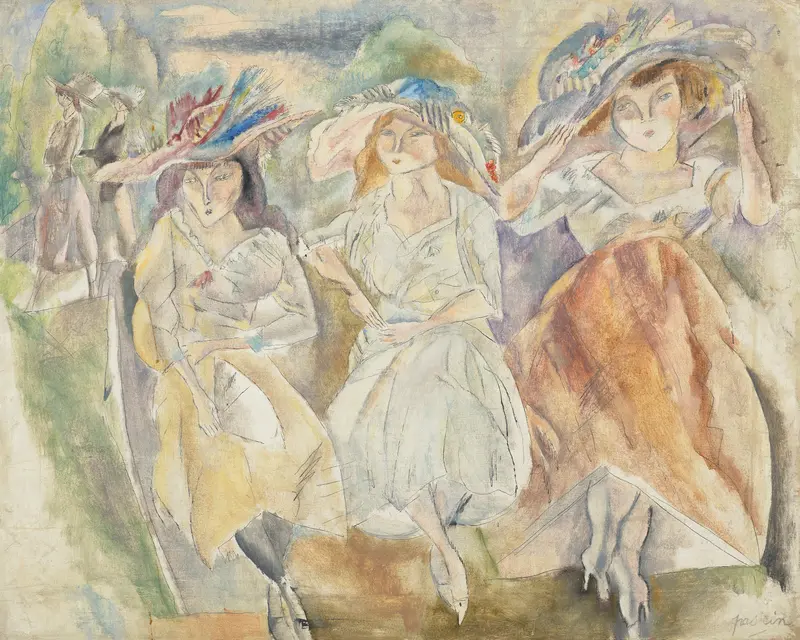
Les grands chapeaux
Jules Pascin
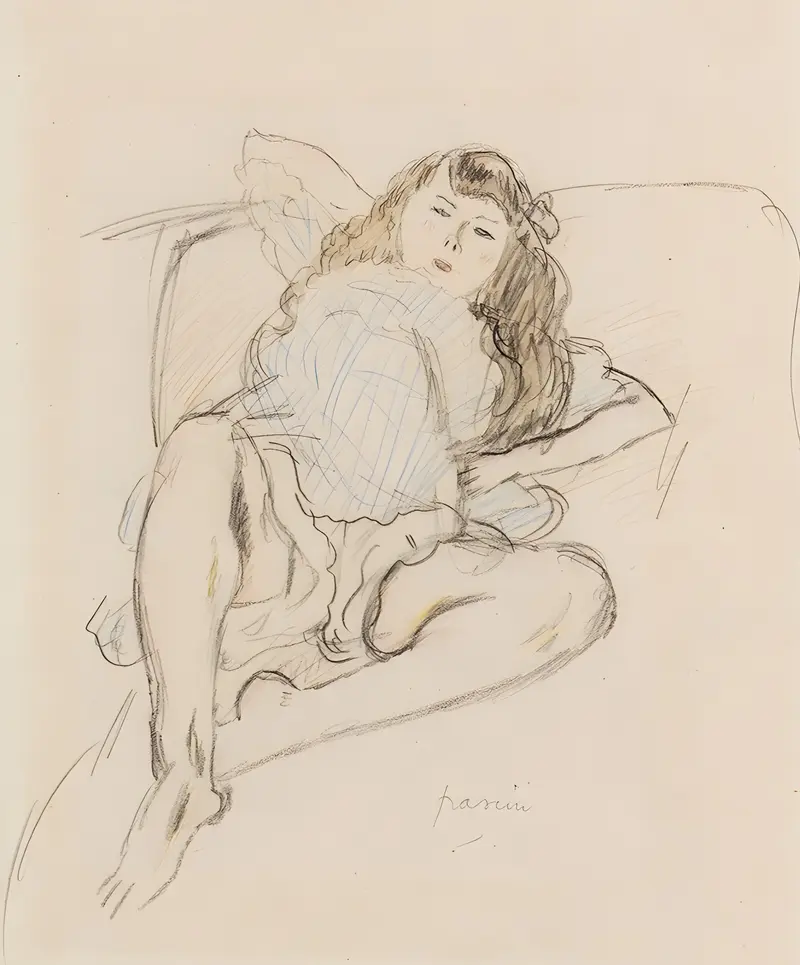
Liegende
Jules Pascin
More Genre Scene Art

Banquet of the Officers of the St George Civic Guard
Frans Hals

Rembrandt and Saskia in the Scene of the Prodigal Son
Rembrandt van Rijn

Bal du moulin de la Galette
Pierre-Auguste Renoir

Quadrille at the Moulin Rouge
Henri de Toulouse-Lautrec

A Burial at Ornans
Gustave Courbet

When Will You Marry?
Paul Gauguin