Richmond — History & Facts
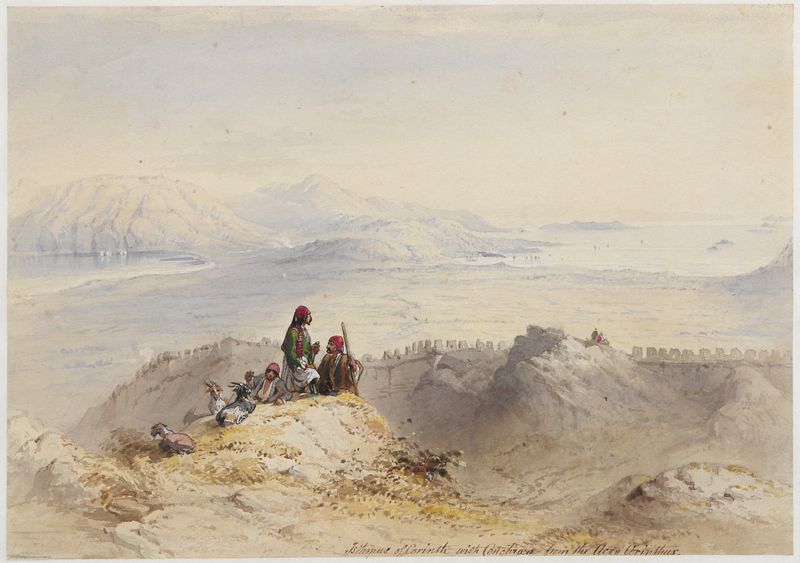
This reflection resonates deeply within the folds of human experience, encapsulating the profound transformations we undergo in pursuit of beauty and meaning. Focus on the intricate details within the landscape; the gentle curves of the hills beckon your gaze toward the horizon. Notice how the soft hues of gold and green merge, creating a delicate dance of light and shadow that captures the essence of a fleeting moment. The artist’s careful brushwork brings texture to the trees and the foreground, inviting you to explore the layered depth of the scene, while the sky above expands into a vast canvas of serene blues, suggesting an endless possibility beyond the immediate. The interplay between light and shadow speaks to the emotional tensions embedded in the scenery.
Each element – the sturdy trees, the flowing river, the distant mountains – embodies the struggle between permanence and transience, hinting at nature’s resilience while acknowledging its fragility. The golden tones suggest warmth and hope, yet they are tinged with an undercurrent of longing. This duality captures life’s complexity, where beauty often emerges from moments of sorrow and transformation. William Henry Bartlett created this piece during a time when he was immersed in the romantic exploration of landscapes.
Working in the mid-19th century, amidst a burgeoning appreciation for nature’s beauty and its depiction in art, he sought to convey the emotional depth of his surroundings. With a keen eye for detail, he transformed his observations into evocative imagery, reflecting not only his artistic vision but also the changing perceptions of the natural world in the Victorian era.