Rolschildering — History & Facts
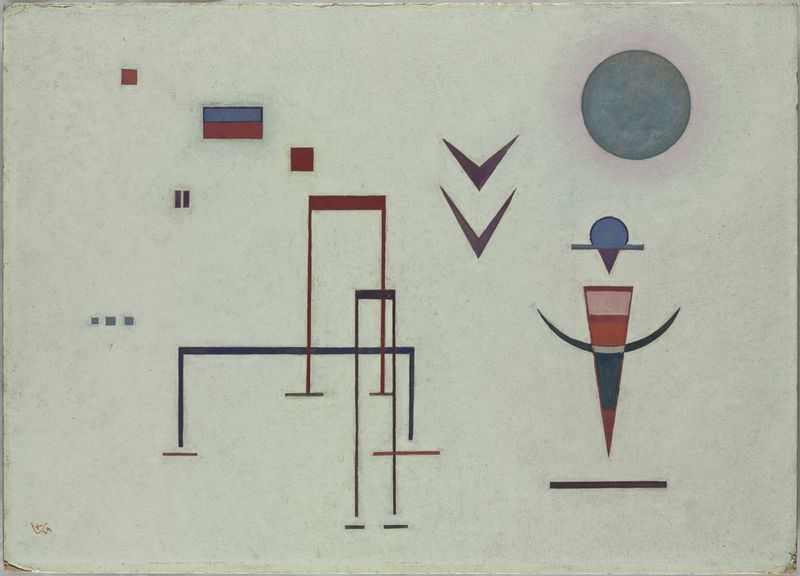
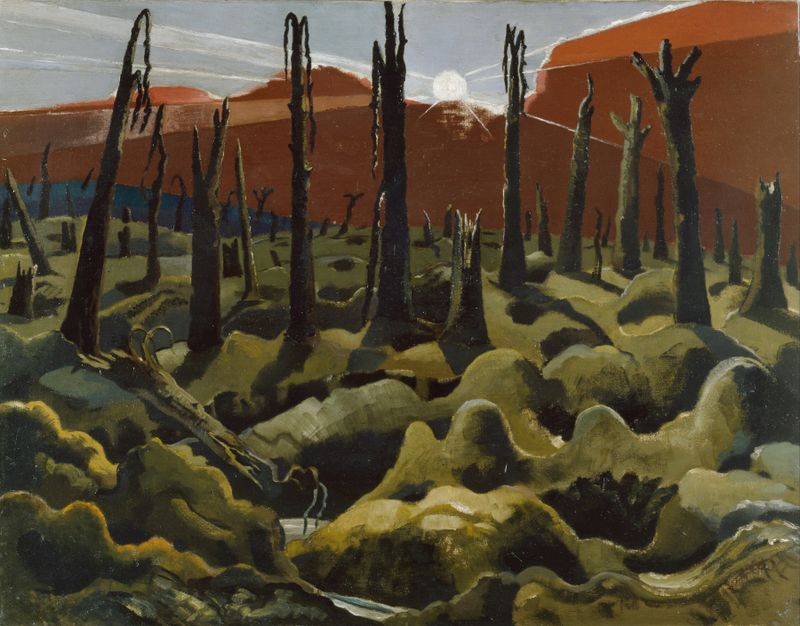
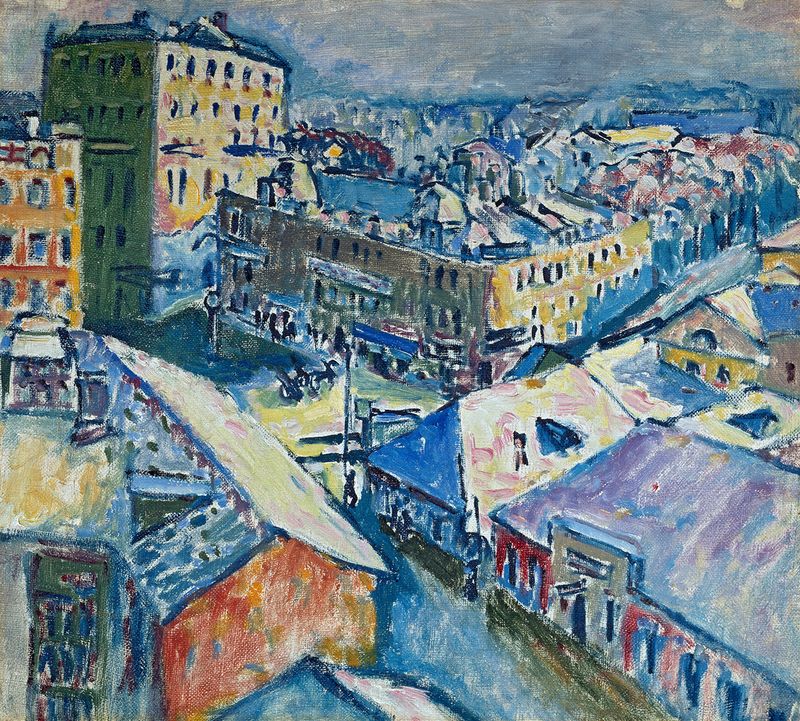
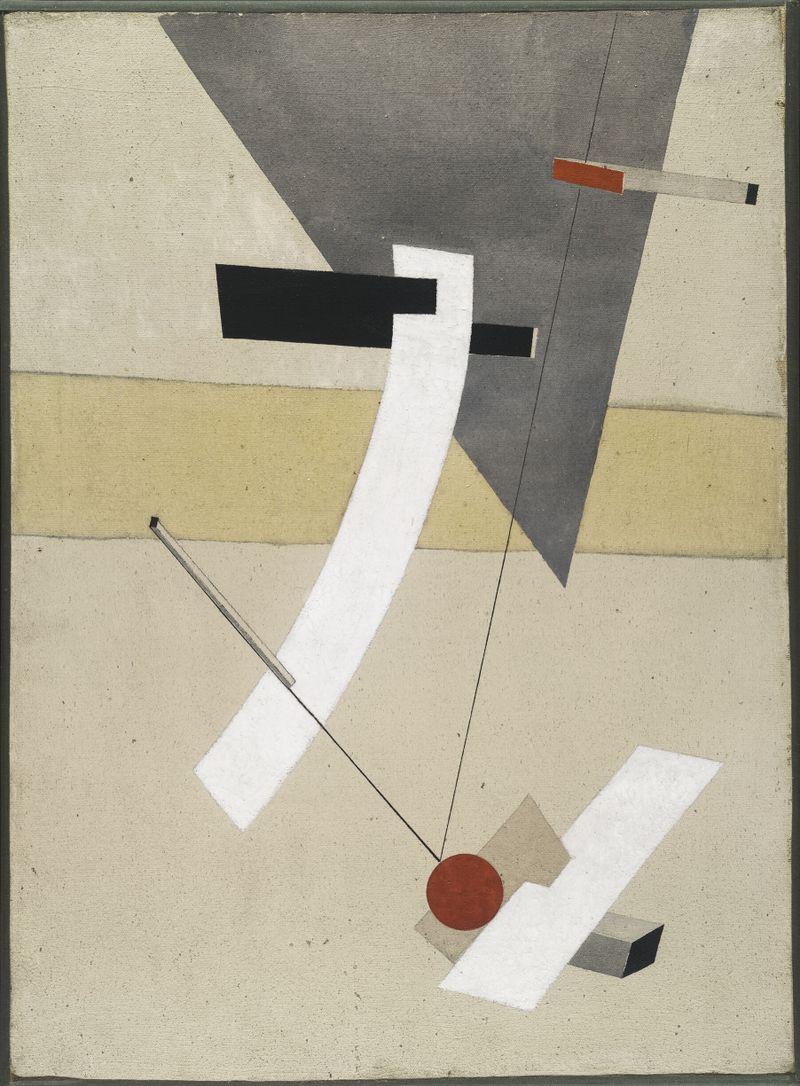
When did color learn to lie? In the depths of vibrant chaos, the canvas becomes an intricate puzzle, woven from hues that pulse with life and disarray. Focus on the swirling patterns, where shades of crimson and cobalt collide, creating a sense of movement that feels almost palpable. Look closely at the edges, where the brush strokes blur and merge, hinting at a deeper turmoil beneath the surface. The chaotic composition elicits a visceral reaction, drawing you in, while the interplay of light and shadow teeters between harmony and discord. At the heart of this vibrant tumult lies a duality—order and chaos, beauty and disarray.
Notice how the contrasting colors speak to one another, each vying for attention yet simultaneously creating a cohesive whole. This painting captures the essence of emotional turmoil, inviting viewers to confront their own experiences of chaos, while the layers of paint evoke a sense of depth and complexity that mirrors human emotion. Created in the late 1700s by Tatsu, this work emerged during a time of artistic experimentation and cultural shift. The artist was known for pushing boundaries, creating dynamic pieces that challenged traditional forms.
As the world around him was steeped in change, his innovative approach to color and form reflected a broader trend in art that sought to capture the tumultuous spirit of the age.