
Rosenborg Slot — History & Facts
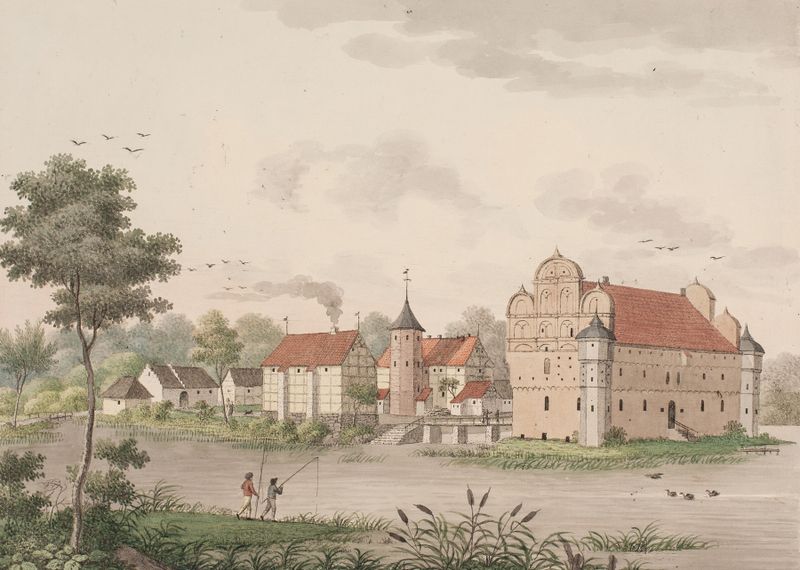
Is this a mirror — or a memory? In Rosenborg Slot, the reflective surfaces invite viewers to question their own perceptions of loyalty and loyalty's shadow: betrayal. Look to the center of the canvas, where a grand castle stands proudly, its turrets reaching toward a brooding sky. The meticulous details of the stonework contrast with the soft, swirling clouds above, drawing your gaze upward. Notice how the lush greenery in the foreground cradles the castle, both protecting and concealing it, hinting at secrets lurking in the shadows.
The sun's golden rays subtly illuminate the structure, creating a warm juxtaposition against the colder tones of the sky, suggesting a dichotomy between appearance and reality. As you delve deeper into the composition, consider the tension created by the castle's reflections in the still water below. Are you witnessing a bastion of stability, or does the water reveal a distorted truth, mirroring the complexities of human nature? The delicate balance of light and dark, the vibrant greens against the somber blues, may signal not just serenity but the precariousness of trust — a theme that resonates with the weight of history and the fragility of alliances. During the late 18th and early 19th centuries, Rosenborg Slot emerged from the artistic vision of Søren L. Lange, who painted this work while living in Denmark.
At a time when Romanticism was starting to take hold, his focus on architecture and landscape responded to a growing fascination with national identity and heritage. This period marked a transformative phase in both his life and the broader art world, as artists began to explore emotional depth and personal narratives within their work.
More Artworks by Søren L. Lange
Browse all →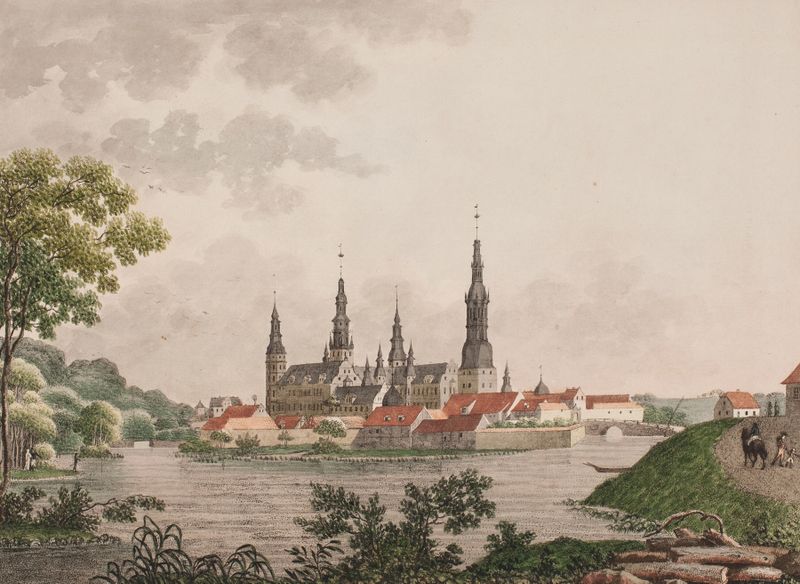
Prospekt af det kongelige slot Frederiksborg på Sjælland
Søren L. Lange
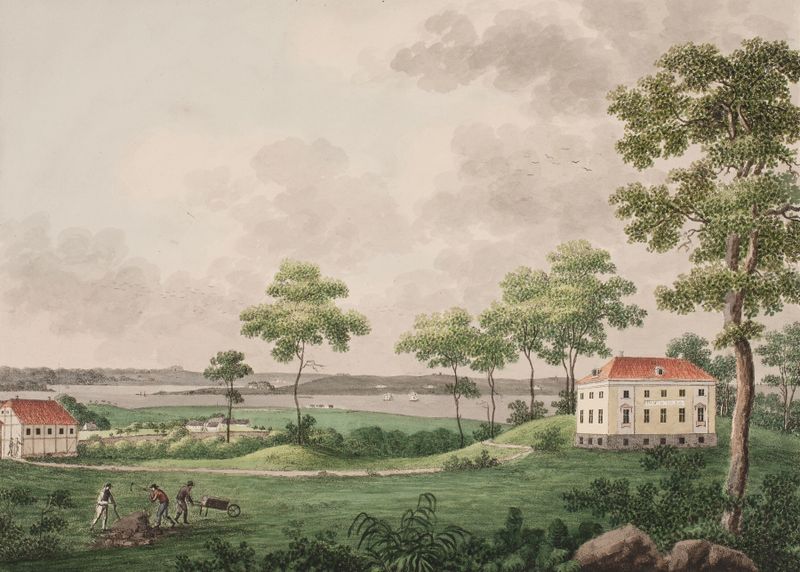
Udsigt af en Parcelle ved Grønsund på Falster under det Classenske Agerdyrknings Institut
Søren L. Lange
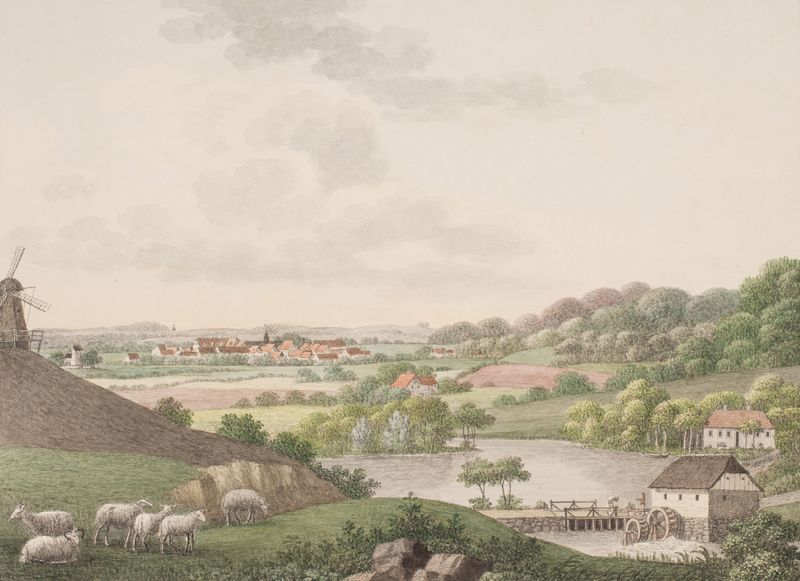
Christiansfeld, fra den østlige side
Søren L. Lange
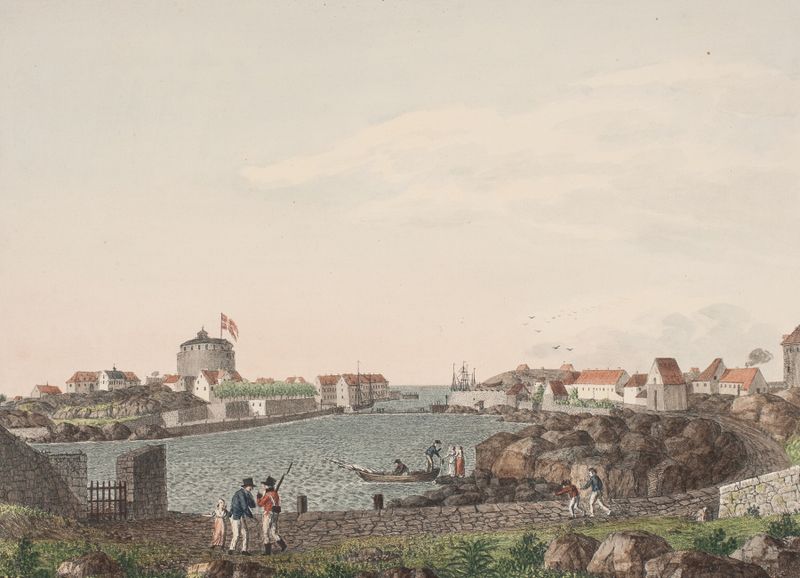
Christiansø. Nordhavnen
Søren L. Lange
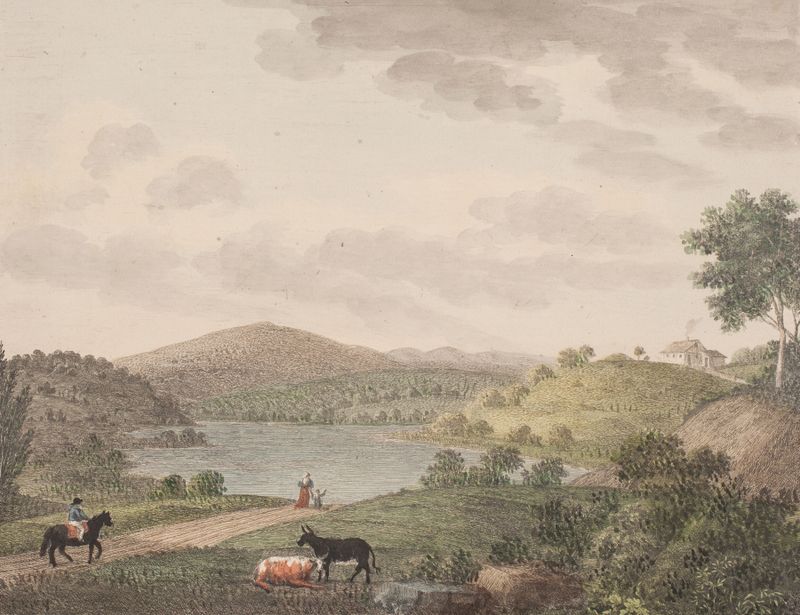
Aborrebjerget. En udsigt på Møn
Søren L. Lange
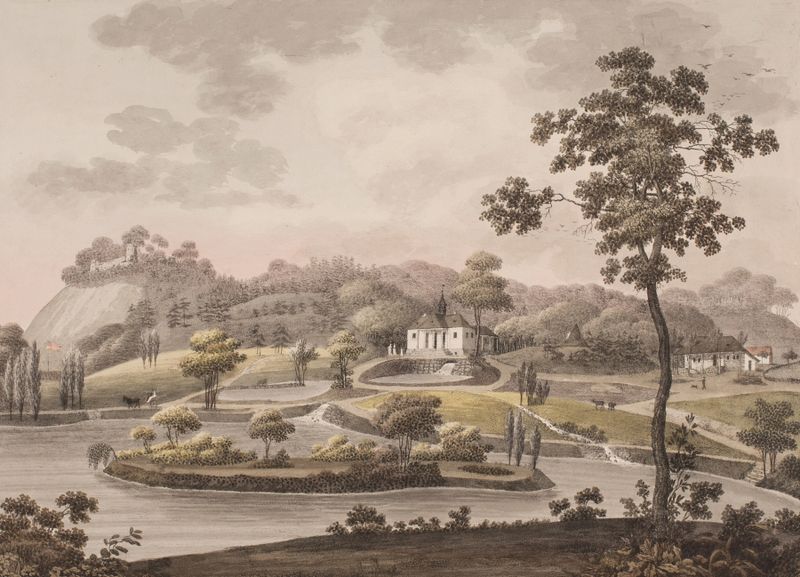
Liselund på Møn i Danmark
Søren L. Lange
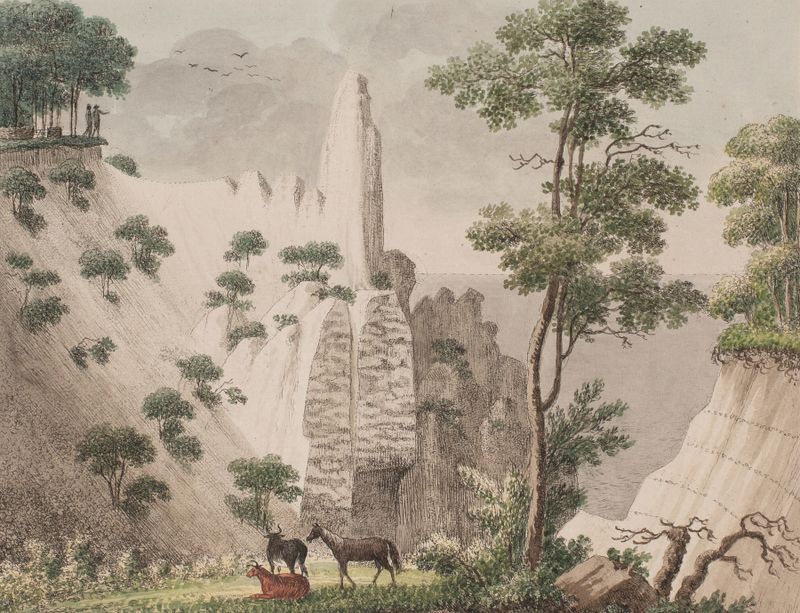
Udsigt af Sommerspiret i kridtbjergene på Møn
Søren L. Lange
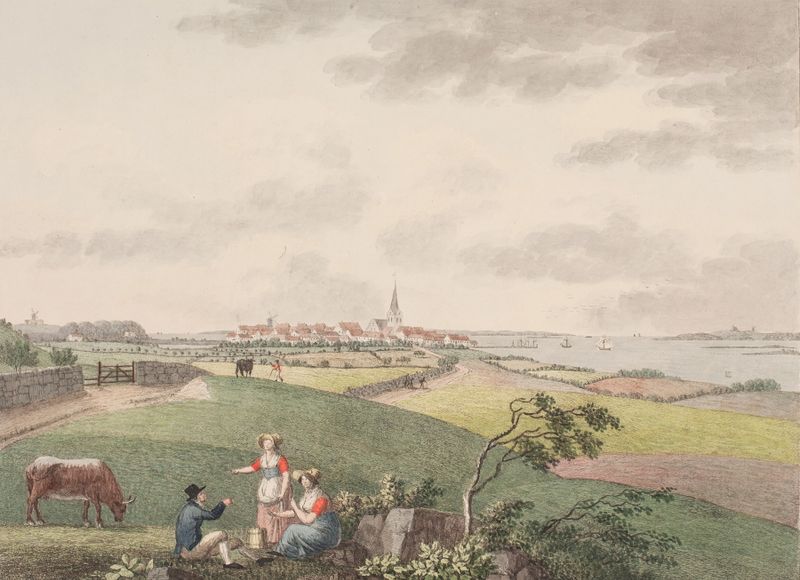
Rudkøbing på Langeland
Søren L. Lange
Hesselagergaard på Fyn
Søren L. Lange
En udsigt ved Liselund på Møen
Søren L. Lange





