
Rotes Dach — History & Facts
Who listens when art speaks of silence? In the hushed whispers of color and form, profound loss can resonate more deeply than words ever could. Focus on the bold red roof that dominates the scene, drawing your gaze like a beacon amidst the muted greens and browns. Notice how the vibrant hue contrasts with the surrounding landscape, infusing a sense of urgency and life, yet simultaneously evoking an underlying tension. The brushstrokes are deliberate, revealing Segal's mastery in using color to convey emotion; the thick, textured paint seems to pulsate with the weight of unexpressed feelings. Delve into the intriguing contrasts present in the artwork.
The stark vibrancy of the red roof stands in poignant juxtaposition to the tranquil, almost somber landscape, suggesting a memory that is both cherished and haunting. The absence of human figures amplifies this sensation of loneliness, while the gentle undulations of the terrain evoke a sense of hidden narratives waiting to be uncovered. Each element is meticulously crafted, offering layers of meaning that speak to the fragility of existence and the echoes of what once was. Arthur Segal created Rotes Dach in 1910 while living in Germany, a time marked by significant shifts in artistic movements.
The artist was deeply influenced by Expressionism, seeking to express complex emotions through vivid colors and forms. This period in his life was characterized by a search for identity and meaning, reflecting the broader struggles of society as it grappled with change and uncertainty.
More Artworks by Arthur Segal
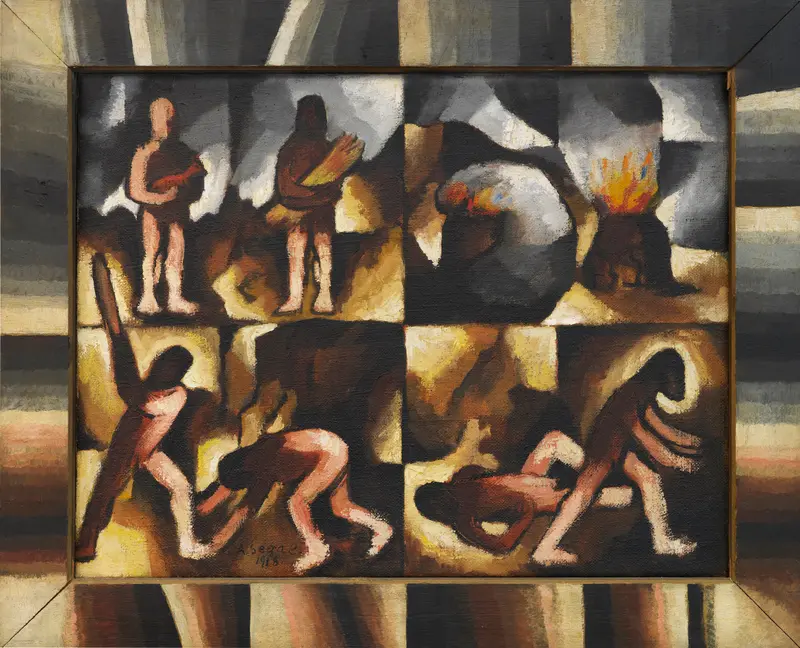
Kain und Abel (Zyklus Altes Testament)
Arthur Segal
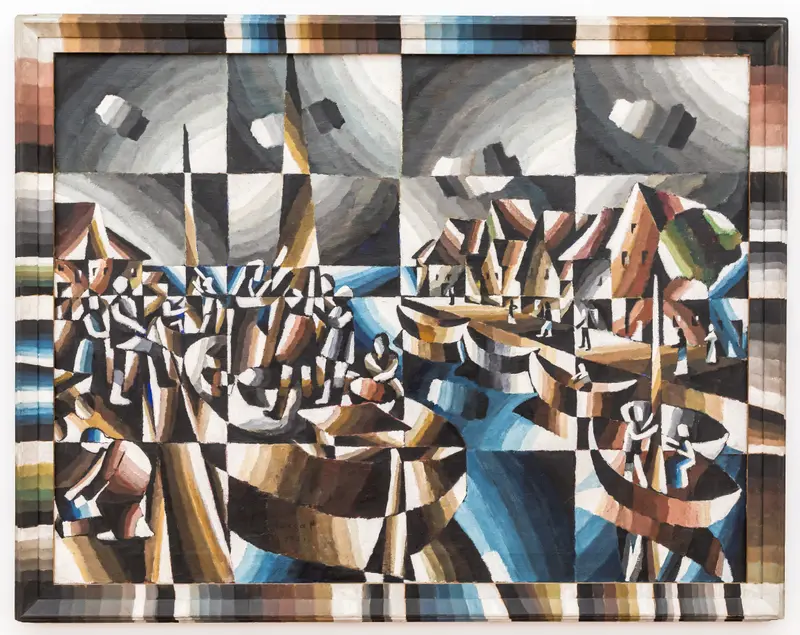
Der Hafen Museum Ludwig
Arthur Segal
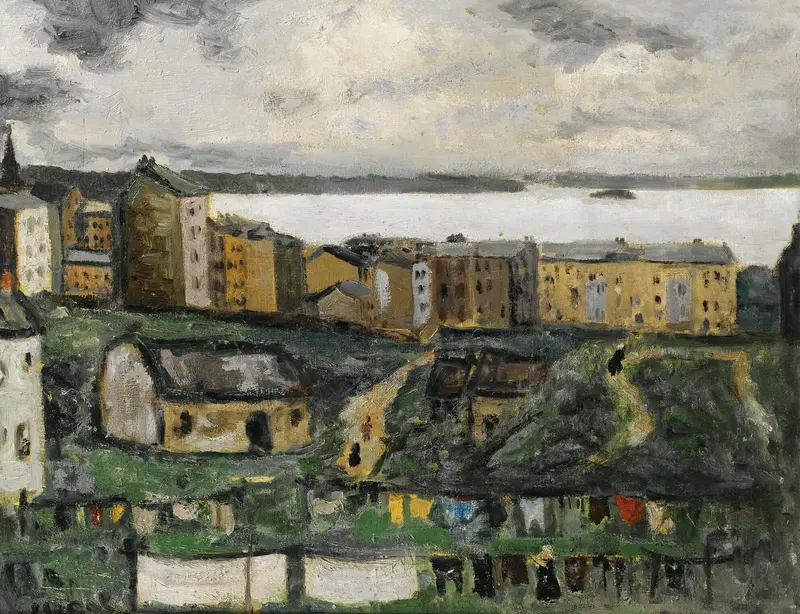
Village View
Arthur Segal
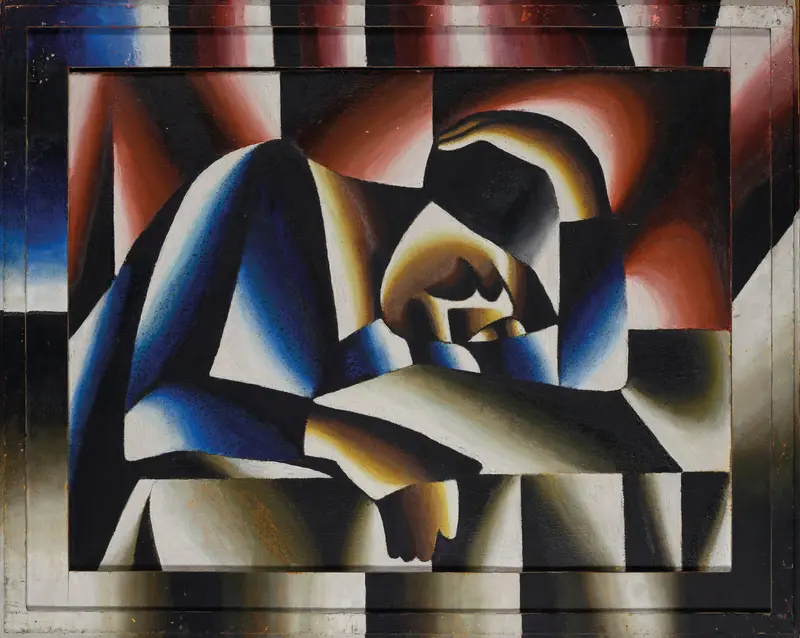
Sleeping woman
Arthur Segal
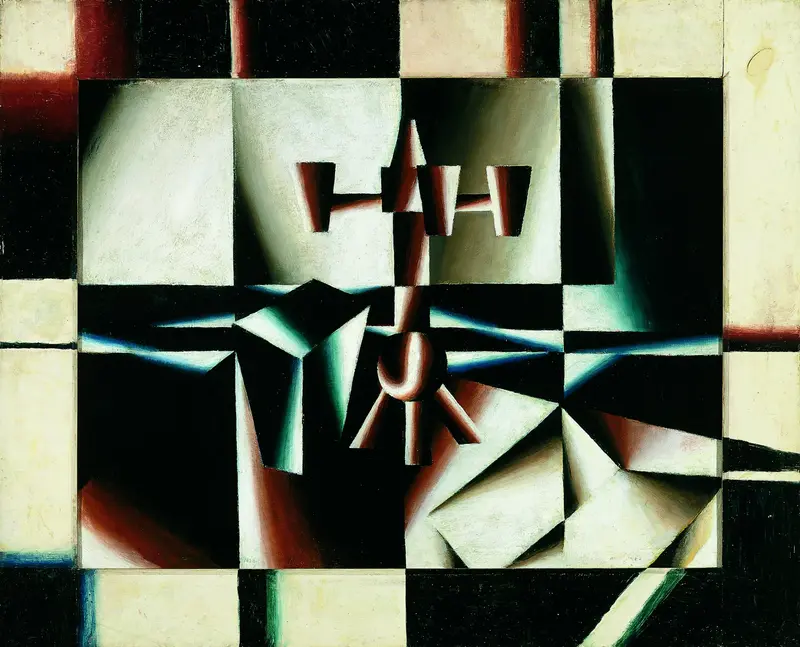
Still-Life with Candelabrum and Box
Arthur Segal
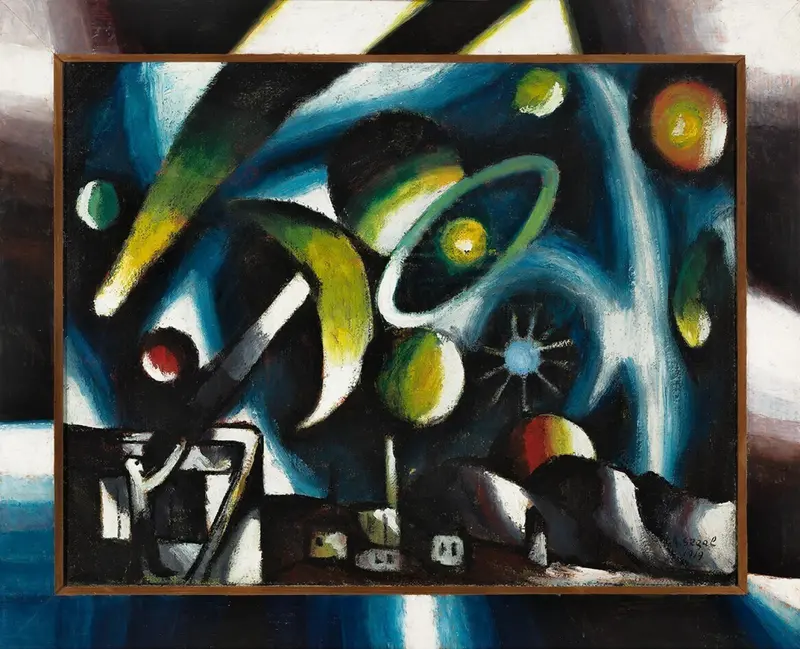
Der Astronom (Zyklus Arbeit)
Arthur Segal
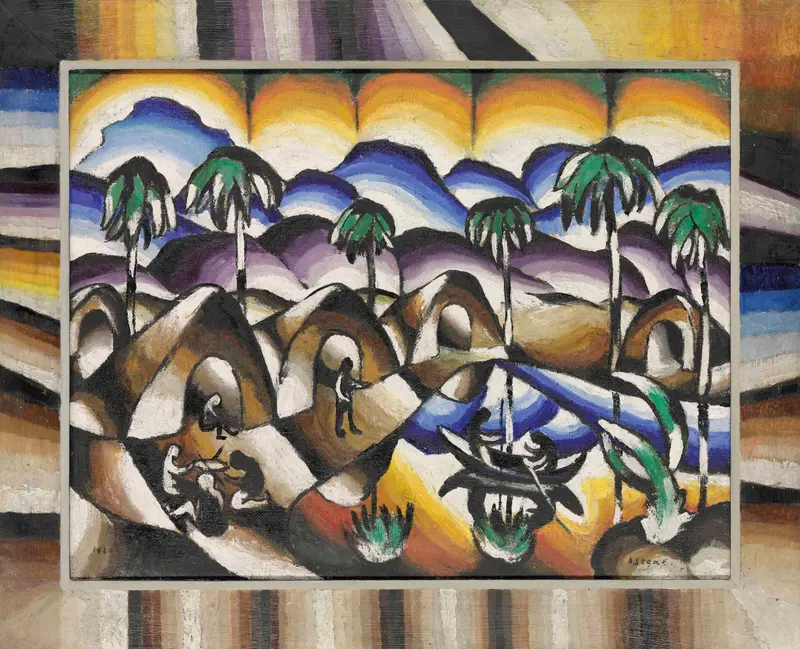
Ein Dorf
Arthur Segal
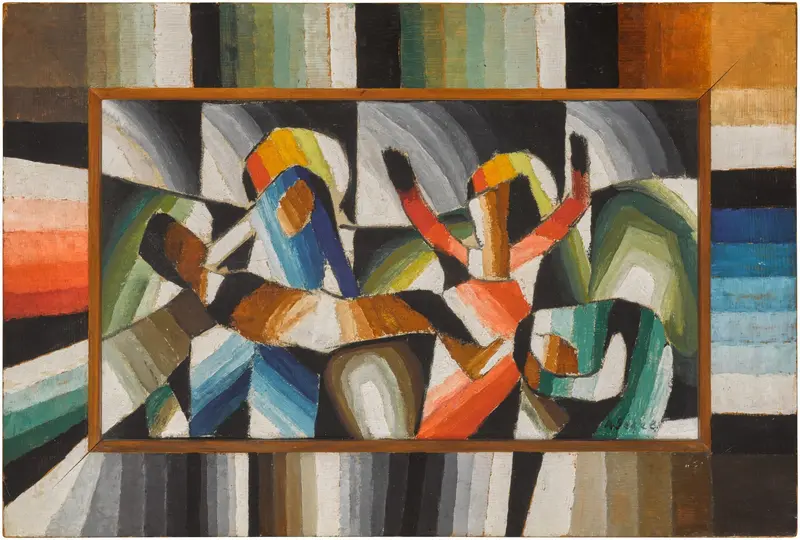
Pietà
Arthur Segal

Ein Tag
Arthur Segal
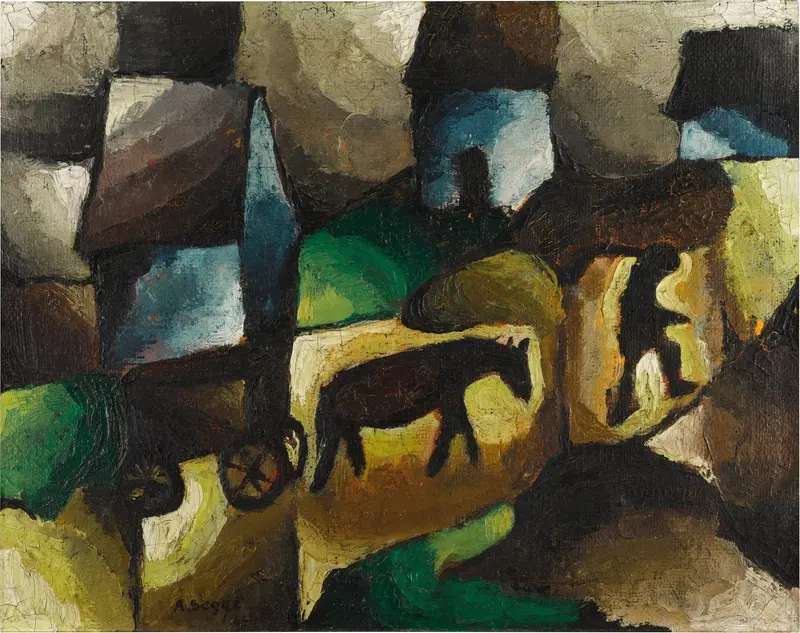
Arthur Segal: Man, Horse, Wagon
Arthur Segal
More Landscape Art

The Starry Night
Vincent van Gogh

View of Delft
Johannes Vermeer

Water Lilies
Claude Monet

The Grand Canal, Venice, looking north-west from the Ca' Corner to the Ca' Contarini degli Scrigni, with the campanile of Santa Maria della Carità
Canaletto

Windsor Castle
Canaletto

The Grand Canal looking North-East from the Palazzo Dolfin-Manin to the Rialto Bridge
Canaletto