Round box with floral scrolls — History & Facts
When did color learn to lie? In a world where beauty often disguises sorrow, the delicate artistry of porcelain reveals layers of loss hidden beneath its vibrant surface. Focus on the intricate floral scrolls that dance around the box’s perimeter, alive with hues of azure and amber. Look closely at the subtle brushwork that captures the essence of each petal, as if they whisper secrets of forgotten gardens. The glossy finish reflects light with an almost deceptive allure, inviting the viewer to appreciate its beauty while simultaneously evoking a sense of transience. Yet, beneath this surface charm lies a quiet melancholy.
The flowers, so meticulously crafted, can also suggest the fleeting nature of life and the inevitability of decay. The round shape of the box, while harmonious, hints at cycles—of seasons, of memories, of things cherished that ultimately fade away. This tension between beauty and the ephemeral lingers, reminding us that what is visually stunning may also hold deeper narratives of loss and yearning. Crafted around 1650, this piece emerged during a time when decorative arts flourished in Europe, reflecting the wealth and culture of the period.
As artists experimented with techniques and materials, this unknown creator harnessed both skill and sentiment, capturing the spirit of an era that valued exquisite craftsmanship while quietly grappling with its own impermanence.
More Artworks by Unknown Artist
Browse all →
Ridder, Dood en Duivel
Unknown Artist
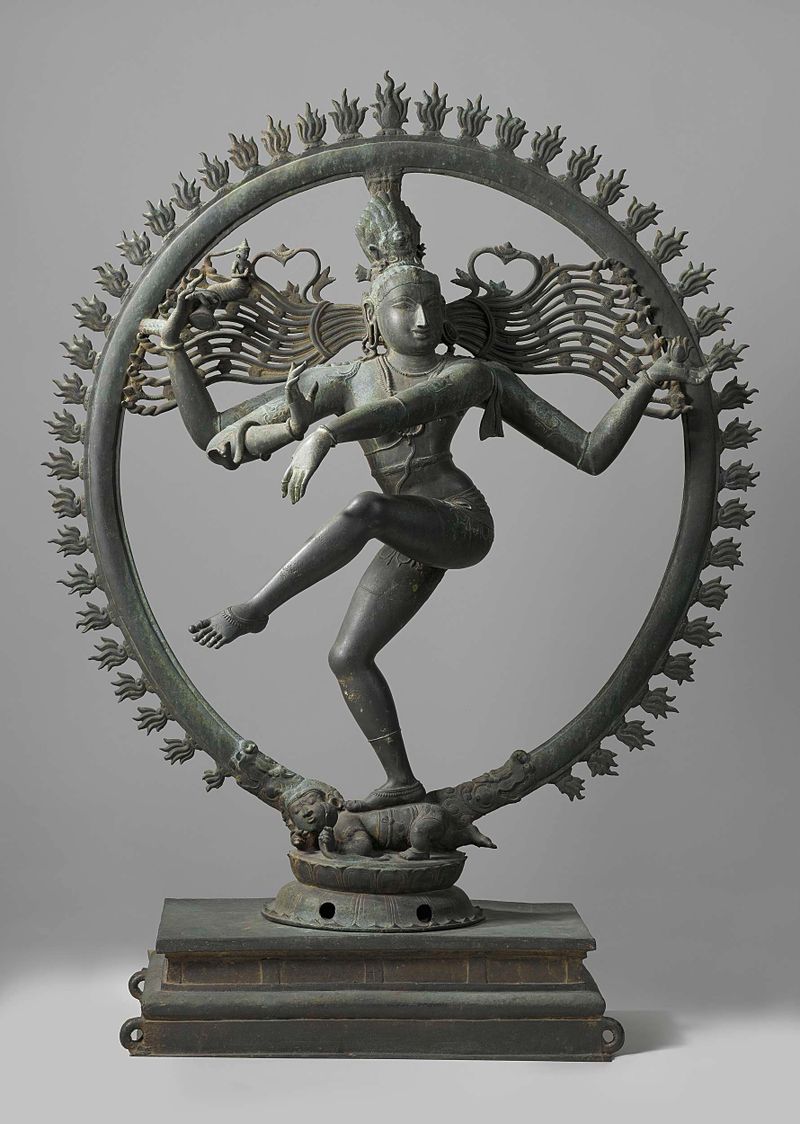
Shiva Nataraja
Unknown Artist
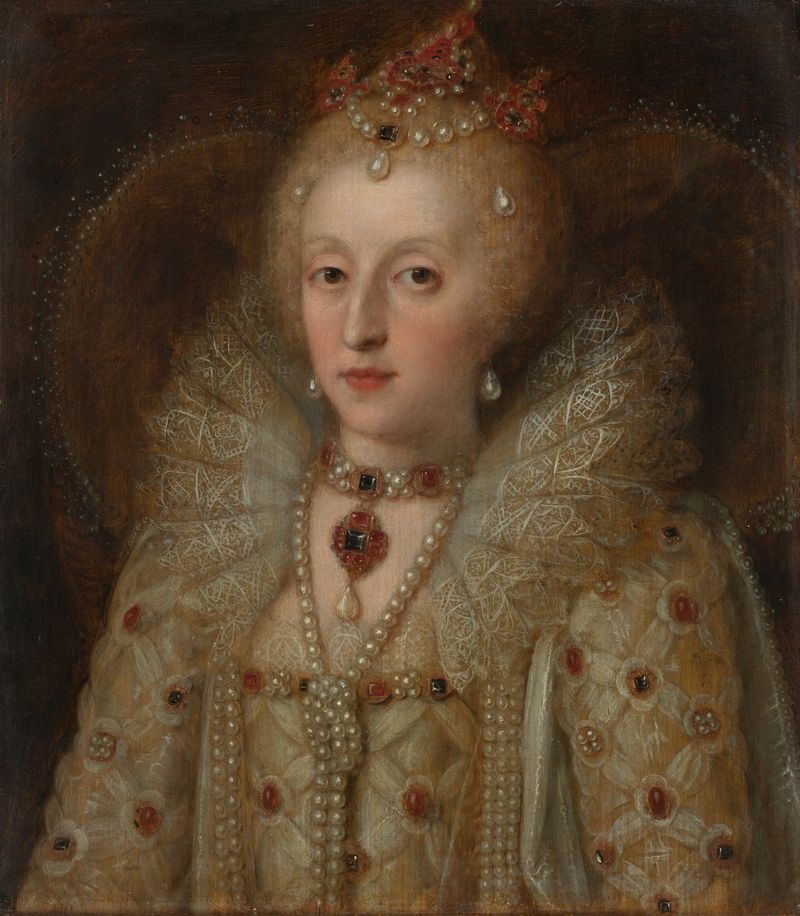
Portrait of Elizabeth I, Queen of England
Unknown Artist
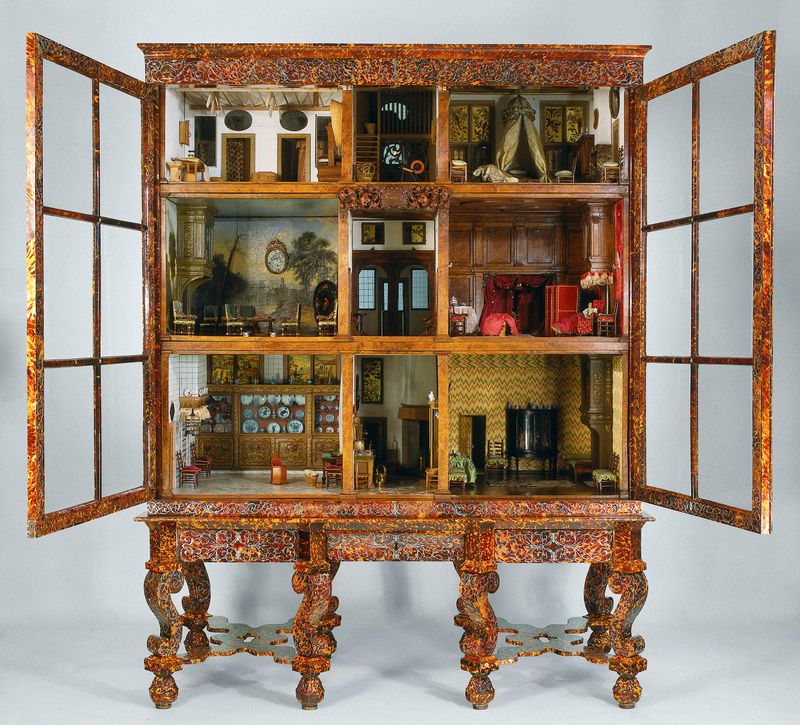
Dolls’ house of Petronella Oortman
Unknown Artist
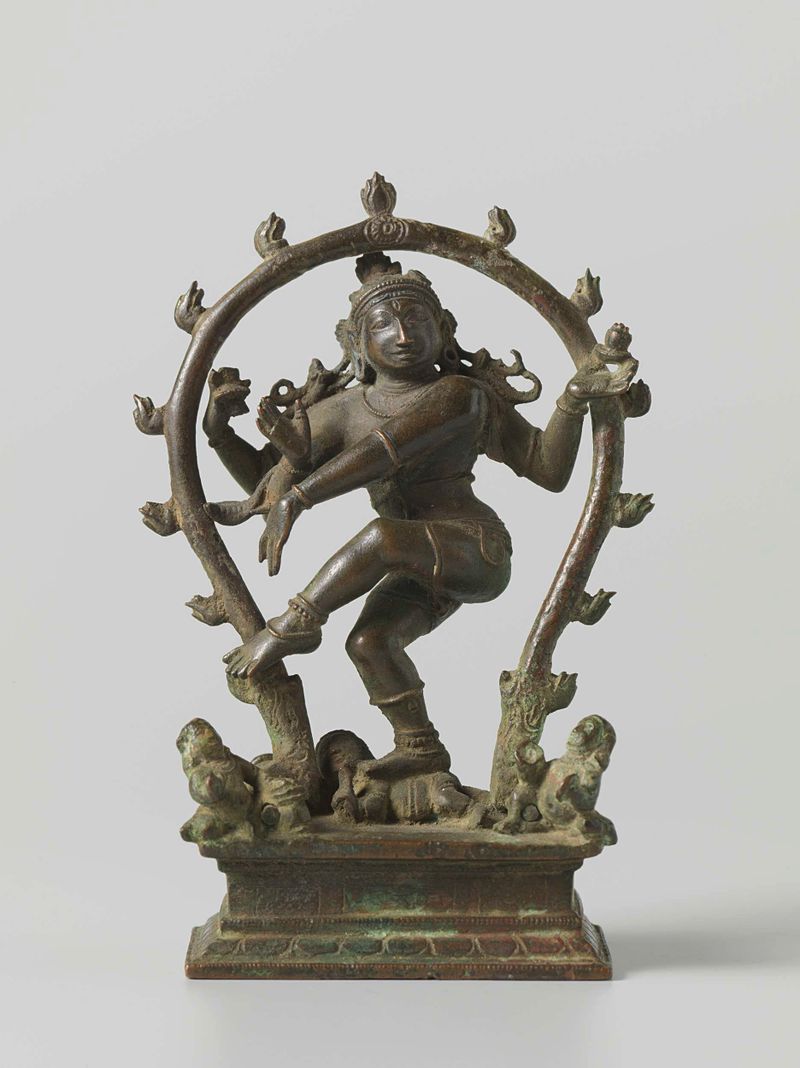
Shiva Nataraja
Unknown Artist

The Tale of Genji
Unknown Artist

The Tale of Genji
Unknown Artist

Cong
Unknown Artist
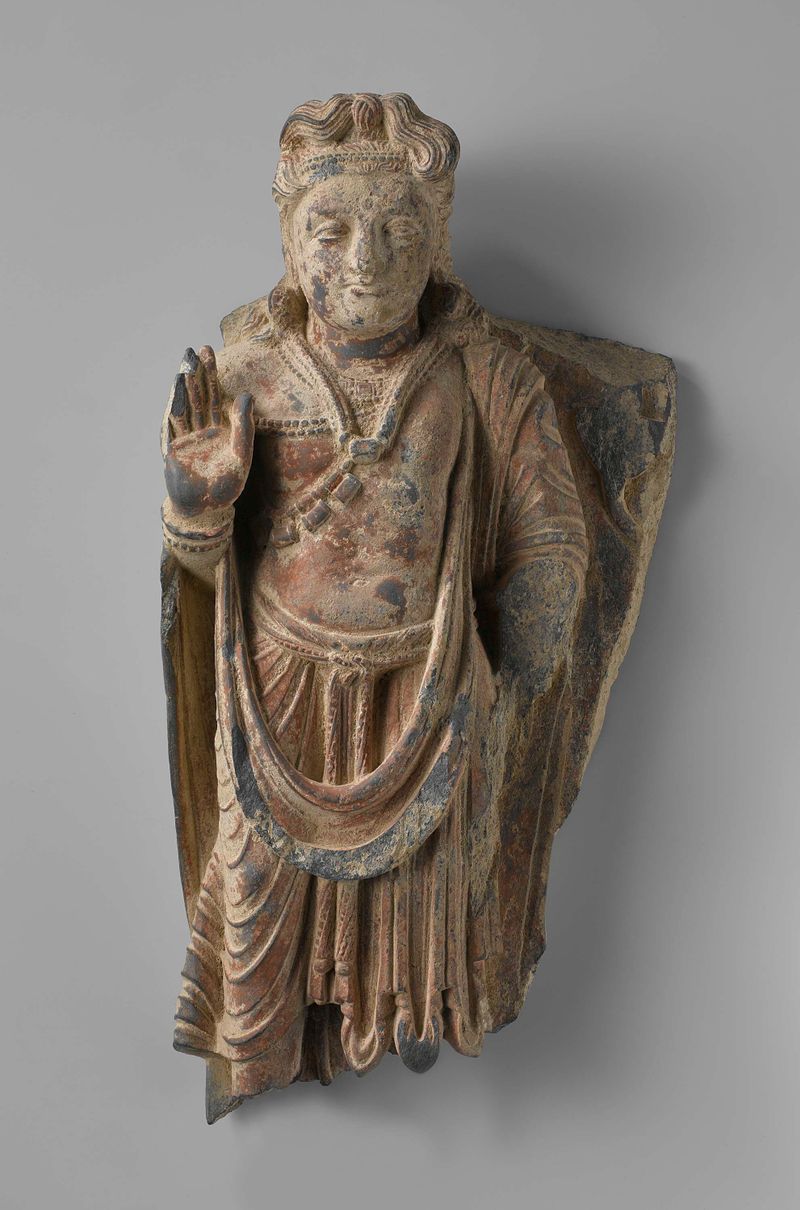
The bodhisattva Maitreya
Unknown Artist

Teabowl with a 'hare's fur' glaze
Unknown Artist