
Rue du Four Nº8 à 16, 6ème arrondissement — History & Facts
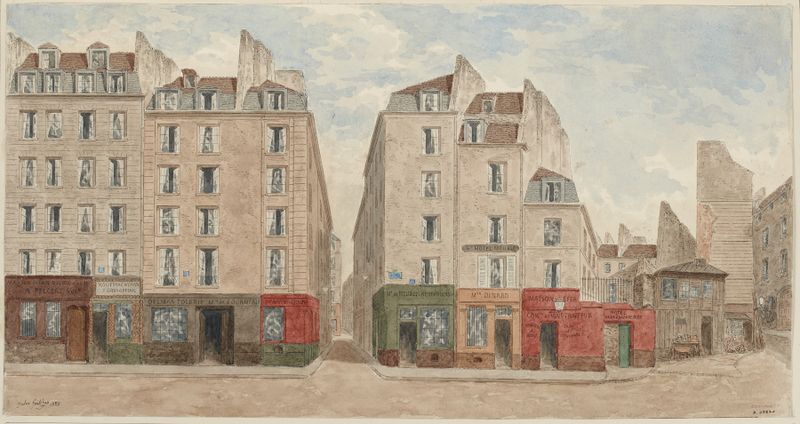
In its stillness, it echoes the profound isolation of modern existence, inviting reflection on the spaces we inhabit and the solitude they often conceal. Look to the left at the muted facade of the building, where the gentle play of light creates an atmosphere both inviting and melancholic. The subtle hues of grey and ochre blend with shadows that stretch across the pavement, inviting your gaze to linger on the empty windows, each one a silent witness to untold stories. Notice how the empty street serves as a canvas of absence, where the lack of human presence amplifies the sense of desolation, inviting contemplation on what is left unsaid. The juxtaposition of architectural solidity and emotional fragility resonates throughout the piece.
Each shuttered window hints at the lives once lived within, while the absence of figures reinforces an unsettling quietude. This interplay between presence and void provokes a visceral response, urging viewers to confront their own feelings of loneliness amidst the bustling chaos of city life. Here, the ordinary becomes a reflection of universal longing. Created in the late 19th century, Rue du Four Nº8 à 16, 6ème arrondissement emerged during a period when Paris was undergoing rapid transformation and modernization.
Jules Gaildrau painted this work during a time of personal and artistic exploration, where the balance between changing urban landscapes and individual isolation became a focal theme for many artists responding to the shifting tides of society. As the city evolved, so too did the expressions of solitude and longing within its heart.
More Artworks by Jules Gaildrau
Browse all →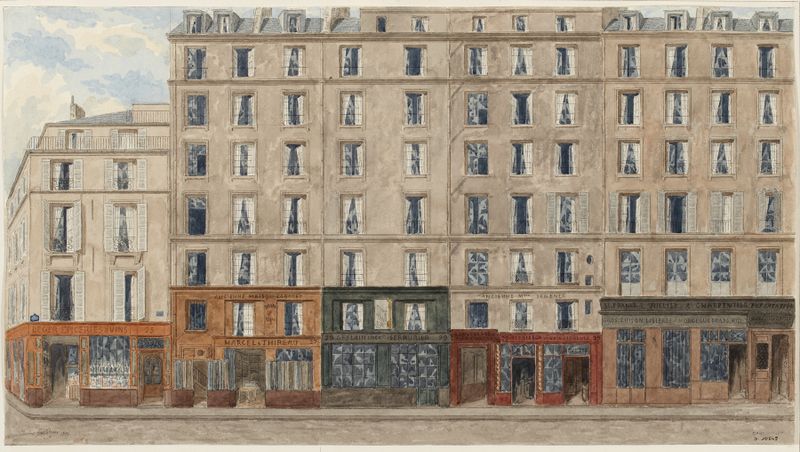
Rue des Deux-Ecus Nº25 à 31 (actuelle rue Berger), 1er arrondissement
Jules Gaildrau
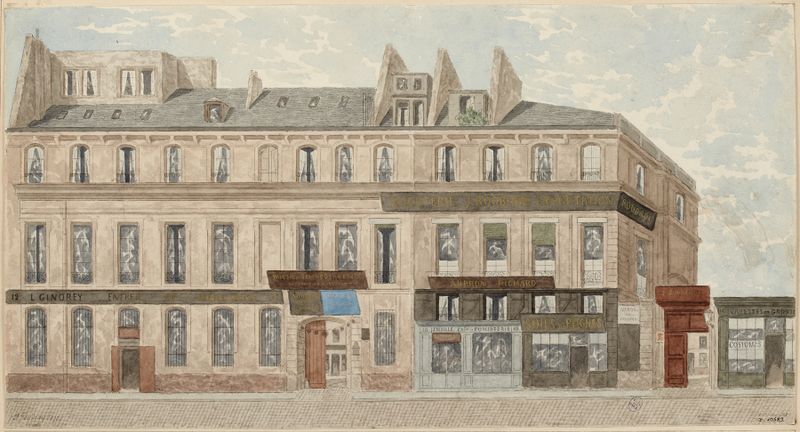
Rue Thévenot nº10 et 12 (actuelle rue Réaumur), 3ème arrondissement
Jules Gaildrau
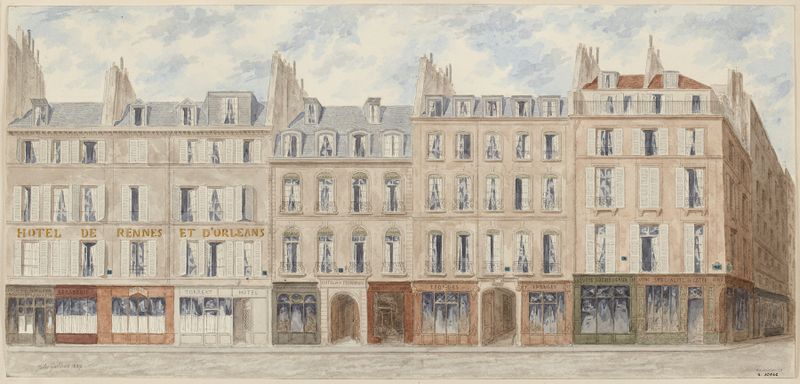
Rue D’Orlèans-Saint-Honoré nº11 à 19
Jules Gaildrau
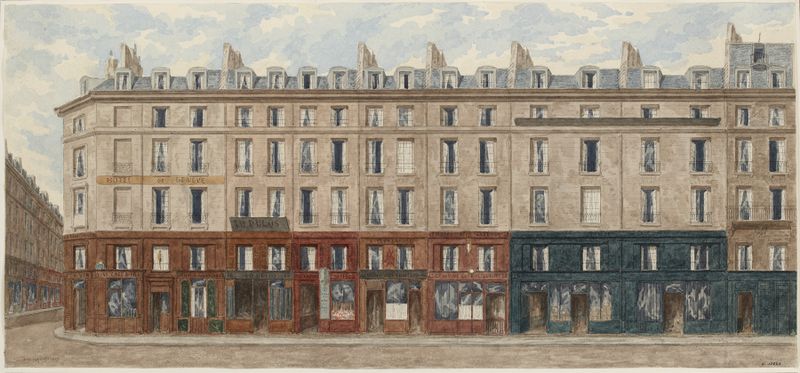
Rue des Deux-Ecus Nº36 à 48 (actuelle rue Berger), 1er arrondissement
Jules Gaildrau
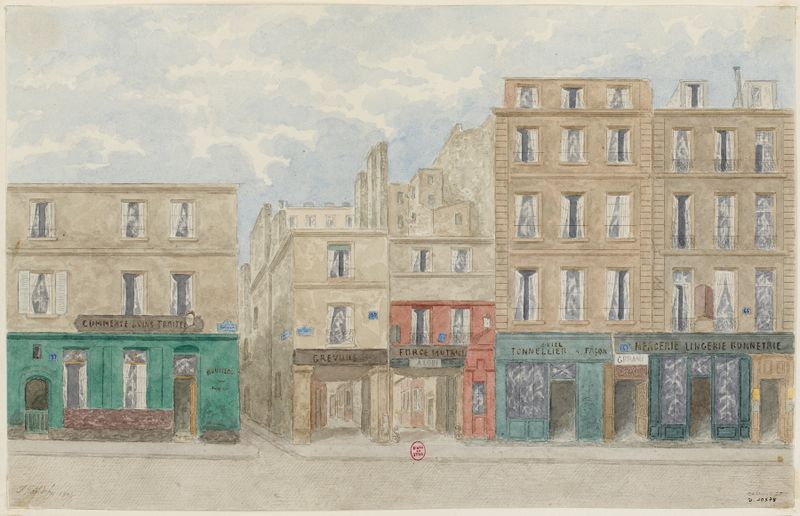
Rue des Trois-Portes, Nº7 à 15, 5ème arrondissement
Jules Gaildrau
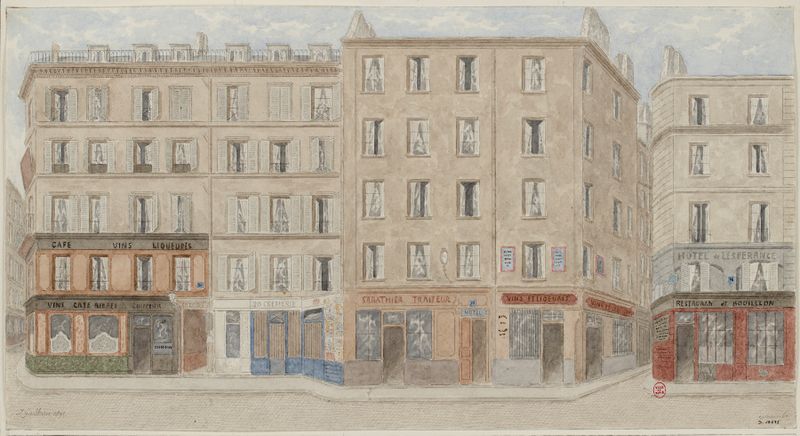
Rue Beaubourg Nº37 à 45, 3ème arrondissement
Jules Gaildrau
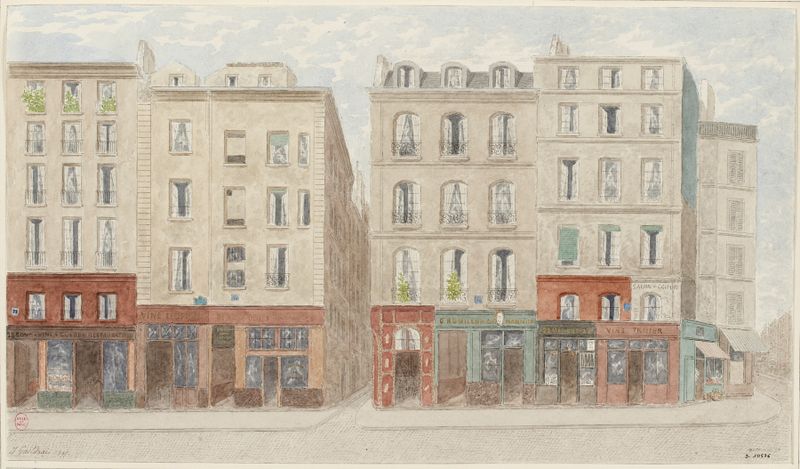
Rue Beaubourg Nº16 à 20, 4ème arrondissement
Jules Gaildrau
Rue Beaubourg Nº22 à 28, 3ème arrondissement
Jules Gaildrau
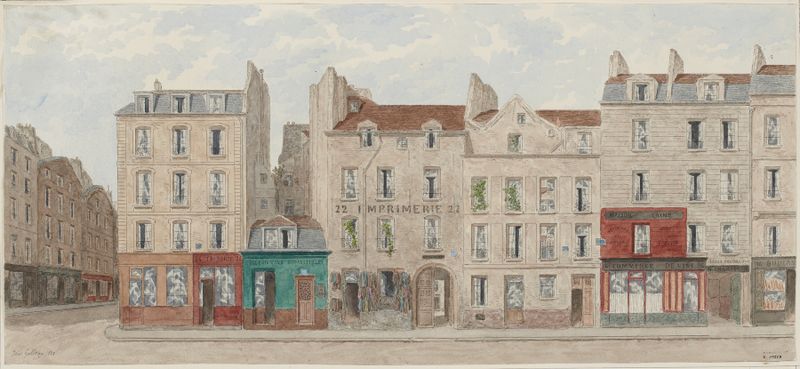
Rue de l’Hôtel Colbert Nº14 à 24, 5ème arrondissement
Jules Gaildrau
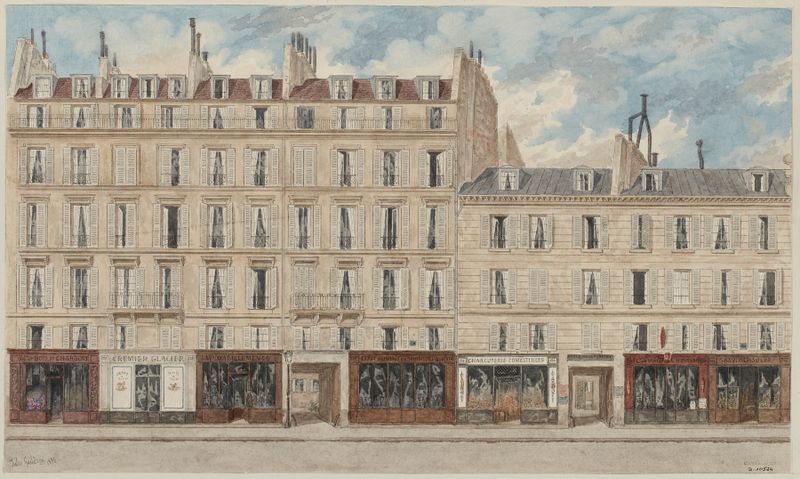
Numéros 126 et 128 de la rue Saint-Lazare, 8ème arrondissement
Jules Gaildrau
More Architecture Art
Browse all →
The statue of Liberty
Frédéric Auguste Bartholdi

View of Houses in Delft, Known as ‘The Little Street’
Johannes Vermeer

View of Houses in Delft, Known as ‘The Little Street’
Johannes Vermeer

The Cathedral in Rouen. The portal, Grey Weather
Claude Monet

The yellow house
Vincent van Gogh

The Church in Auvers-sur-Oise, View from the Chevet
Vincent van Gogh