
Ruine Rauhenstein bei Baden — History & Facts
The stillness of Ruine Rauhenstein bei Baden speaks volumes, inviting contemplation of the past that lingers in its crumbling walls. What stories echo within the ruins, and how do we reconcile them with our present? The painting captures not just a moment in time, but an emotional landscape in which the remnants of history become a stage for personal and collective reflection. Look to the left at the broken stones, their jagged edges contrasting with the gentle strokes of greenery that begin to reclaim the structure. The ruins stand steadfastly against the soft hues of twilight, blending earthy browns and muted greens into a scene that feels both melancholic and hopeful.
The artist employs delicate brushwork to suggest texture, while the play of light and shadow creates a sense of depth, leading the eye toward the distant horizon that hints at a world beyond the decay. Each element in the artwork conveys a duality of despair and renewal. The dilapidated tower, a silent witness to time's passage, symbolizes the weight of history, while the encroaching foliage represents nature’s quiet resilience. This contrast speaks to the tensions between civilization and the natural world, as well as the cyclical nature of existence — a reminder that even in decline, life continues to flourish in unexpected ways. Friedrich Loos painted this work in 1840 during a period of social and political upheaval in Europe, marked by burgeoning revolutionary sentiments.
Residing in the picturesque region near Baden, he was deeply influenced by the Romantic movement and the themes of nostalgia and the sublime. His portrayal of these ruins reflects both a personal introspection and a broader commentary on the historical changes that shaped the landscape and society of his time.
More Artworks by Friedrich Loos
Browse all →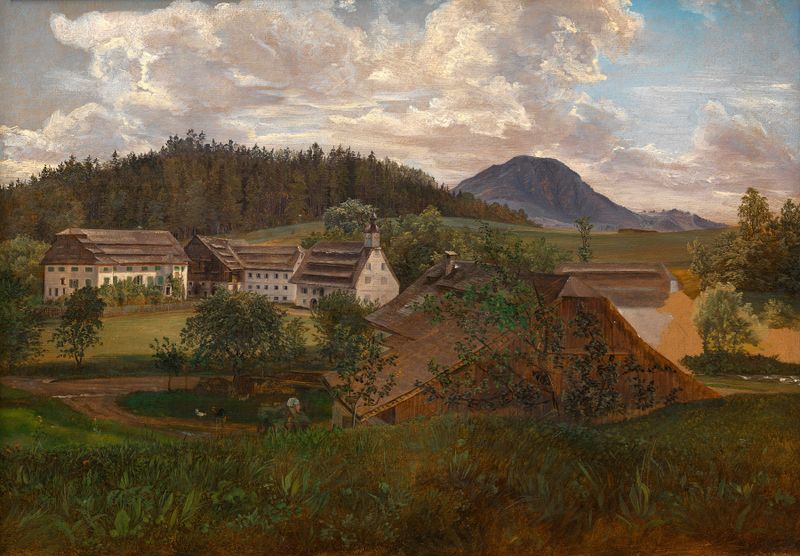
Salzburgische Landschaft mit Gutshof
Friedrich Loos
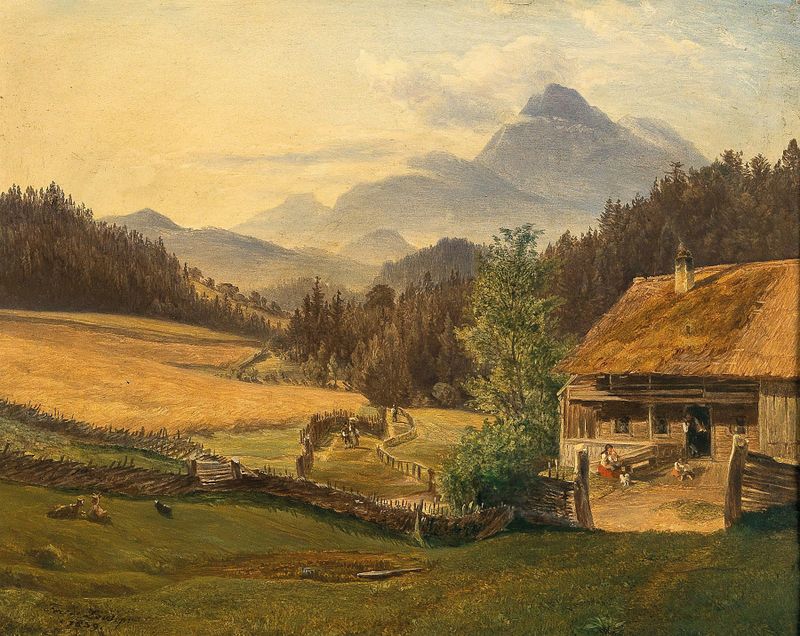
Summer landscape in the mountains
Friedrich Loos
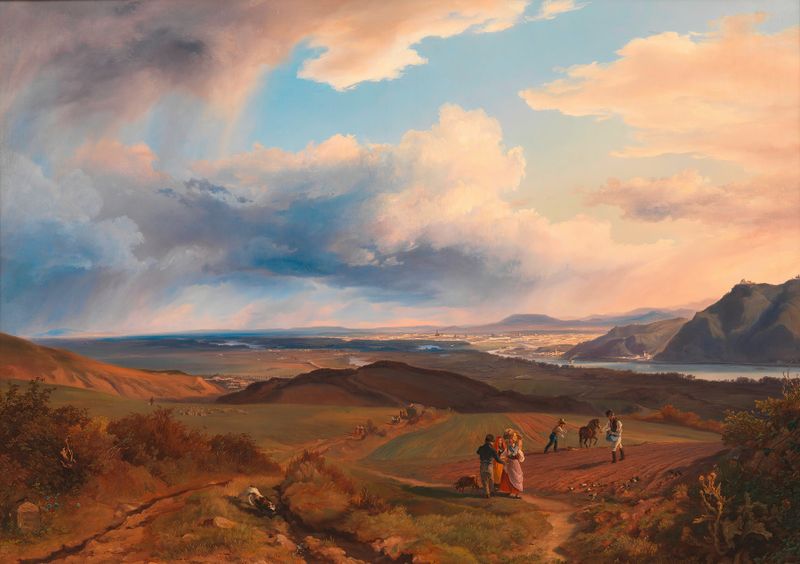
Blick auf Wien vom Bisamberg
Friedrich Loos

Die Ramsau bei Berchtesgaden
Friedrich Loos
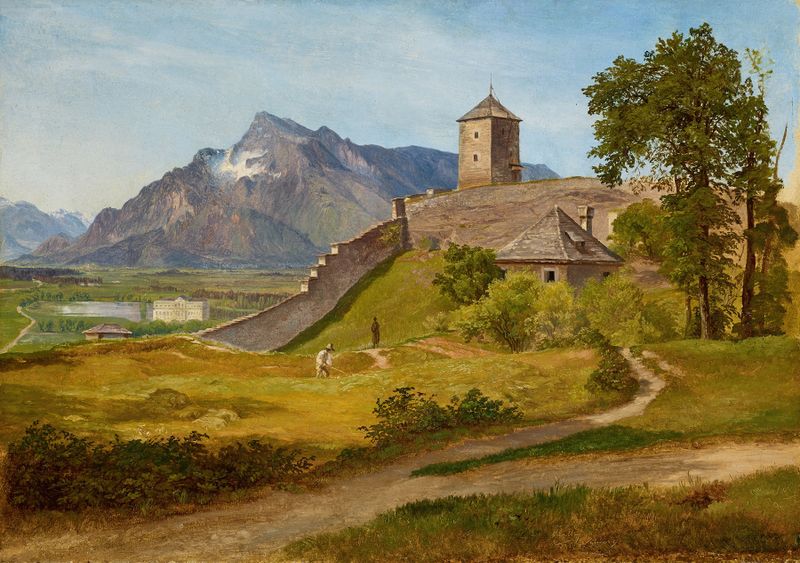
Das Militärwachthaus und der Josefsturm auf dem Salzburger Mönchsberg
Friedrich Loos
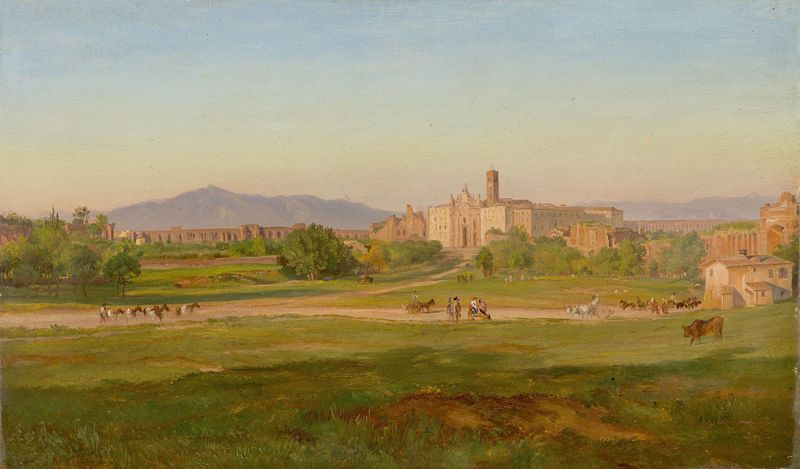
Blick auf die Basilica di Santa Croce in Gerusalemme (Rom)
Friedrich Loos

Monte Cavo bei Albano
Friedrich Loos

Der Mönchsberg in Salzburg mit dem Josefsturm
Friedrich Loos

Harvest near Rust on Lake Neusiedl
Friedrich Loos
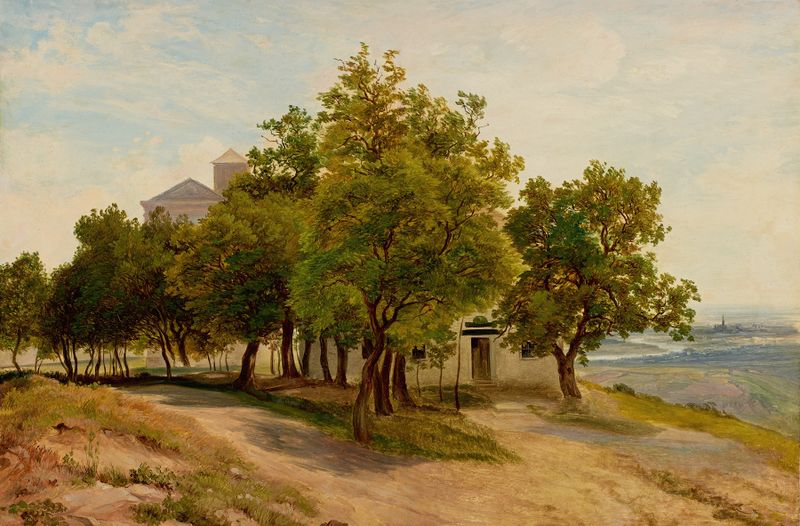
Baumgruppe auf dem Kahlenberg mit Blick auf Wien
Friedrich Loos





