
Ruins in the Lower Garden in Mokotów — History & Facts
In the heart of a crumbling garden, sunlight filters through the skeletal remains of ancient structures, casting long shadows on the ground. A figure stands amidst the ruins, her silhouette framed by the vibrant greenery that threatens to overtake the remnants of stone. The air is thick with the tension of history, a quiet whisper of rebirth echoing through the foliage as nature reclaims its domain. Look to the left at the delicate interplay of light and shadow, where the sun illuminates the textured surfaces of the crumbled walls.
Notice how the artist employs a muted palette, rich with earthy tones, evoking a sense of nostalgia and decay. The composition draws the eye toward the solitary figure, inviting you to ponder her purpose and emotions within this forsaken space, while the surrounding flora suggests an unstoppable cycle of life and renewal. A deeper contemplation reveals the contrasts at play: the starkness of human creation lies against the vibrant life of the vine-clad ruins. The woman’s contemplative posture implies a connection to both loss and hope, hinting at personal and collective rebirth.
The blending of nature and decay signifies the inevitable passage of time, reminding us that even in ruin, there is a promise of growth and transformation. Created in 1882, this work emerged during a period of significant artistic development for its creator. Bilińska-Bohdanowicz was gaining recognition in Poland and abroad, drawing on the influence of the burgeoning Impressionist movement. As she painted, the world around her was increasingly embracing new ideas about art, identity, and the beauty found within the passage of time — themes that resonate powerfully within this evocative piece.
More Artworks by Anna Bilińska-Bohdanowicz
Browse all →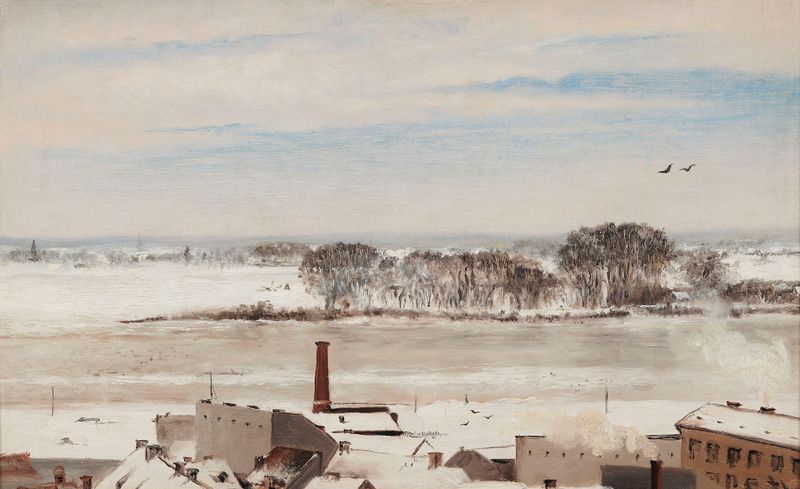
View from the conservatory windows
Anna Bilińska-Bohdanowicz

Seaside
Anna Bilińska-Bohdanowicz

Krajobraz ze zboczem skalnym w Alland
Anna Bilińska-Bohdanowicz

Forest (Ukraine)
Anna Bilińska-Bohdanowicz
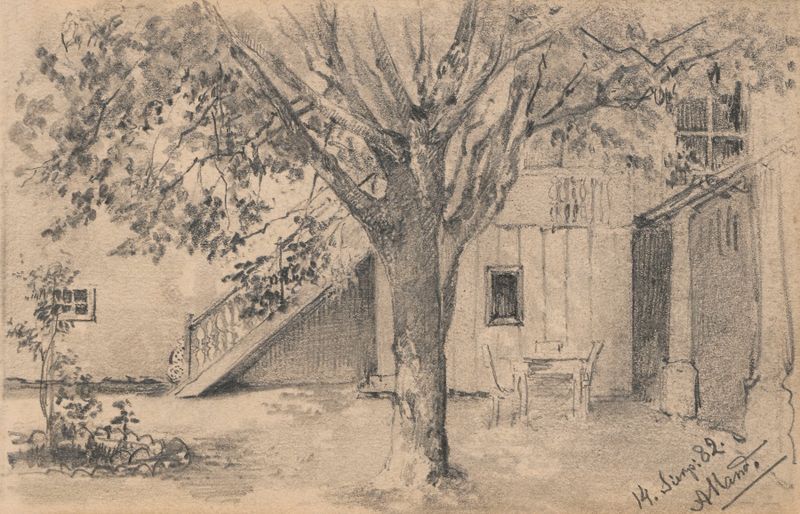
Fragment podwórza z rozłożystym drzewem w Alland
Anna Bilińska-Bohdanowicz

Unter den Linden Street in Berlin
Anna Bilińska-Bohdanowicz

Fort Boyard
Anna Bilińska-Bohdanowicz





