
Ruins of a Church — History & Facts
Is this a mirror — or a memory? The crumbling stones of the church stand as a haunting testament to time’s relentless march, echoing a narrative of betrayal and decay. Look closely at the left side of the canvas, where fractured walls whisper of past grandeur. The interplay of shadow and light dances across the ruins, emphasizing their dramatic contours. Notice how the muted earth tones of the stones contrast sharply with fleeting rays of sunlight, invoking a sense of loss that is both poignant and profound.
The artist’s brushwork conveys a delicate balance between chaos and stillness, drawing your eye to the fragmented arches that seem to reach for something beyond their grasp. Hidden within this somber tableau are deeper emotions—grief mingled with nostalgia, and a sense of abandonment that permeates the air. Each cracked stone tells a story of dreams once held and now shattered, mirrored by the flickering light that illuminates the ruin's heart. This duality invites reflection on the nature of faith and disillusionment, evoking a history of both hope and betrayal etched into the very fabric of the structure. Created between 1901 and 1925, the artwork emerged during a tumultuous period for Dezider Czölder, who was grappling with personal loss and the shifting tides of modernism.
The early 20th century witnessed a world deeply affected by war and societal change, and the artist captured this complex interplay of despair and beauty in his portrayal of decay. Amidst this backdrop, the painting serves not only as a visual lament but also as a powerful commentary on the fragility of human endeavors.
More Artworks by Dezider Czölder
Browse all →
Landscape with a Waterfall
Dezider Czölder
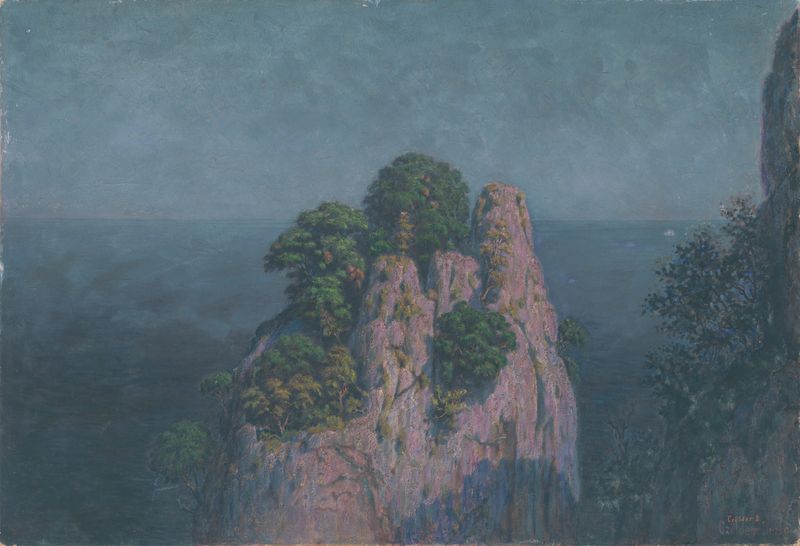
Seascape with Rocks
Dezider Czölder

Seascape
Dezider Czölder

Landscape with Trees
Dezider Czölder

From Italian Front V.
Dezider Czölder
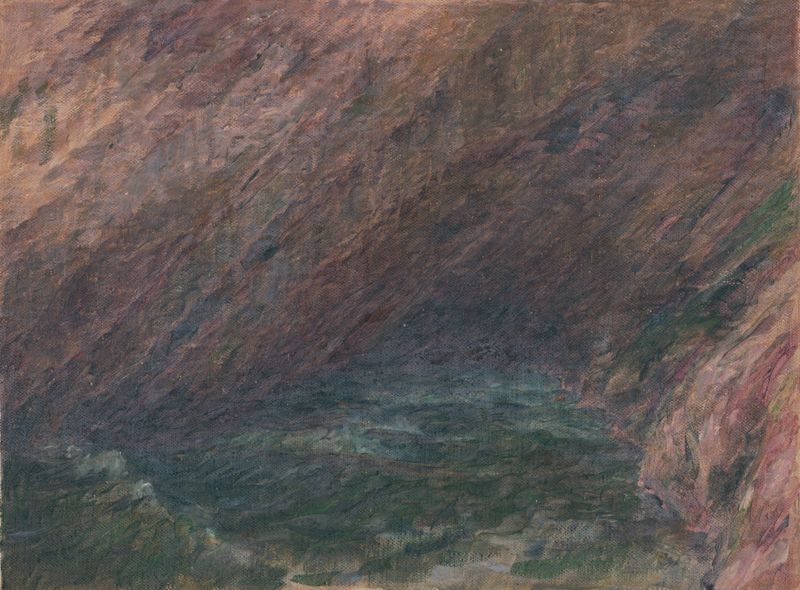
Sea IV.
Dezider Czölder

From Italian Front VII.
Dezider Czölder

From Italian Front III.
Dezider Czölder
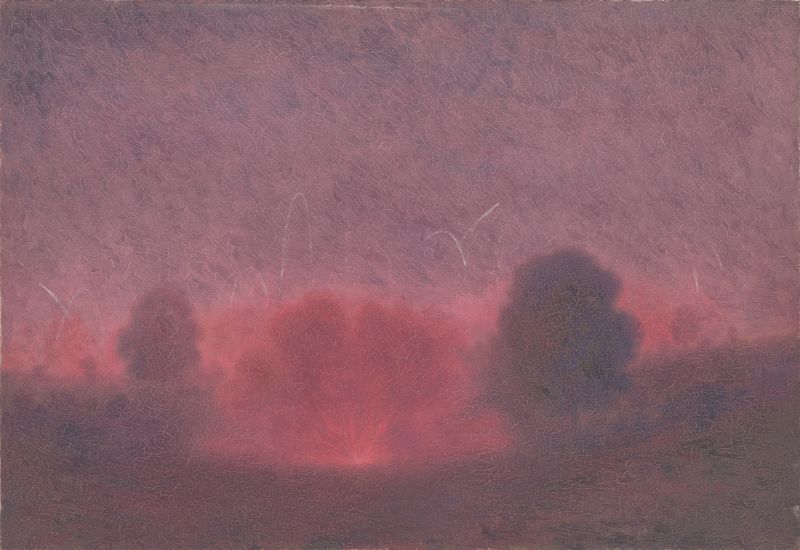
Doberdò – Scene from the First World War
Dezider Czölder
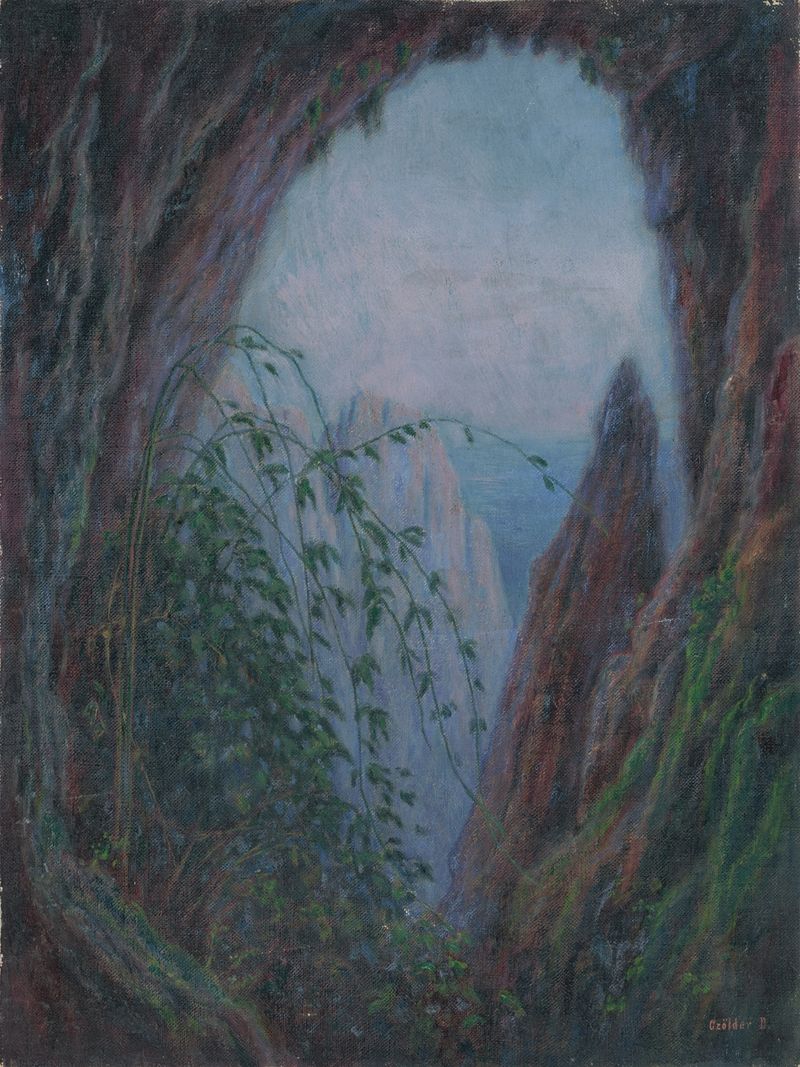
Rocky Landscape
Dezider Czölder
More Architecture Art
Browse all →
The statue of Liberty
Frédéric Auguste Bartholdi

View of Houses in Delft, Known as ‘The Little Street’
Johannes Vermeer

View of Houses in Delft, Known as ‘The Little Street’
Johannes Vermeer

The Cathedral in Rouen. The portal, Grey Weather
Claude Monet

The yellow house
Vincent van Gogh

The Church in Auvers-sur-Oise, View from the Chevet
Vincent van Gogh