
Ruins of a Fortified Tower among Wooded Hills II — History & Facts
Could beauty survive in a century of chaos? In Ruins of a Fortified Tower among Wooded Hills II, the question reverberates through the interplay of nature and man-made structures. Look to the center, where the weathered stones of the ancient tower rise defiantly against a backdrop of verdant hills. The artist's use of soft greens and muted browns creates a harmony that contrasts the tower's crumbling edges, inviting the eye to explore the tension between decay and resilience. Notice how dappled light filters through the surrounding trees, casting gentle shadows that dance upon the tower's surface, revealing the scars of time while simultaneously celebrating its steadfastness. Beneath the surface, this landscape whispers of loss and regeneration.
The fortified tower, once a symbol of strength, now stands as a poignant reminder of fragility amid nature's embrace. The lush hills envelop the ruins, suggesting that even in destruction, there is a possibility of rebirth—a duality that evokes both melancholy and ecstasy. The scene invites reflection on the passage of time and the enduring beauty that can emerge from the remnants of the past. Friedrich Salathé painted this work between 1816 and 1821, during a period of significant upheaval in Europe following the Napoleonic Wars.
As society grappled with the aftermath of conflict, Salathé sought to capture the resilient spirit of nature and the echoes of history through his art. This period marked a transformative time in the Romantic movement, emphasizing emotion, the sublime, and the reconciliation of humanity's struggles with the grandeur of the natural world.
More Artworks by Friedrich Salathé
Browse all →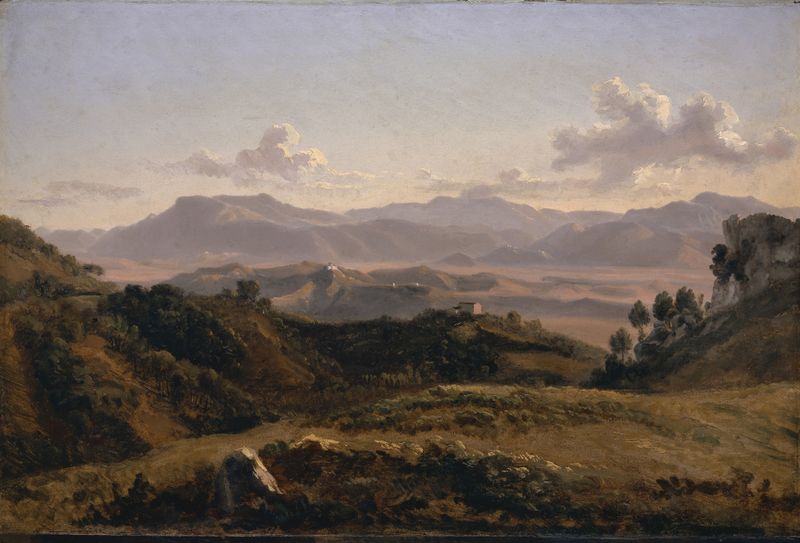
Landscape near Olevano
Friedrich Salathé
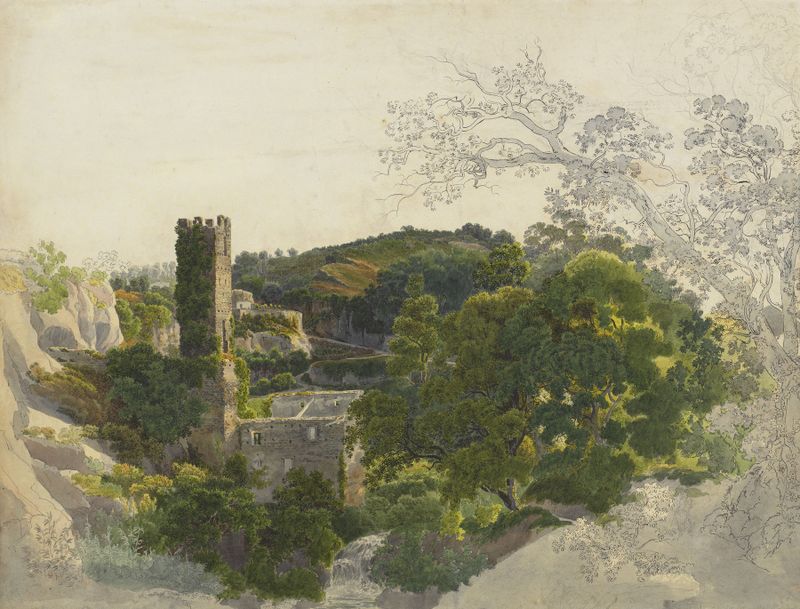
Ruins of a Fortified Tower among Wooded Hills
Friedrich Salathé
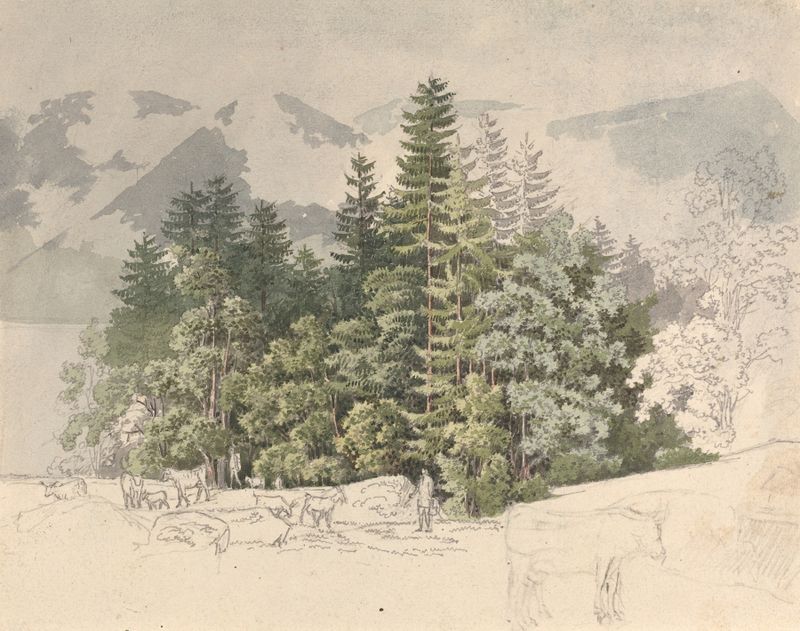
Alpine Landscape
Friedrich Salathé

Ruins of a Fortified Tower among Wooded Hills
Friedrich Salathé
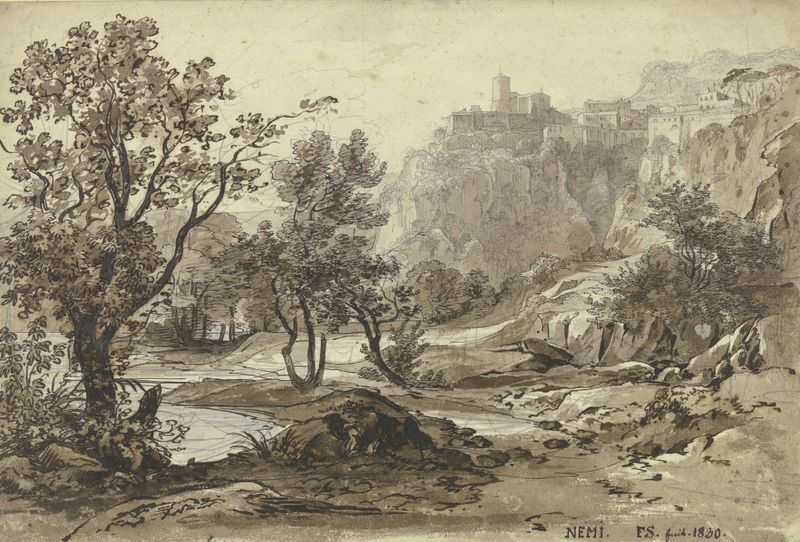
Ansicht von Nemi, im Vordergrund der Nemisee
Friedrich Salathé
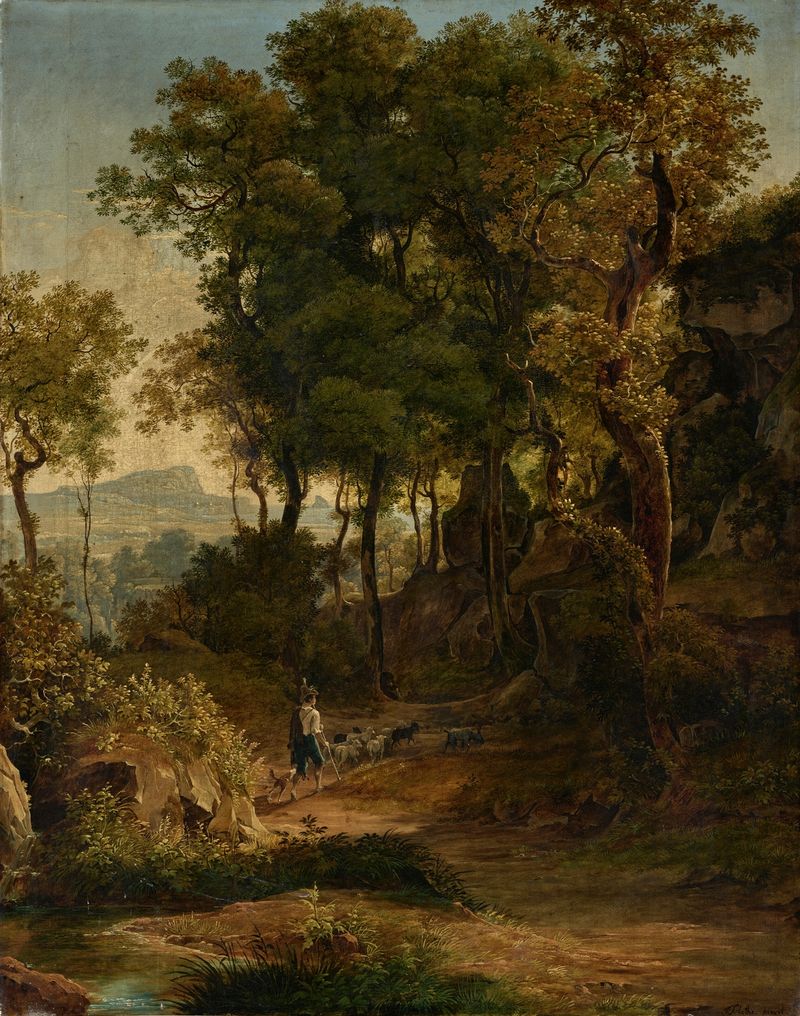
Shepherd with his flock on a wooded path
Friedrich Salathé
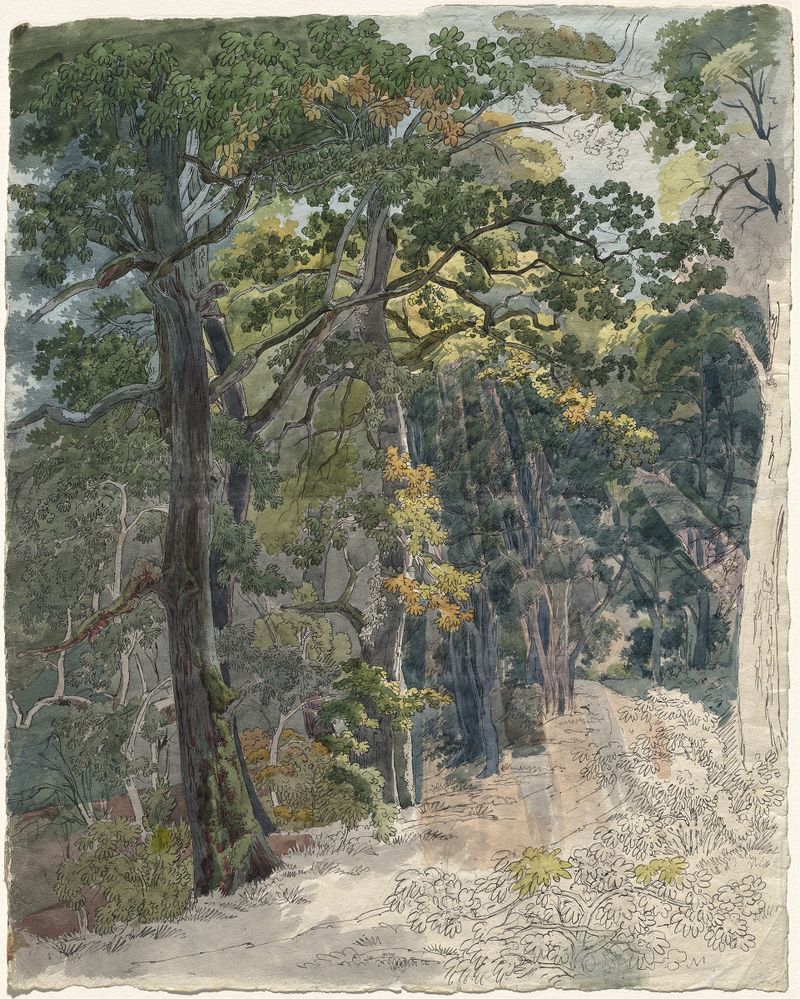
Rays of Sunlight Striking a Woodland Path
Friedrich Salathé
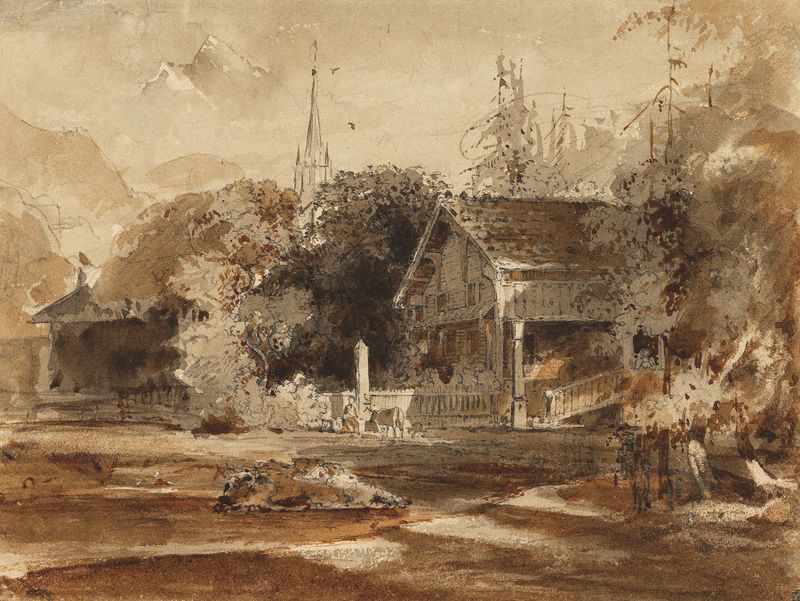
Swiss village view
Friedrich Salathé





