
Ruins of Antiquity. Dedicated to Clemens — History & Facts
In the delicate dance of decay, we confront the remnants of what once was, distilled into the whisper of a moment suspended in time. Look to the left at the crumbling archways, where muted ochres and grays speak of age and loss. Notice how the sunlight struggles to filter through the gaps, casting soft shadows that stretch long across the ground. Each brushstroke reveals not just the physical deterioration but also the emotional weight of memory, inviting the viewer to ponder the lives that once flourished here. The contrast between the vibrant flora and the skeletal ruins hints at nature's quiet reclamation of space.
A solitary figure, almost ghostly in presence, stands as a testament to human insignificance against the passage of time. This tension between life and decay is palpable, evoking a bittersweet nostalgia that permeates the entire composition. Every detail, from the scattered stones to the drooping vines, speaks to the inevitability of change, urging us to reflect on our own transience. Christian Heinrich Grosch created this evocative piece between 1763 and 1843, during a period of burgeoning Romanticism in art.
He was deeply influenced by the ideals surrounding nature and antiquity, a time when artists sought to capture both beauty and the sublime in their work. As the world around him underwent rapid transformation with the rise of industrialization, this painting stands as a poignant reminder of the delicate balance between creation and decay.
More Artworks by Christian Heinrich Grosch
Browse all →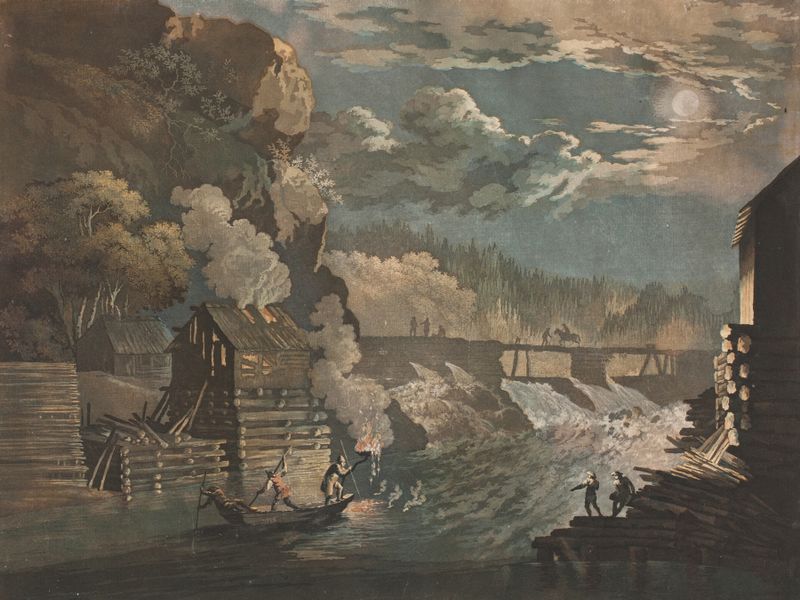
Schaaning Fossen i Tisdedahlen ved Friderichshald
Christian Heinrich Grosch
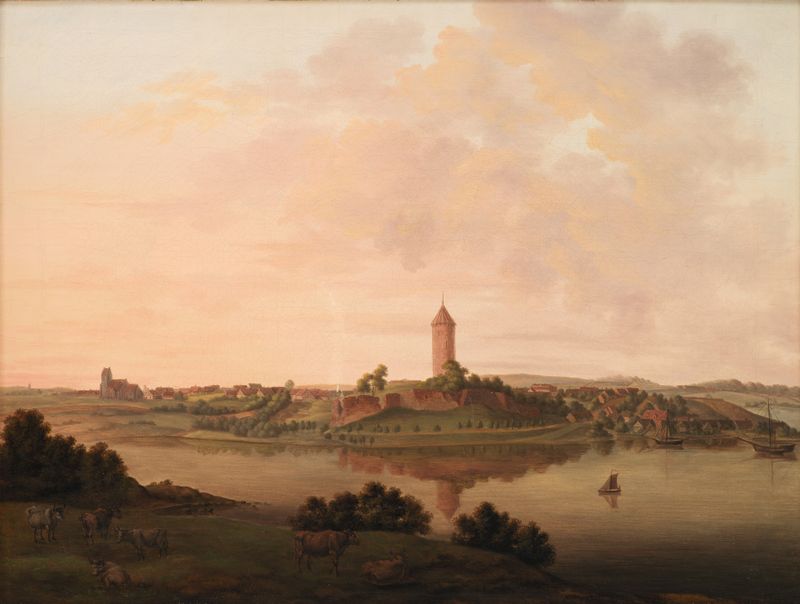
Prospekt af Vordingborg
Christian Heinrich Grosch

Christiania, fra Tøyen
Christian Heinrich Grosch

Viborg
Christian Heinrich Grosch

Middelfart
Christian Heinrich Grosch
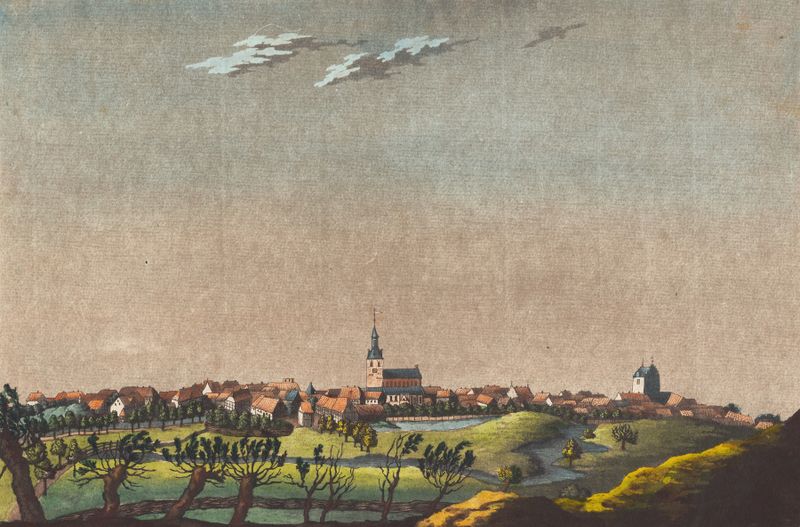
Odense
Christian Heinrich Grosch

Sjællandsk landskab, aften
Christian Heinrich Grosch
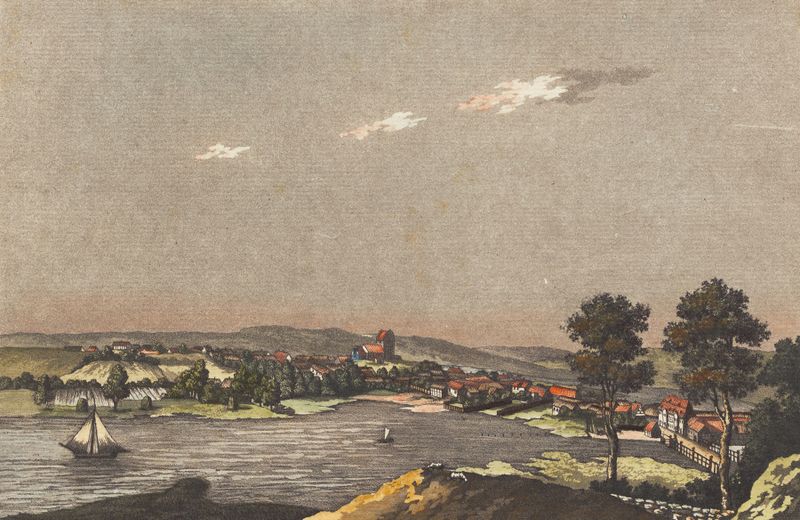
Hobro
Christian Heinrich Grosch
More Architecture Art
Browse all →
The statue of Liberty
Frédéric Auguste Bartholdi

View of Houses in Delft, Known as ‘The Little Street’
Johannes Vermeer

View of Houses in Delft, Known as ‘The Little Street’
Johannes Vermeer

The Cathedral in Rouen. The portal, Grey Weather
Claude Monet

The yellow house
Vincent van Gogh

The Church in Auvers-sur-Oise, View from the Chevet
Vincent van Gogh