
Ruins Of Csárda — History & Facts
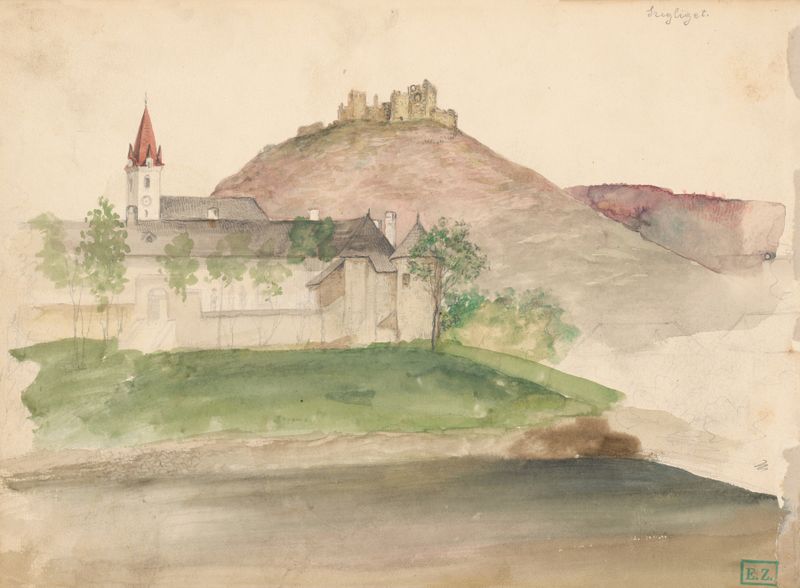
Did the painter know this moment would outlive them? In the silent embrace of time, the echoes of history linger, inviting contemplation long after the brushstrokes have dried. Focus on the weathered facade, a testament to endurance. Look closely at the crumbling stone, where shadows dance in the afternoon light, highlighting the textures of decay and resilience. The muted palette of earthy browns and faded grays evokes a sense of nostalgia, drawing the viewer deeper into the narrative hidden within the ruins.
Each detail, from the jagged edges to the delicate vines creeping through the cracks, tells a story of nature reclaiming what was once man-made. Yet amidst this decay lies a stark contrast: the juxtaposition of life and abandonment. The remnants of the structure speak not just of physical decay but of the passage of time itself, evoking a bittersweet reflection on mortality and legacy. The play of light and shadow creates a tension between memory and forgetfulness, suggesting that even the most formidable creations succumb to the inexorable march of time. In 1860, Klimkovič painted this work during a period when Romanticism was giving way to realism, capturing the aesthetic and emotional weight of history.
Living in what is now the Czech Republic, he was influenced by the European fascination with ruins as symbols of both beauty and loss. As the world around him modernized, he turned his gaze to the past, reflecting on the transient nature of existence through the lens of his art.
More Artworks by Vojtech Klimkovič
Browse all →
More Architecture Art
Browse all →
The statue of Liberty
Frédéric Auguste Bartholdi

View of Houses in Delft, Known as ‘The Little Street’
Johannes Vermeer

View of Houses in Delft, Known as ‘The Little Street’
Johannes Vermeer

The Cathedral in Rouen. The portal, Grey Weather
Claude Monet

The yellow house
Vincent van Gogh

The Church in Auvers-sur-Oise, View from the Chevet
Vincent van Gogh