
Ruins of the Parthenon — History & Facts
Can paint confess what words never could? In Ruins of the Parthenon, we find ourselves drawn into a world where the weight of history presses against the light of the present, whispering secrets of obsession and beauty through every brushstroke. Look to the left of the canvas, where the crumbling columns stand resolute against a soft, glowing sky. Notice how the light falls upon the weathered stone, casting delicate shadows that dance like memories trying to escape. Gifford’s masterful use of color juxtaposes warm hues of orange and cool blues, evoking the duality of time—both vibrant and faded, both alive and decaying.
The meticulous layering reveals the artist's reverence for his subject, creating a sense of intimacy with the ancient ruins. Delve deeper, and you’ll uncover the emotional tension woven through the work. The serene sky contrasts sharply with the ruins’ desolation, suggesting a yearning for what was once a glorious symbol of civilization. The scattered debris at the foreground hints at the passage of time and the inevitable decay of human achievement, eliciting a reflection on our own transience.
This is not merely a depiction of an ancient site; it is a meditation on the obsessions that bind us to our past and the reality of impermanence. In 1880, Gifford painted this piece during a period of growing interest in the romanticized ruins of classical architecture, both in the art world and society at large. He was part of the Hudson River School, a movement that championed American landscapes infused with philosophical meanings. As he crafted this work, he grappled with these themes, striving to evoke a sense of awe and contemplation about humanity’s legacy amidst the fading echoes of history.
More Artworks by Sanford Robinson Gifford
Browse all →
Twilight in the Catskills
Sanford Robinson Gifford
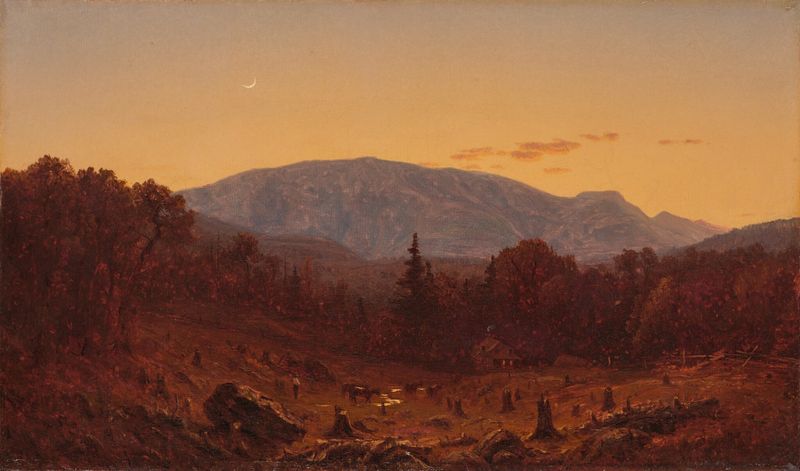
Twilight on Hunter Mountain
Sanford Robinson Gifford

Kauterskill Clove, Catskill Mountains
Sanford Robinson Gifford

Kauterskill Clove, Catskill Mountains
Sanford Robinson Gifford
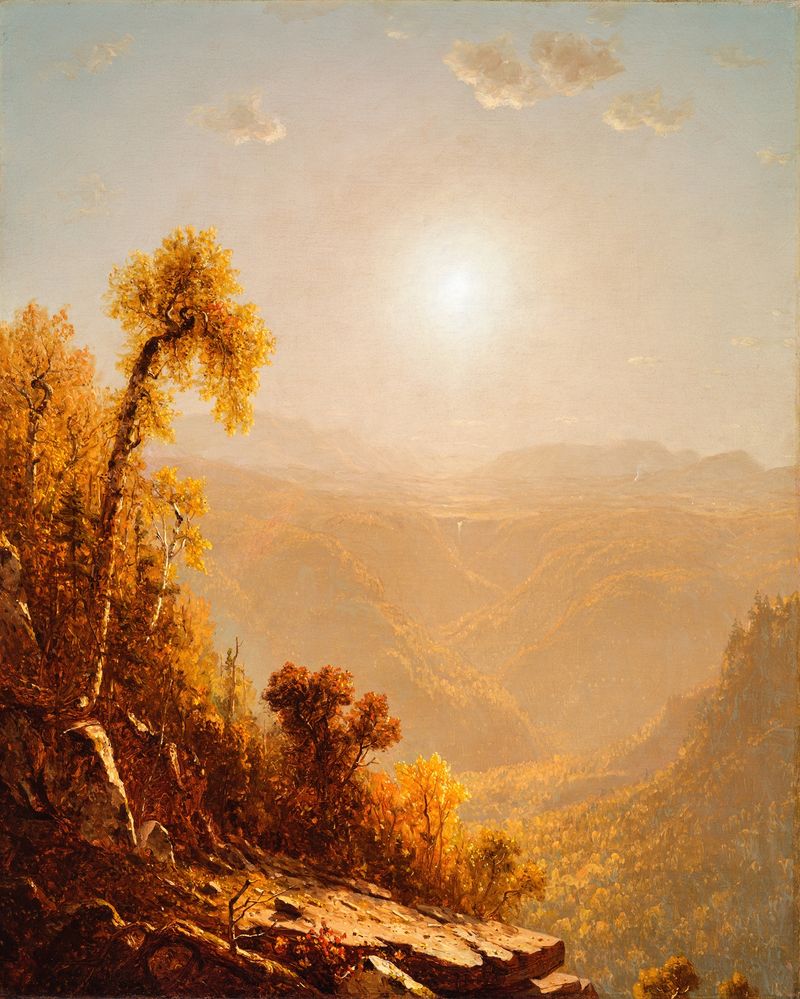
October in the Catskills
Sanford Robinson Gifford
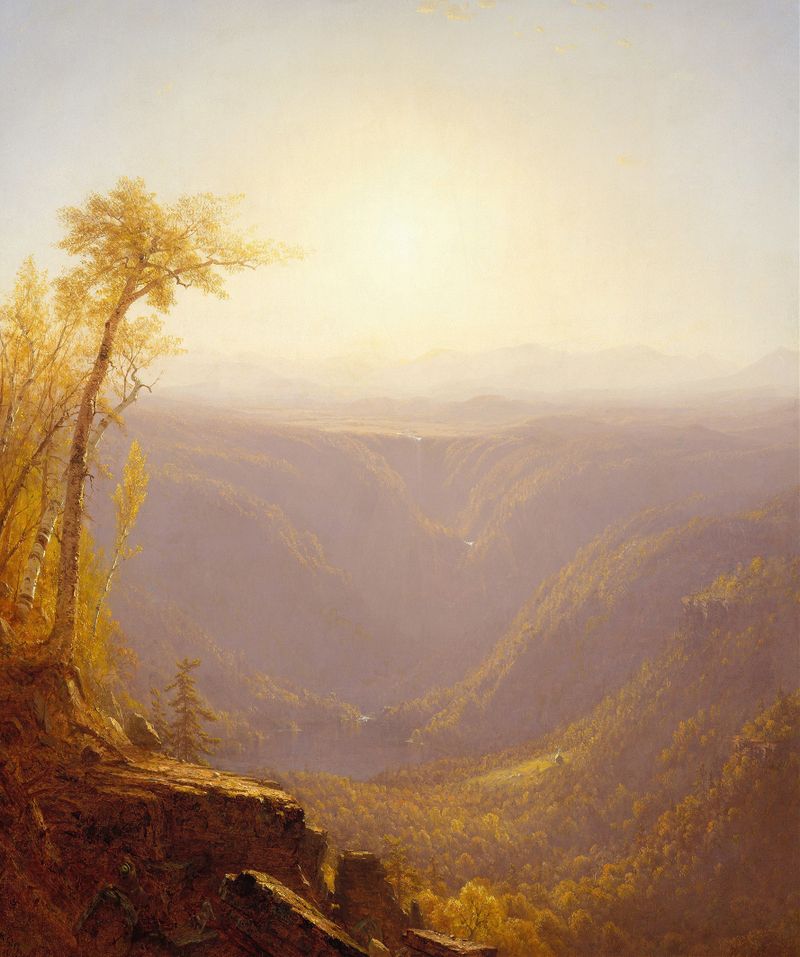
A Gorge in the Mountains (Kauterskill Clove)
Sanford Robinson Gifford
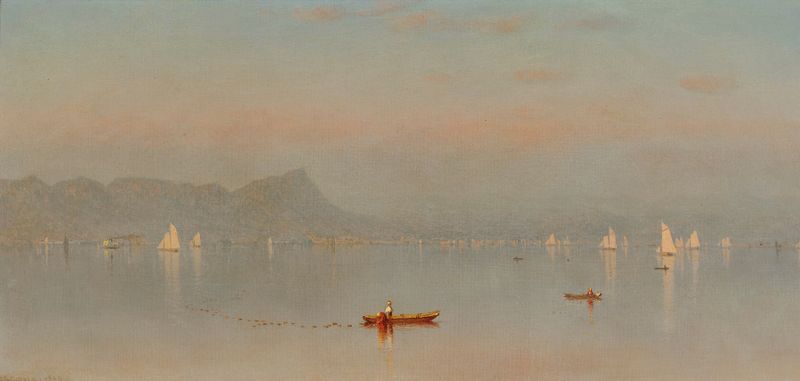
Haverstraw Bay (Shad Fishing On The Hudson)
Sanford Robinson Gifford

The Mouth of the Shrewsbury River
Sanford Robinson Gifford
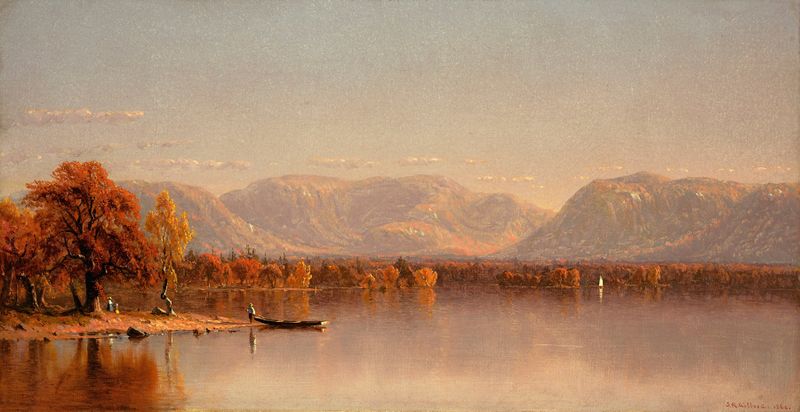
Lake Sunapee, New Hampshire
Sanford Robinson Gifford
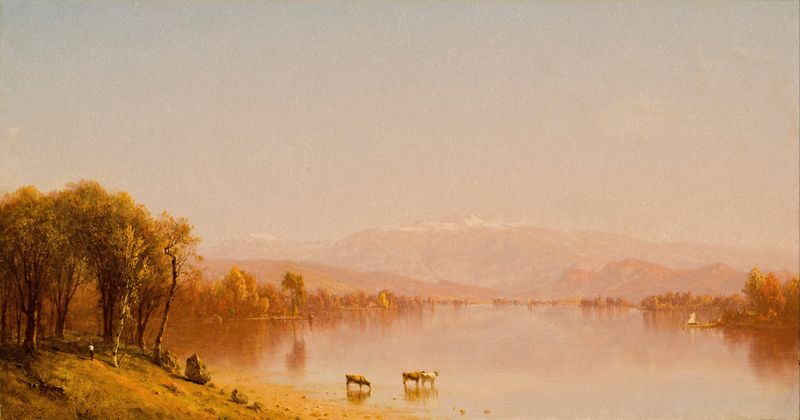
Indian Summer in the White Mountains
Sanford Robinson Gifford





