
Ruïne buiten de Wittevrouwenpoort te Utrecht — History & Facts
Can paint confess what words never could? The haunting beauty of a decaying ruin invites us to ponder the weight of legacy and the passage of time. Focus your gaze on the crumbling façade on the left, where shadows cling to the weathered stone, hinting at stories long forgotten. The muted earth tones blend seamlessly with the soft greens of the surrounding foliage, creating a melancholic harmony. Notice how the artist’s delicate brushwork captures the intricate details of the architecture, allowing each chipped edge to resonate with the echoes of a vibrant past.
The distant horizon is a subtle reminder of a world beyond the decay, inviting contemplation on what once stood proud. Intriguingly, the juxtaposition of the ruin and the flourishing nature speaks to the relationship between human endeavor and the relentless march of time. Each crack in the structure seems to whisper secrets of glory and decline, contrasting the enduring vitality of the trees that embrace it. There’s an emotional tension in this duality, a reminder that while structures may crumble, nature persists, providing a legacy of its own. In 1674, when this piece was created, Herman Saftleven was immersed in the Baroque artistic world of the Netherlands.
Living in Utrecht, a city rich with history, he blended emerging techniques with a focus on landscape and architecture, showcasing both the beauty and impermanence of the man-made. This period saw a growing interest in depicting ruins, reflecting broader themes of nostalgia and the transience of life, a sentiment that resonates through this poignant work.
More Artworks by Herman Saftleven
Browse all →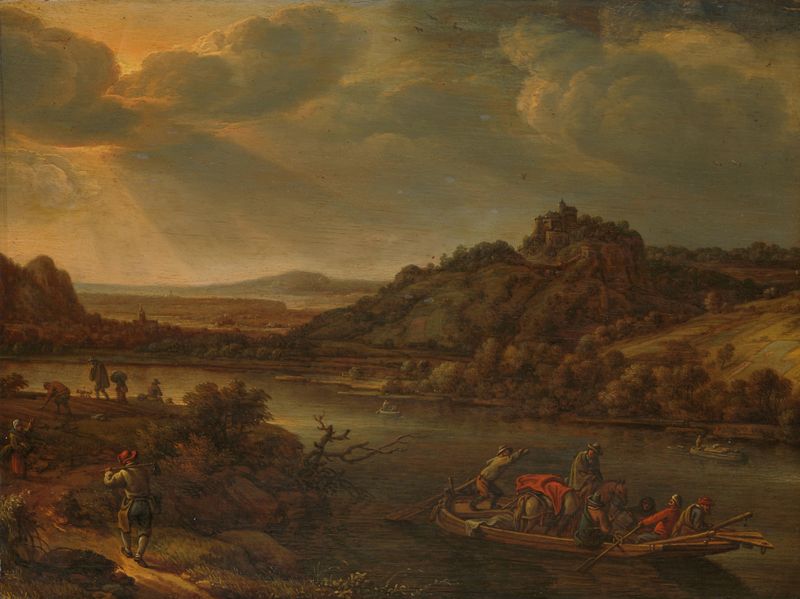
River view with ferry
Herman Saftleven
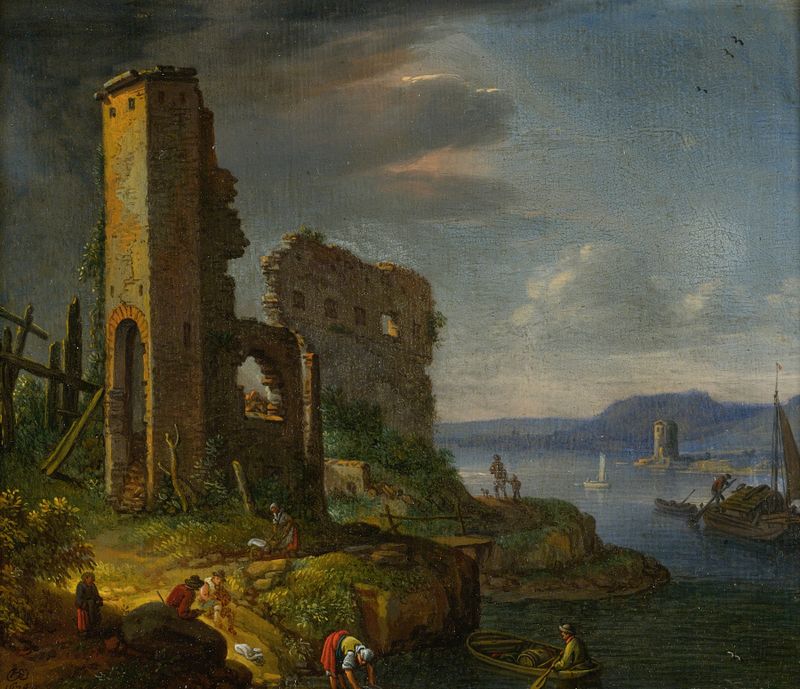
River Landscape With Ruins, Boats And Figures
Herman Saftleven
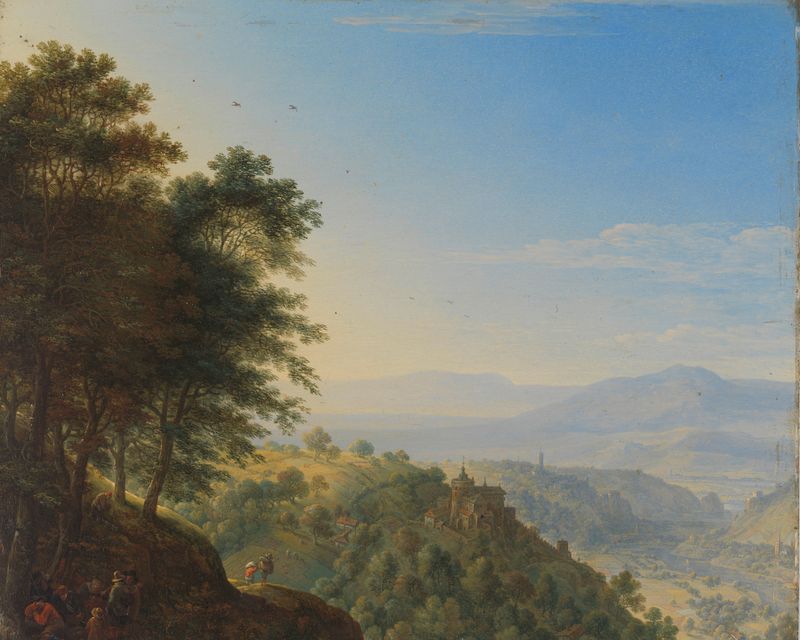
Berglandschap bij Boppard aan de Rijn
Herman Saftleven
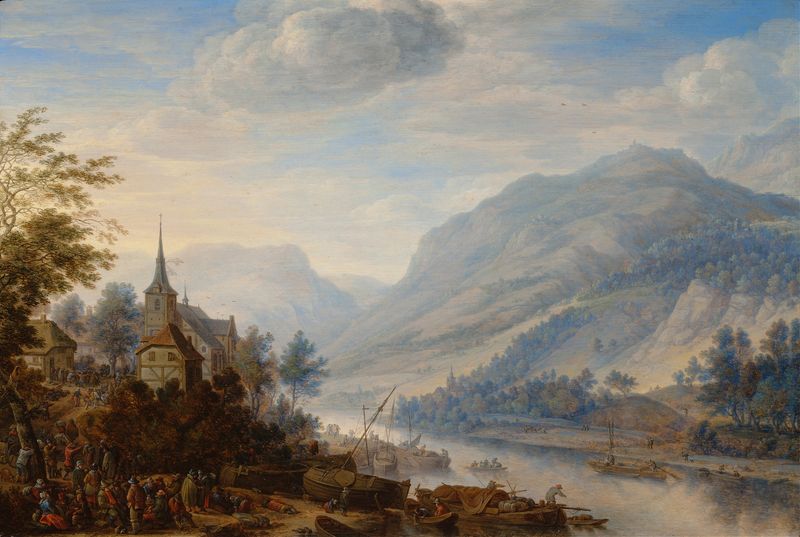
View of the Rhine at Reineck
Herman Saftleven
Riviergezicht met aanlegplaats
Herman Saftleven
Gezicht op kasteel Nijenrode
Herman Saftleven
View of the Rhine River near Andernach
Herman Saftleven
Wine Harvest at the Rhine
Herman Saftleven
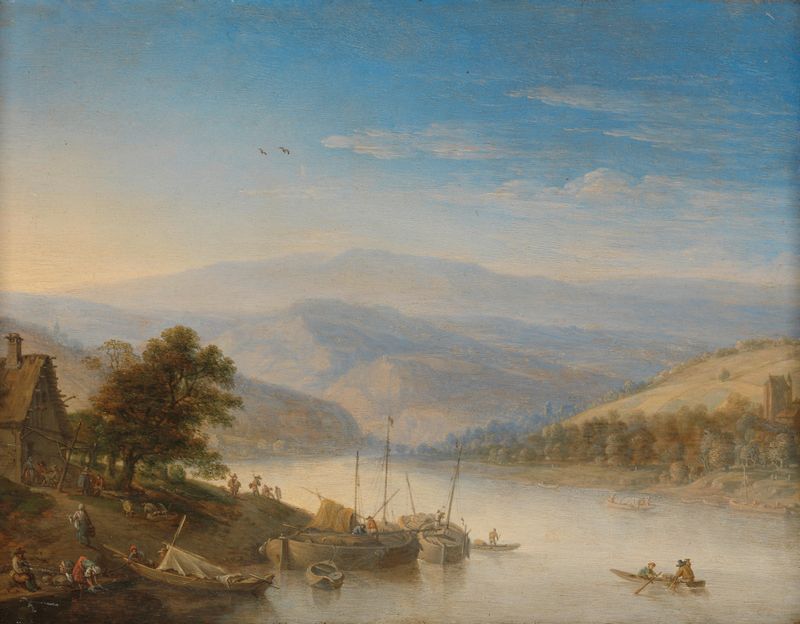
Gezicht op de Rijn bij Andernach
Herman Saftleven
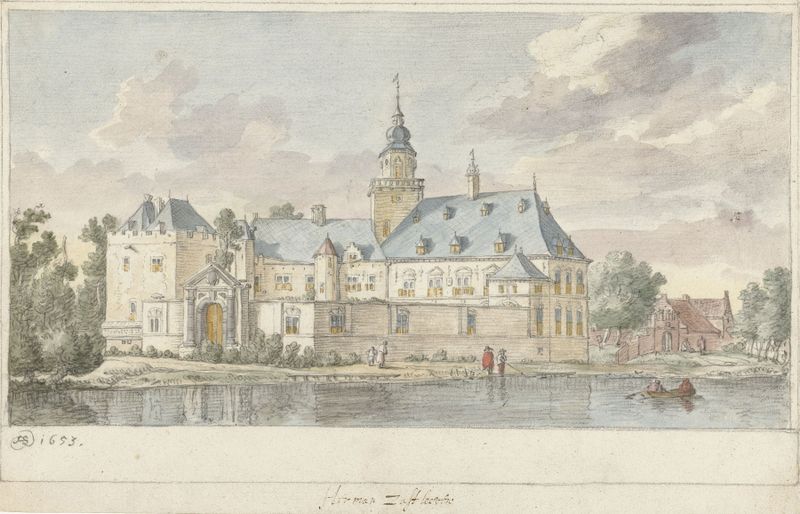
Gezicht op kasteel Nijenrode
Herman Saftleven
More Architecture Art
Browse all →
The statue of Liberty
Frédéric Auguste Bartholdi

View of Houses in Delft, Known as ‘The Little Street’
Johannes Vermeer

View of Houses in Delft, Known as ‘The Little Street’
Johannes Vermeer

The Cathedral in Rouen. The portal, Grey Weather
Claude Monet

The yellow house
Vincent van Gogh

The Church in Auvers-sur-Oise, View from the Chevet
Vincent van Gogh