Rydal Water, Autumn — History & Facts
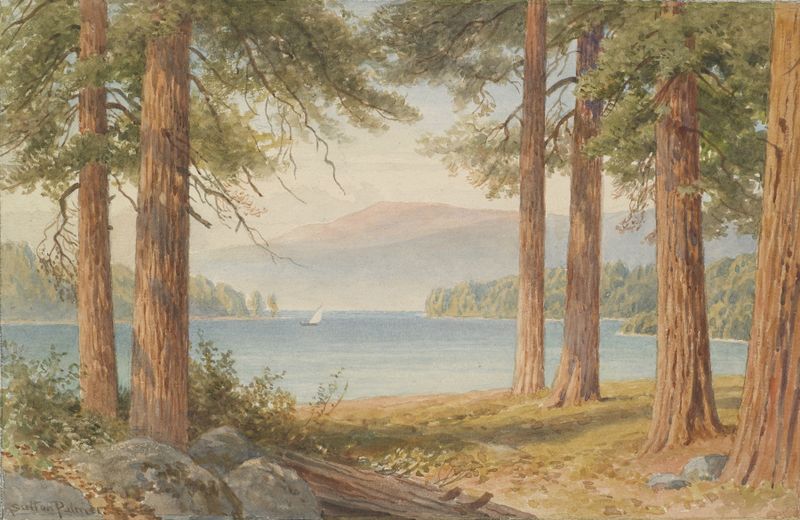
In that stillness, we find the echoes of violence, the underlying turmoil of existence masked by serene beauty. Look to the center, where the tranquil waters of Rydal Water mirror the fiery hues of autumn foliage. The meticulous brushstrokes create a gentle ripple that disturbs the reflection, hinting at unseen forces lurking beneath the surface. Notice how warm oranges and deep reds dance with cool blues, drawing the eye into this harmonious yet charged landscape.
The interplay of light and shadow plays a crucial role, each highlight whispering of tranquility while the darker undertones suggest a brewing storm. Beneath the surface beauty lies a tension intrinsic to nature itself. The autumn leaves, in their vibrant decay, symbolize both the end of a cycle and the violence of change. The distant hills, calm yet formidable, stand as silent witnesses to the passage of time — a reminder of nature's relentless march.
The painter captures this duality, merging peace with the unyielding force of transformation, inviting contemplation on the coexistence of serenity and strife. During the time this piece was created, Palmer was immersed in the rich artistic milieu of early 20th-century England, a period marked by profound shifts in both style and perception. The emergence of the English Impressionist movement was contemporaneous with his work, as artists sought to capture the essence of fleeting moments. Though the exact date remains uncertain, the emotional depth and vibrant interpretation evident in this piece reflect a moment of personal and artistic exploration amid the evolving landscape of British art.