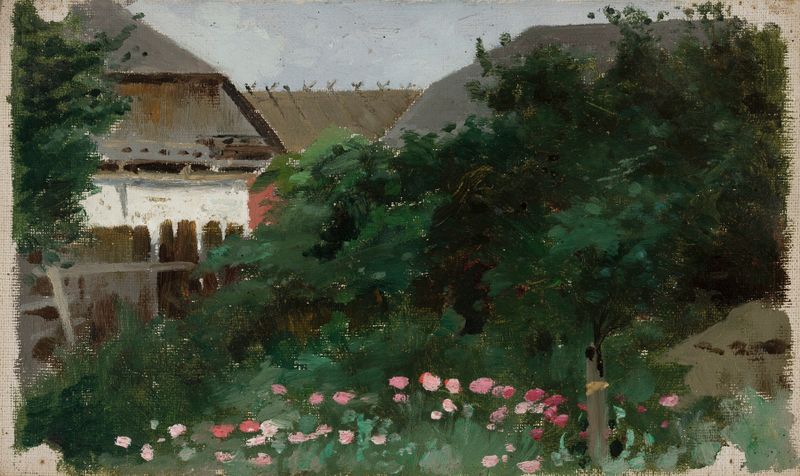
Rye sheaves in the field, study for the triptych ‘Bread’ — History & Facts
Who listens when art speaks of silence? A stillness pervades, inviting us to consider the weight of unvoiced narratives hidden within shadowed forms. Look to the left at the gentle curve of the rye sheaves, their golden hues dancing in the soft light that navigates through the brushwork. Notice how each stalk, meticulously rendered, rises with a quiet strength, creating a rhythmic cadence across the canvas. The earthy tones juxtaposed with delicate highlights evoke a warm embrace of late afternoon sun, while the subtle play of shadows beneath each bundle hints at both fertility and transience. Digging deeper, the artist captures a profound sense of connection between life and sustenance, evoking the timeless cycle of growth and decay.
The shadows cast by the sheaves are not mere absence of light; they represent the unseen labor and toil of those who cultivate the land. This interplay of light and shadow signifies the duality of life’s bounty — abundant yet fleeting — weaving together themes of nourishment and mortality. In 1908, Zdzisław Jasiński created this study while immersed in a burgeoning Polish art scene that sought to embrace national identity through the portrayal of rural life. The early 20th century was marked by political upheaval in Poland, and artists like him aimed to reflect the struggles and resilience of the agrarian community.
This work serves not only as a study for a larger piece but also as a testament to the enduring spirit of the land and its people during a time of change.