
Saint Anna Almshouse in the Otto Veniusstraat Antwerp — History & Facts
When did color learn to lie? In the delicate embrace of time, hues dance with memories, whispering secrets of the past and echoes of lives once lived. Focus on the soft, muted palette that defines the scene; it invites contemplation rather than confrontation. Look closely at the warm earth tones, where ochres meet soft grays, suggesting both stability and decay. The architecture of the almshouse looms large, its stoic façade juxtaposed against the fleeting nature of human life.
Notice how the light filters softly through the trees, casting dappled shadows that cradle the structure in a gentle embrace, hinting at the passing of days and seasons. Yet, the tranquility of the composition belies a deeper narrative. Each window, with its reflected light, mirrors lives and stories, offering glimpses of the inhabitants' resilience and fragility. The careful arrangement of elements evokes a sense of waiting, as if the building itself holds its breath in the presence of history.
This tension between permanence and impermanence invites viewers to ponder their own relationship with time and memory. Schaefels created this work during a period of transition in Antwerp, likely in the late 19th century, a time marked by rapid urban changes and a search for identity in art. As he portrayed the almshouse, a symbol of compassion and shelter, the artist was navigating the evolving landscape of realism, seeking to capture the essence of human experience amidst societal shifts.
More Artworks by Henri François Schaefels
Browse all →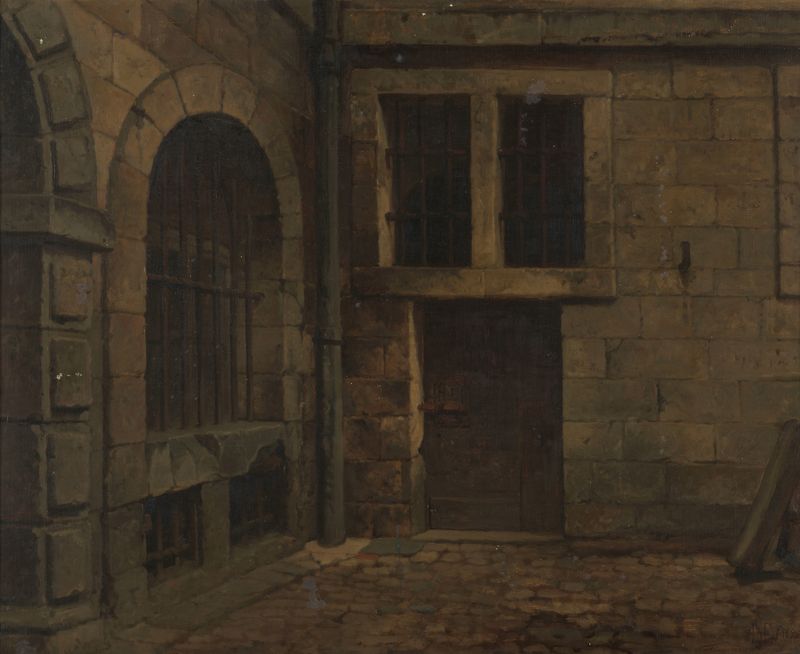
Old Courtyrad of Antwerp Town Hall
Henri François Schaefels
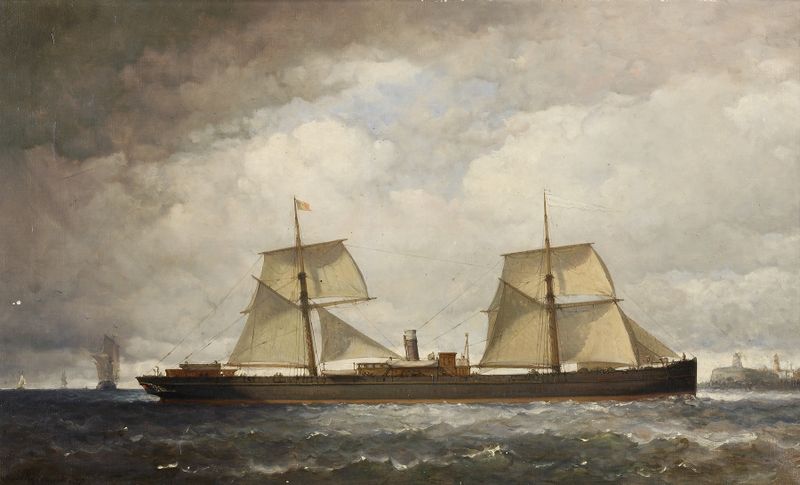
Het stoomschip met hulpzeilvermogen Ferdinand van der Taelen vaart de Schelde op
Henri François Schaefels

A Naval Battle
Henri François Schaefels
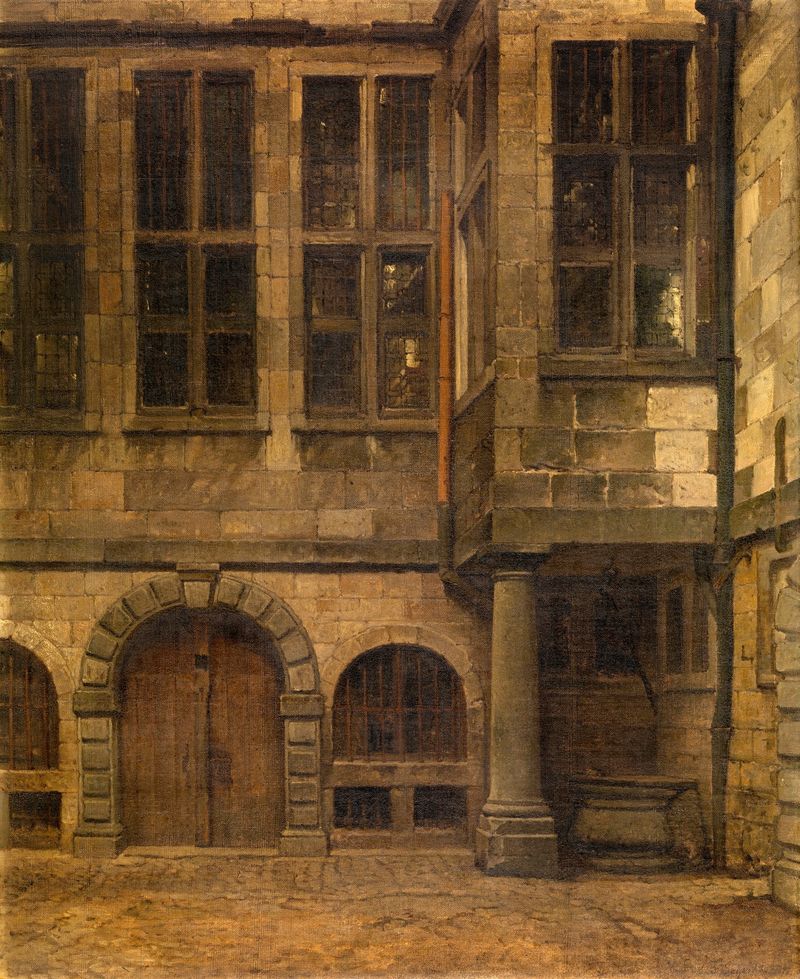
Old Courtyard of Antwerp Town Hall
Henri François Schaefels
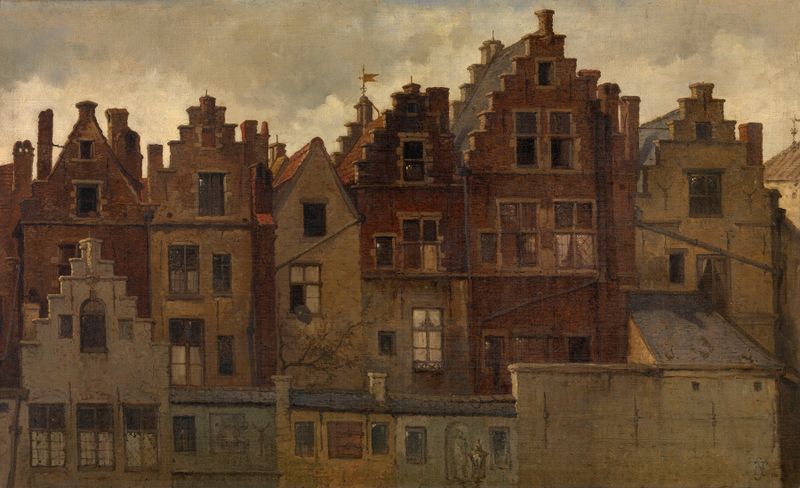
Old Façades on the Handschoenmarkt
Henri François Schaefels

Stoelstraatje and the Tower of the St Paul’s Church
Henri François Schaefels
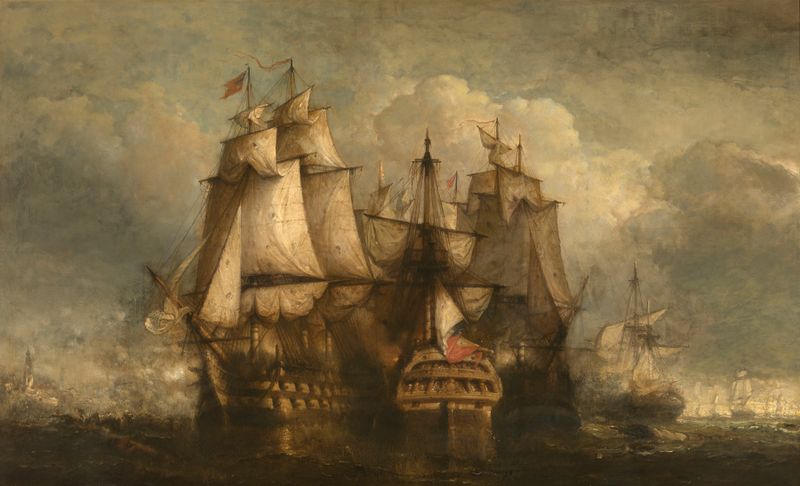
Siege of Vlissingen by an English Squadron
Henri François Schaefels

The Vleeshuis and Old Houses
Henri François Schaefels
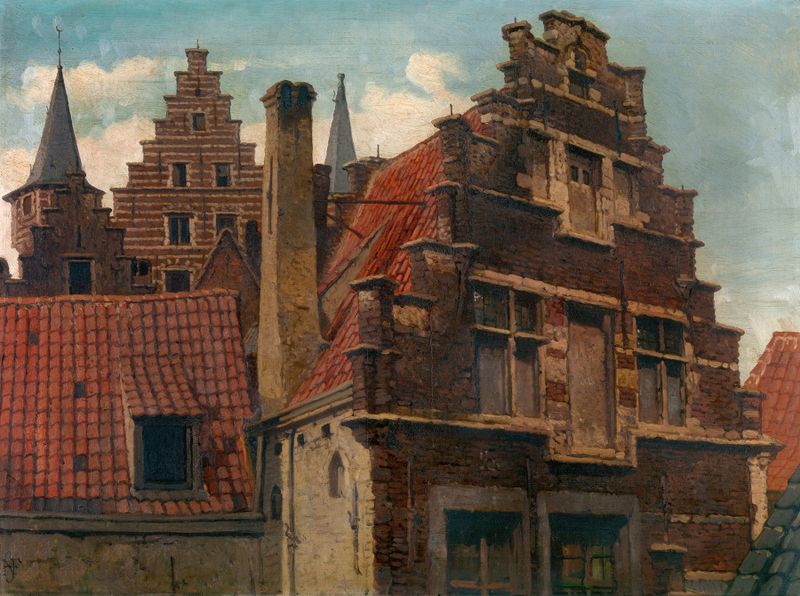
The Vleeshuis and Old Houses 2
Henri François Schaefels
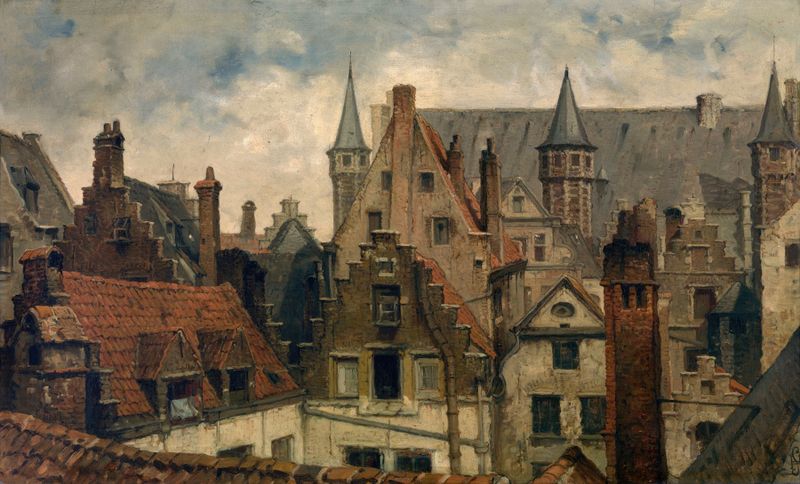
The Vleeshuis, Old Roofs and Crow-Stepped Gables
Henri François Schaefels
More Architecture Art
Browse all →
The statue of Liberty
Frédéric Auguste Bartholdi

View of Houses in Delft, Known as ‘The Little Street’
Johannes Vermeer

View of Houses in Delft, Known as ‘The Little Street’
Johannes Vermeer

The Cathedral in Rouen. The portal, Grey Weather
Claude Monet

The yellow house
Vincent van Gogh

The Church in Auvers-sur-Oise, View from the Chevet
Vincent van Gogh