
Saint Nicholas of Bari — History & Facts
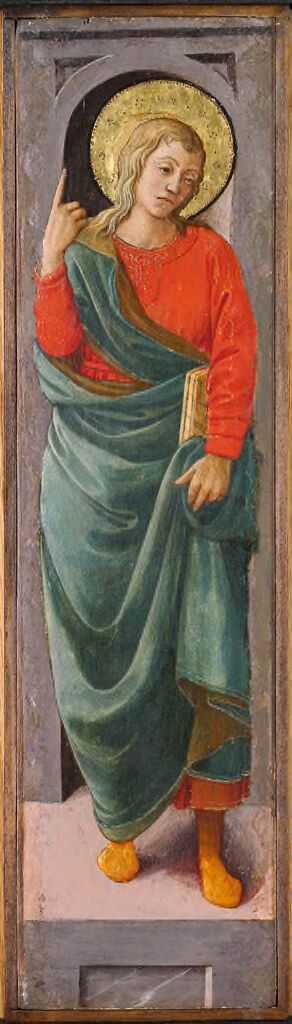
Could a single brushstroke hold eternity? In Saint Nicholas of Bari, the revelation of faith dances across the canvas, inviting viewers to contemplate the sacred and the divine. Look to the left at the figure of Saint Nicholas, his gaze gentle yet commanding, capturing the essence of benevolence. Notice how the warm, golden light envelops his worn robes, contrasting with the cooler tones of the background. The artist’s keen attention to detail in the fabric drapery reveals a masterful understanding of texture, while the delicate play of light and shadow breathes life into the saint’s expression.
Each fold in the garment whispers tales of humility and grace. Delve deeper, and you’ll uncover the emotional tensions within this serene tableau. The placement of Saint Nicholas in the foreground hints at his role as a protector and benefactor, while the distant figures in prayer amplify the sense of reverence. A hint of melancholy dances in the saint's knowing smile, suggesting a lifetime of sacrifice and compassion.
This juxtaposition of warmth and solemnity creates an inviting yet profound atmosphere, urging contemplation on the nature of generosity and the spirit of giving. Filippo Lippi painted this work in Florence between 1450 and 1469, a period marked by the blossoming of Renaissance ideals. As he navigated personal challenges, including the complexities of his relationships and artistic ambitions, the world around him was experiencing a revival of classical themes and humanist thought. This painting reflects not just a moment of devotion but the very essence of a society grappling with the intersection of faith and human experience.
More Artworks by Filippo Lippi
Browse all →
More Religious Art
Browse all →
The Return of the Prodigal Son
Rembrandt van Rijn

The Garden of Earthly Delights
El Bosco

Count Orgaz’ funeral
El Greco

The Hundred Guilder Print: the central piece with Christ preaching, the plate arched
Rembrandt van Rijn

The Descent from the Cross
Rogier van der Weyden

The return of the prodigal son
Rembrandt van Rijn