Salt cellar in the shape of a seated figure — History & Facts
In the delicate contours of this salt cellar lies an embodiment of trust and betrayal, captured in the form of a seated figure. Every glance at this small vessel evokes a deep emotional resonance, whispering secrets of intimacy and the fragility of human connection. Look closely at the figure’s delicate hands, resting gently on its knees. Notice how the smooth porcelain contrasts with the textured surface of the salt cellar, creating a visual dialogue between vulnerability and strength.
The elegant curvature of the figure’s body draws your eye upward, while the gentle glaze reflects light, giving the illusion of warmth emanating from within. This masterful blend of form and function elevates the piece, inviting exploration of its functional purpose as well as its artistic allure. Beneath this playful exterior lies a story of betrayal, as the salt cellar, a vessel of sustenance, can also symbolize the seasoning of discord. The figure’s blank expression captures an unsettling stillness, suggesting a moment frozen in time where trust has faltered.
The ornate details define not just beauty, but also a longing for connection—perhaps hinting at the fragility of relationships nurtured over time, yet subject to the uninvited sting of disloyalty. Crafted between 1750 and 1780 by an unknown artist, this piece reflects a time when the Rococo style flourished, characterized by its exuberance and charm. During this period, artisans often infused their work with layers of meaning, capturing the intricacies of human emotion amidst the grandiosity of the era. Though the creator remains nameless, their legacy endures, inviting us to confront the complexities of human relationships through the lens of exquisite craftsmanship.
More Artworks by Unknown Artist
Browse all →
Ridder, Dood en Duivel
Unknown Artist
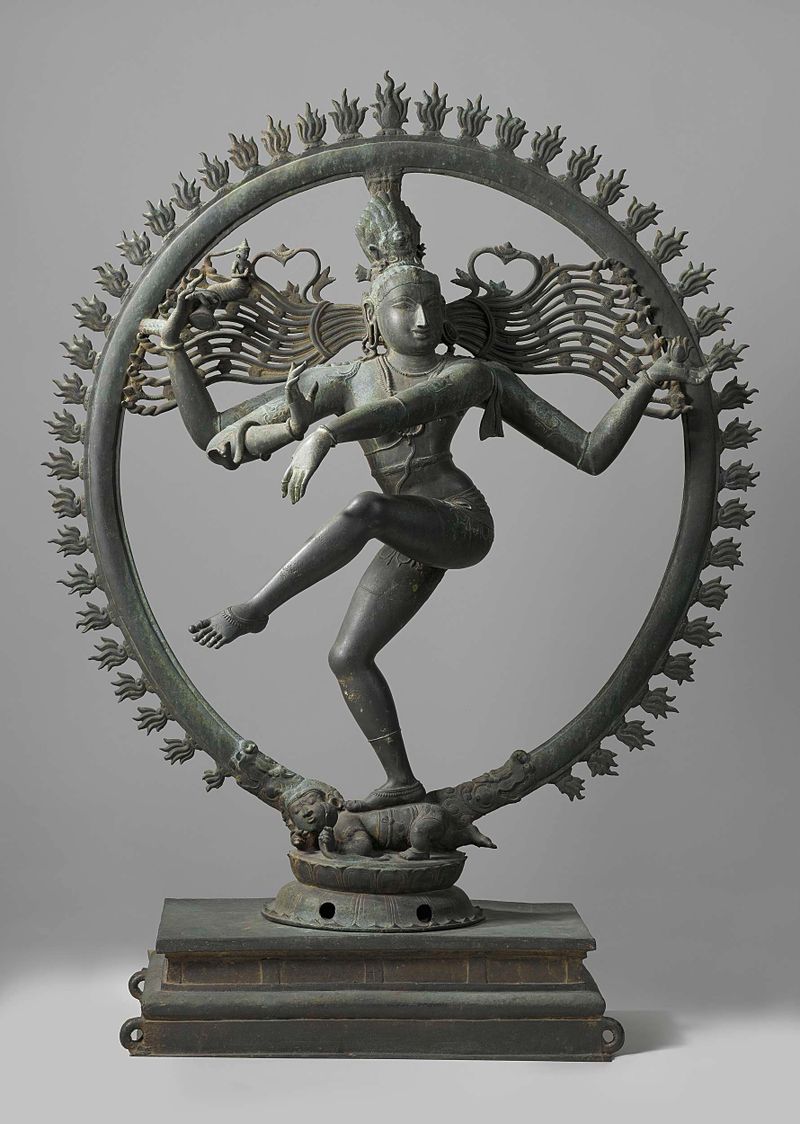
Shiva Nataraja
Unknown Artist
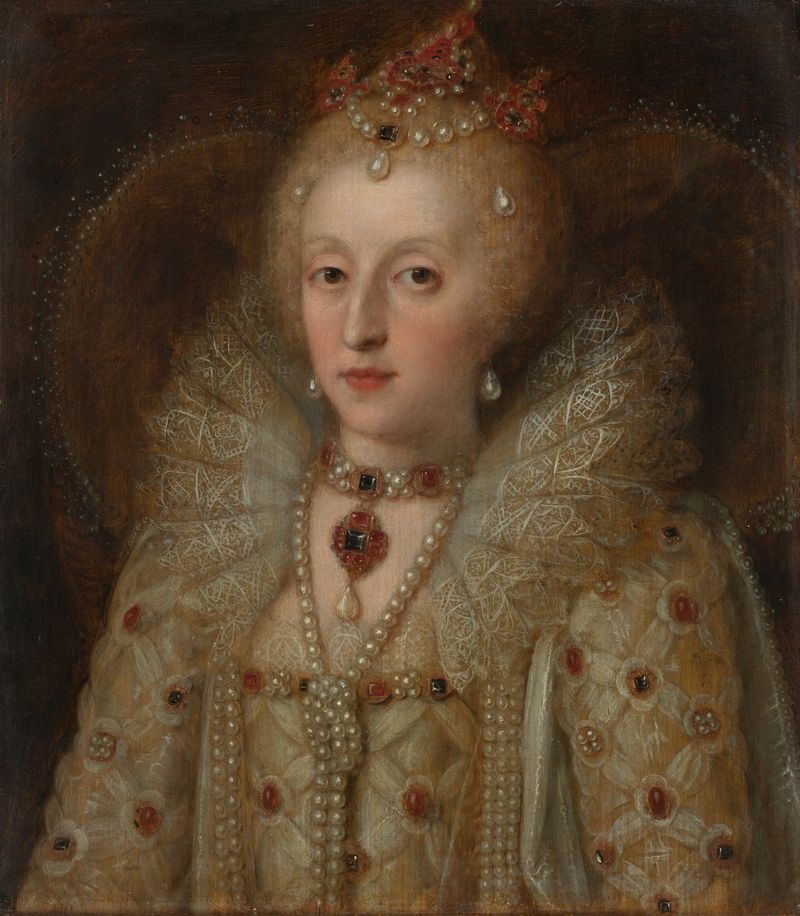
Portrait of Elizabeth I, Queen of England
Unknown Artist
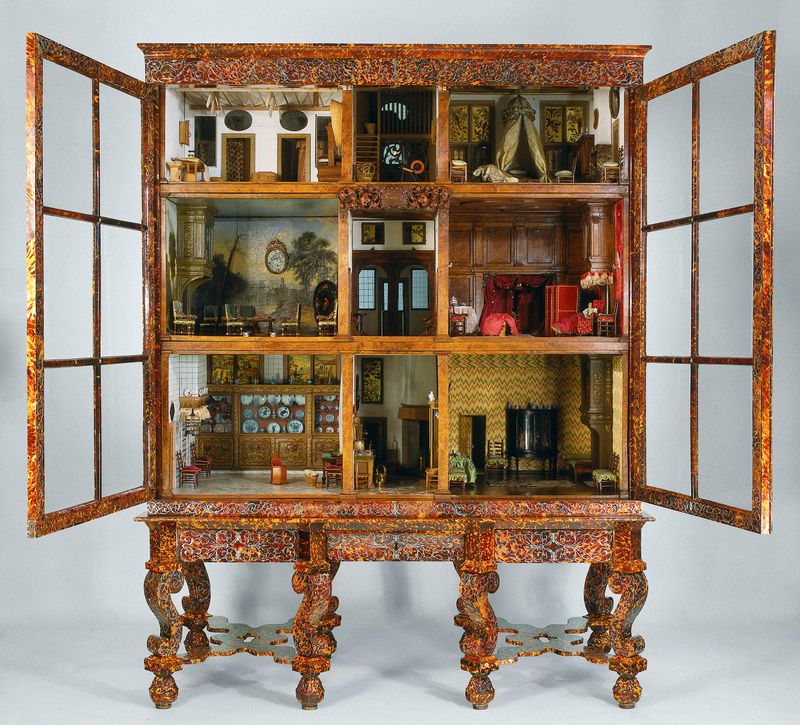
Dolls’ house of Petronella Oortman
Unknown Artist
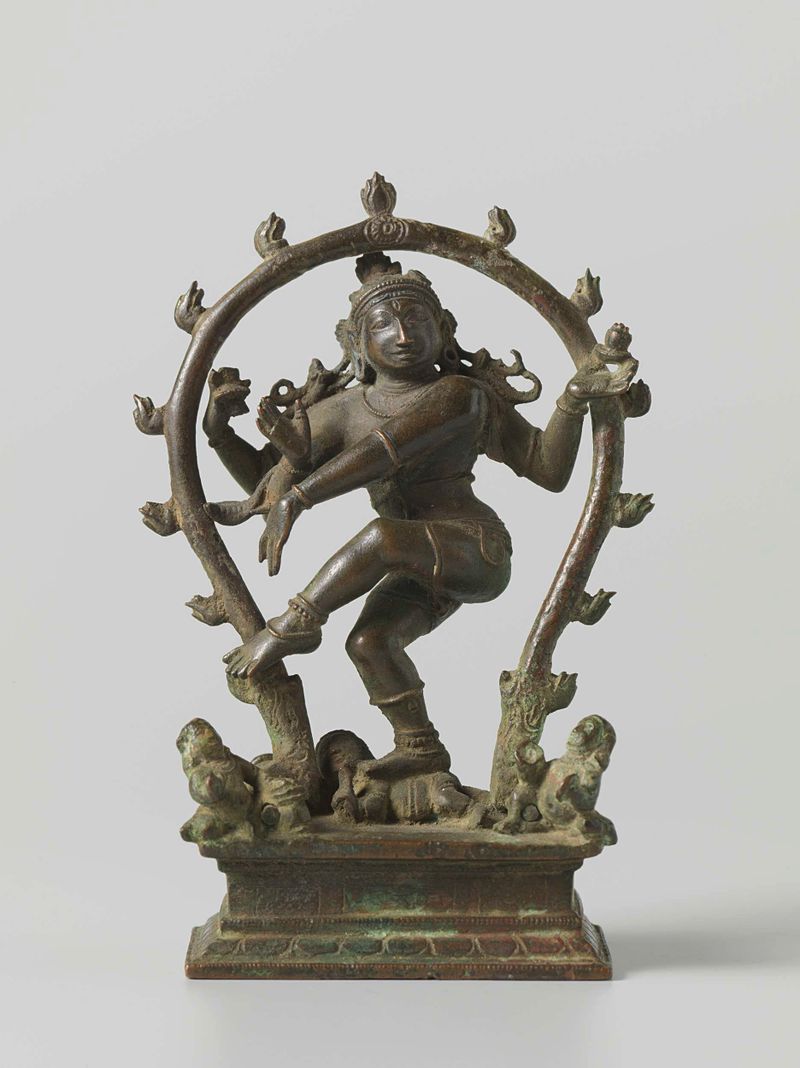
Shiva Nataraja
Unknown Artist

The Tale of Genji
Unknown Artist

The Tale of Genji
Unknown Artist

Cong
Unknown Artist
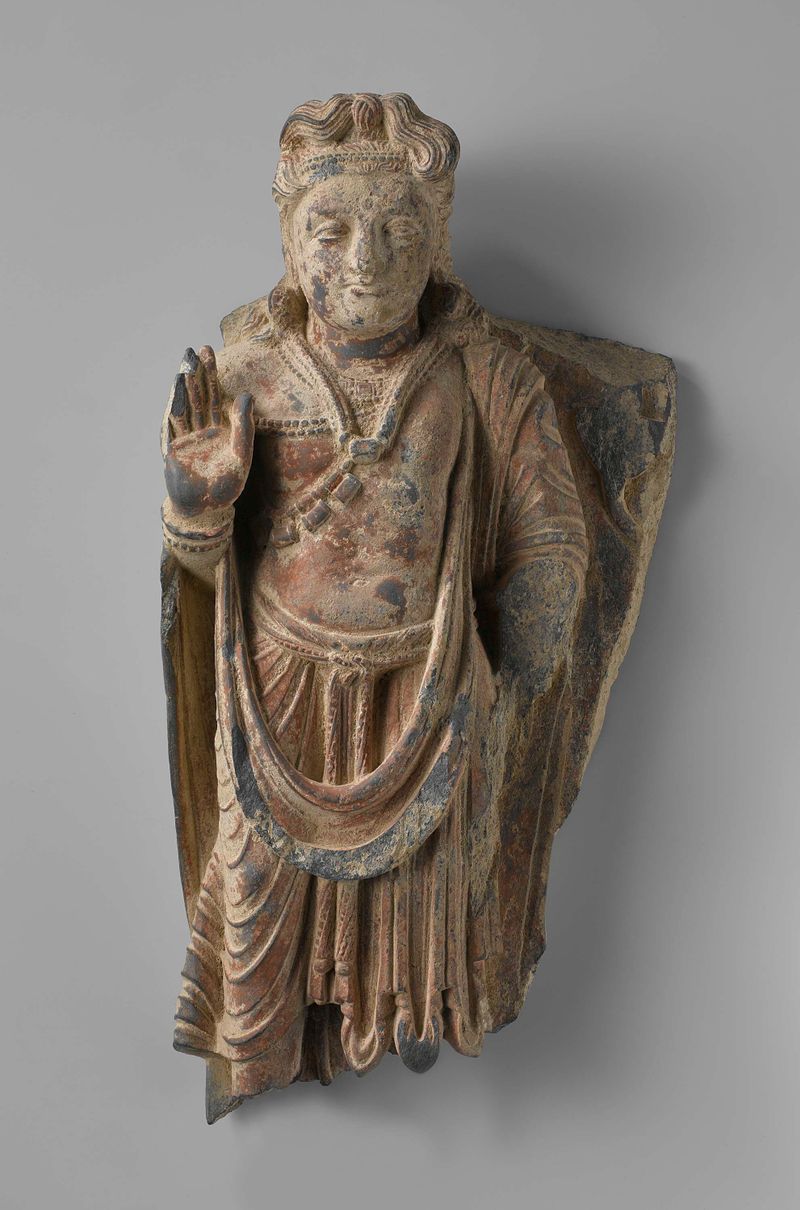
The bodhisattva Maitreya
Unknown Artist

Teabowl with a 'hare's fur' glaze
Unknown Artist