
San Gimignano — History & Facts
No one knows exactly when or why Hermann Lismann painted San Gimignano, but the work stands as a rare testament to the artist’s fascination with Italian hill towns—a subject he returned to throughout his career. The painting’s date and medium remain uncertain, yet its subject is unmistakable: the medieval towers of San Gimignano, a town whose skyline once boasted more than seventy stone towers, each built by rival families in a display of wealth and power. The enduring mystery around the painting’s origins has led some scholars to speculate whether it was painted during Lismann’s Italian sojourn in the early twentieth century, or later, as a memory piece.
What is certain is that San Gimignano captures a place that, for centuries, has inspired artists, travelers, and writers alike. Lismann chooses a vantage point that draws the eye upward, emphasizing the verticality of the town’s famous towers as they pierce the Tuscan sky. The arrangement of the buildings, clustered yet distinct, echoes the medieval competition that shaped San Gimignano’s unique profile. Warm, earthy tones suggest late afternoon light, casting long shadows across the stone facades and lending a sense of both age and endurance to the scene.
Unlike the bustling market scenes found in works by Ettore Roesler Franz, another painter of Italian cityscapes, Lismann’s view is quiet, almost contemplative, focusing on architecture rather than daily life. The absence of figures invites the viewer to imagine the generations who built, defended, and inhabited these towers. Little is known about the early history of San Gimignano as an object. No records survive of its first owner or its journey through private hands, and it is not listed in major auction catalogues.
The painting’s current location is in an online gallery, reflecting a broader trend in the rediscovery and digital exhibition of works by lesser-known artists like Hermann Lismann. For Lismann, whose career spanned several countries and styles, this painting is a testament to his enduring interest in place and memory. Today, San Gimignano stands as a quiet monument to both a storied town and an artist’s lifelong fascination with the landscapes of Europe.
More Artworks by Hermann Lismann

Reclined woman
Hermann Lismann
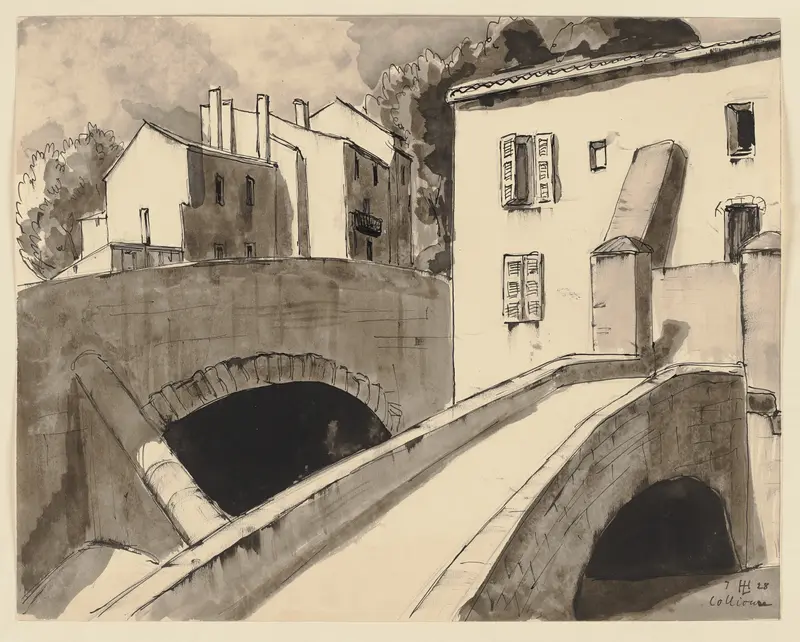
Collioure
Hermann Lismann
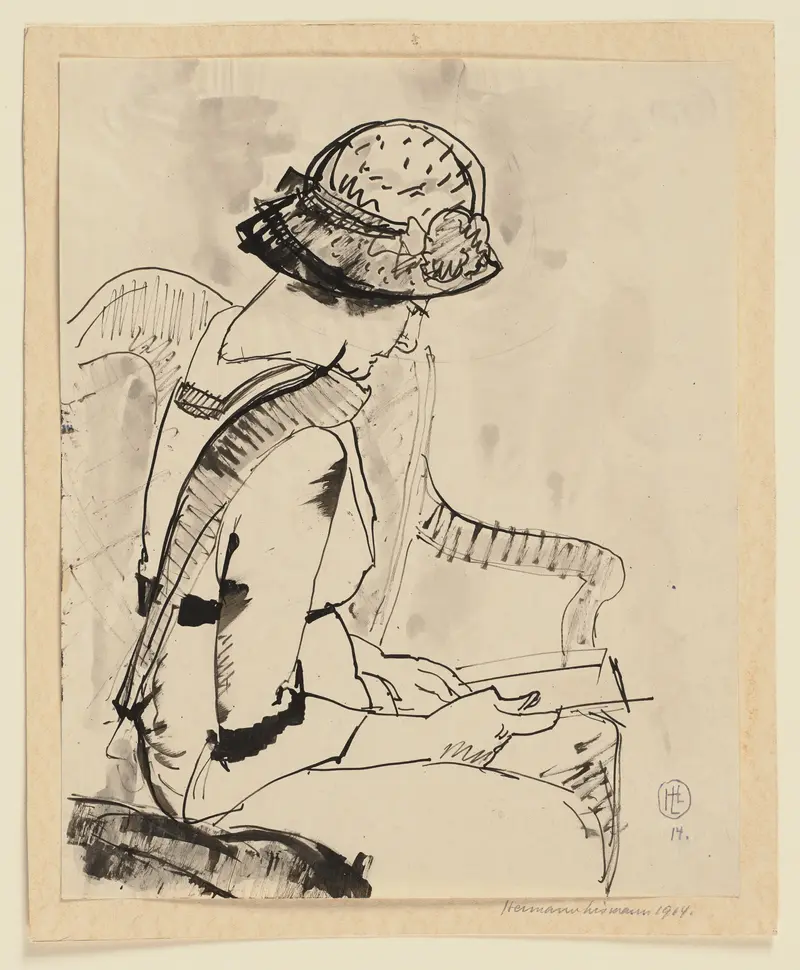
Lesende Frau im Profil nach rechts
Hermann Lismann
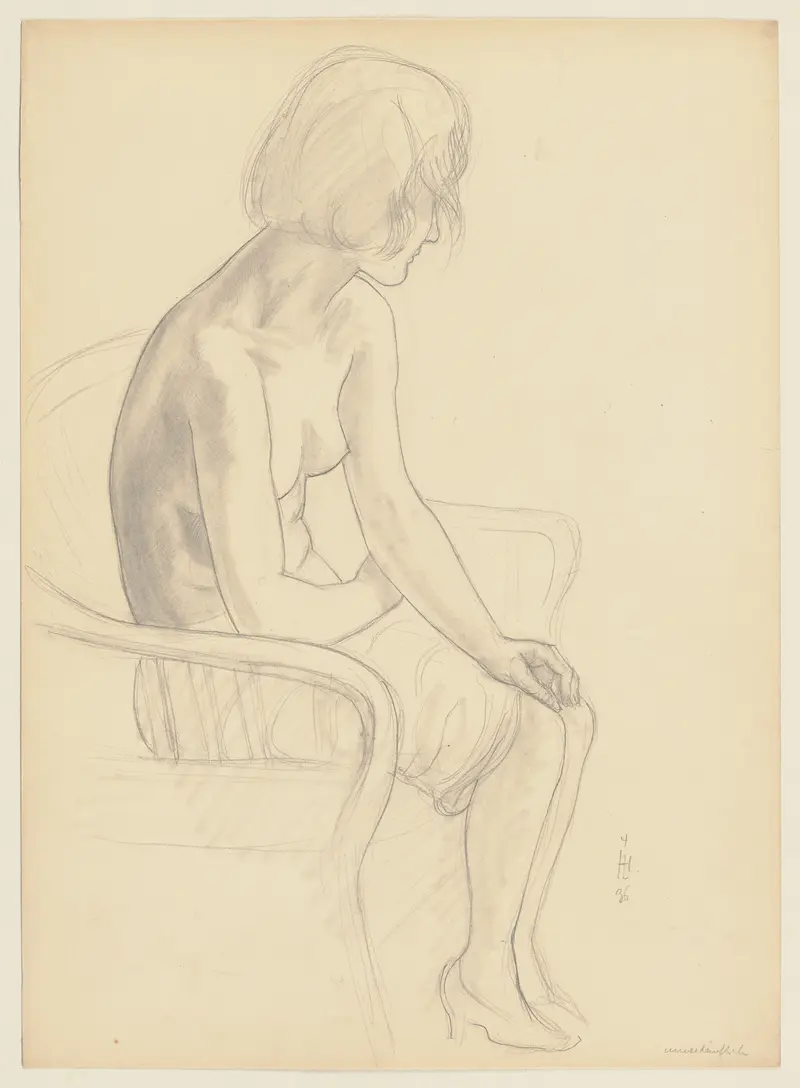
Sitzender Frauenakt auf einem Stuhl
Hermann Lismann
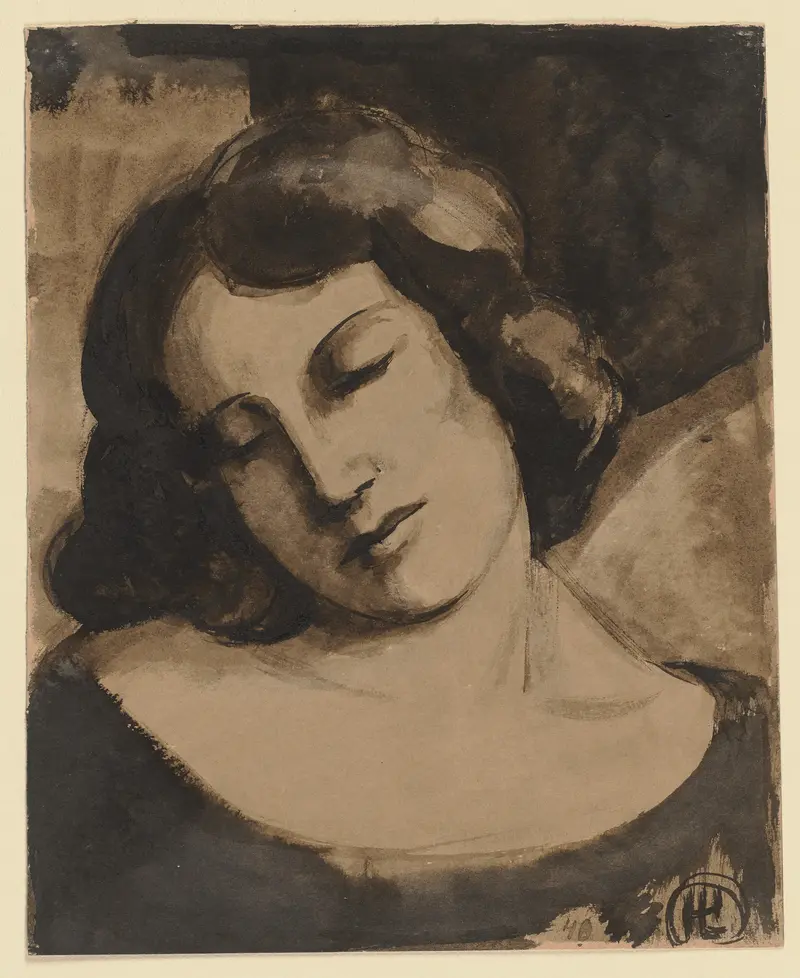
Frauenkopf mit geschlossenen Augen
Hermann Lismann
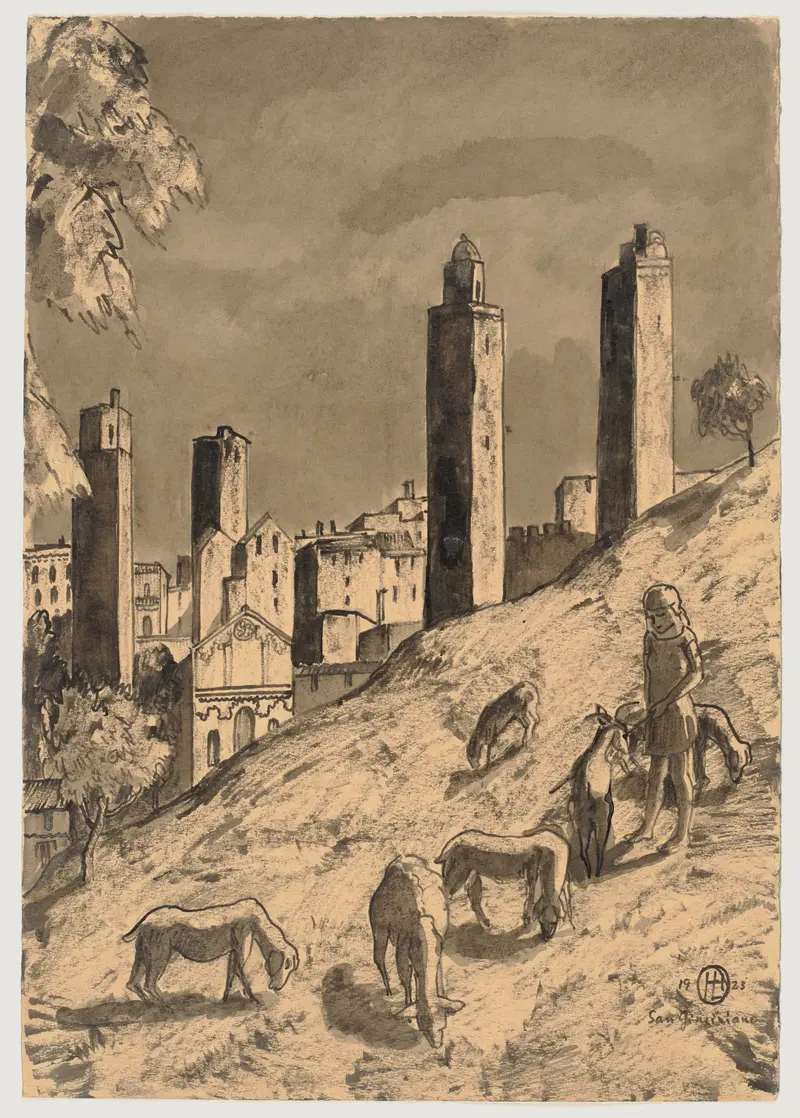
San Gimignano
Hermann Lismann
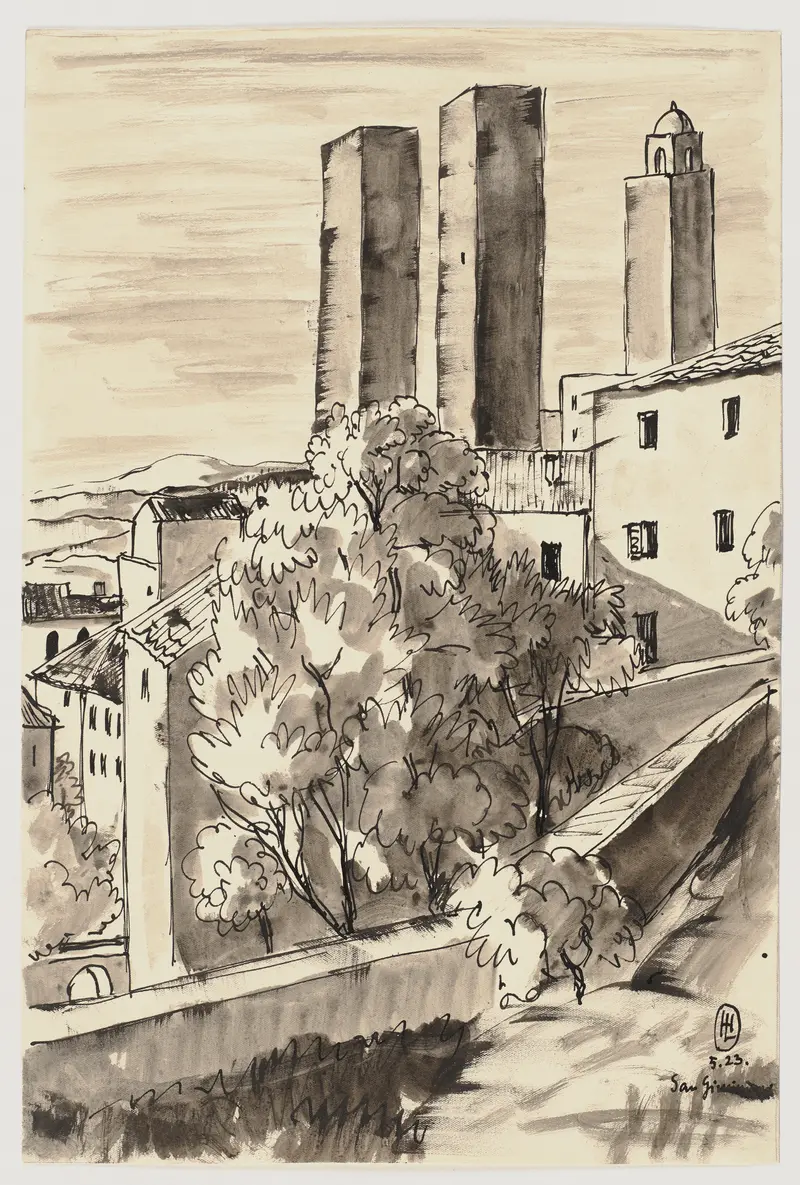
San Gimignano
Hermann Lismann
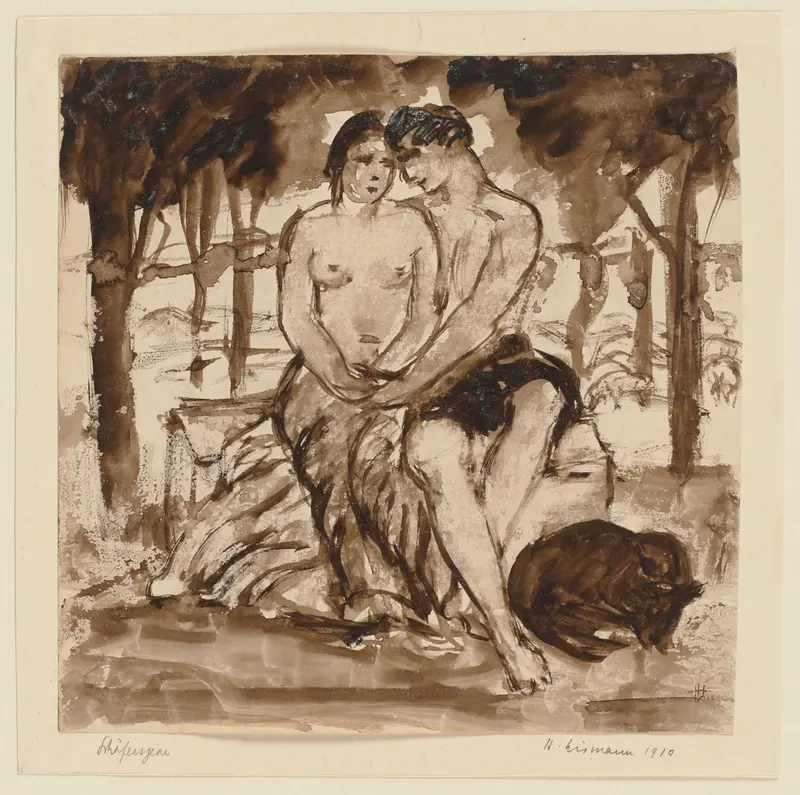
Schäferszene; Paar mit nacktem Oberkörper unter Bäumen sitzend, neben ihnen ein Hund
Hermann Lismann
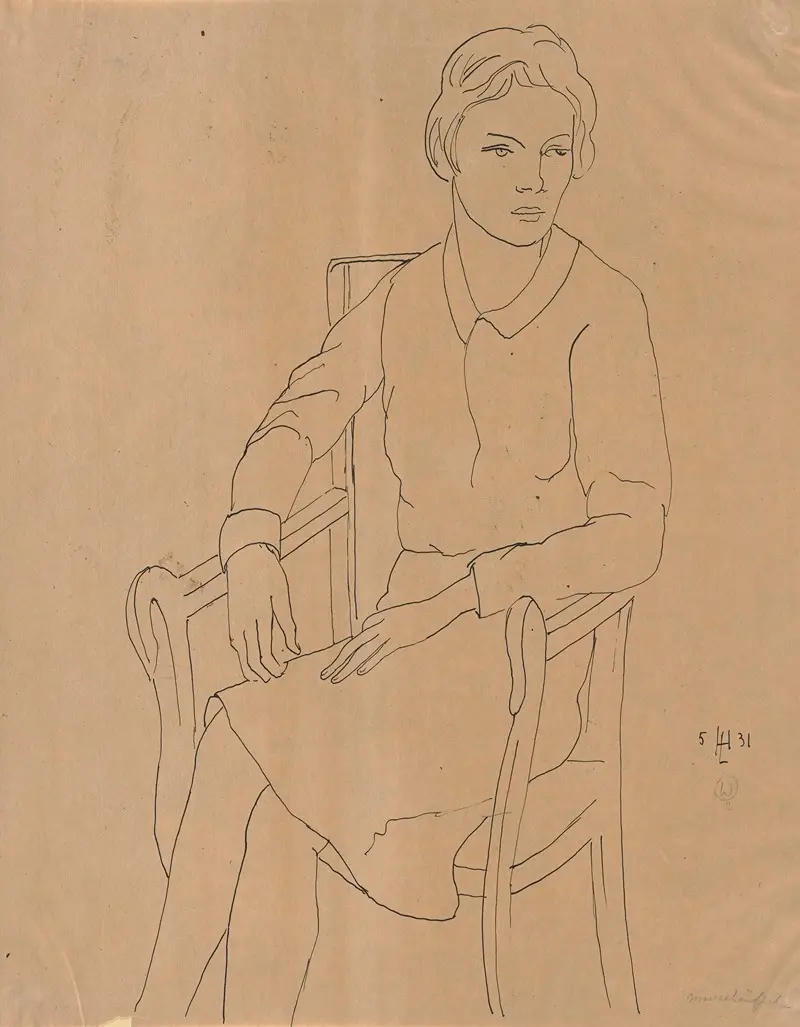
Sitzende Frau auf einem Stuhl
Hermann Lismann
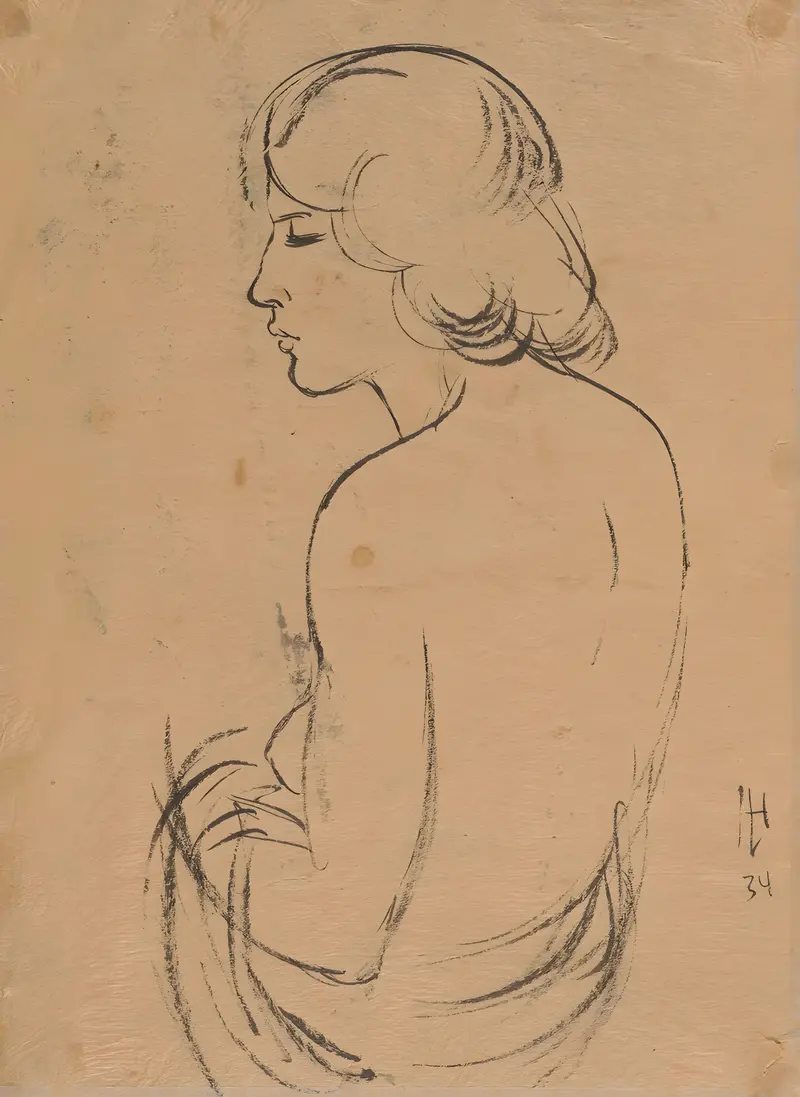
Frauenakt im Profil nach links
Hermann Lismann





