San Giorgio Maggiore — History & Facts
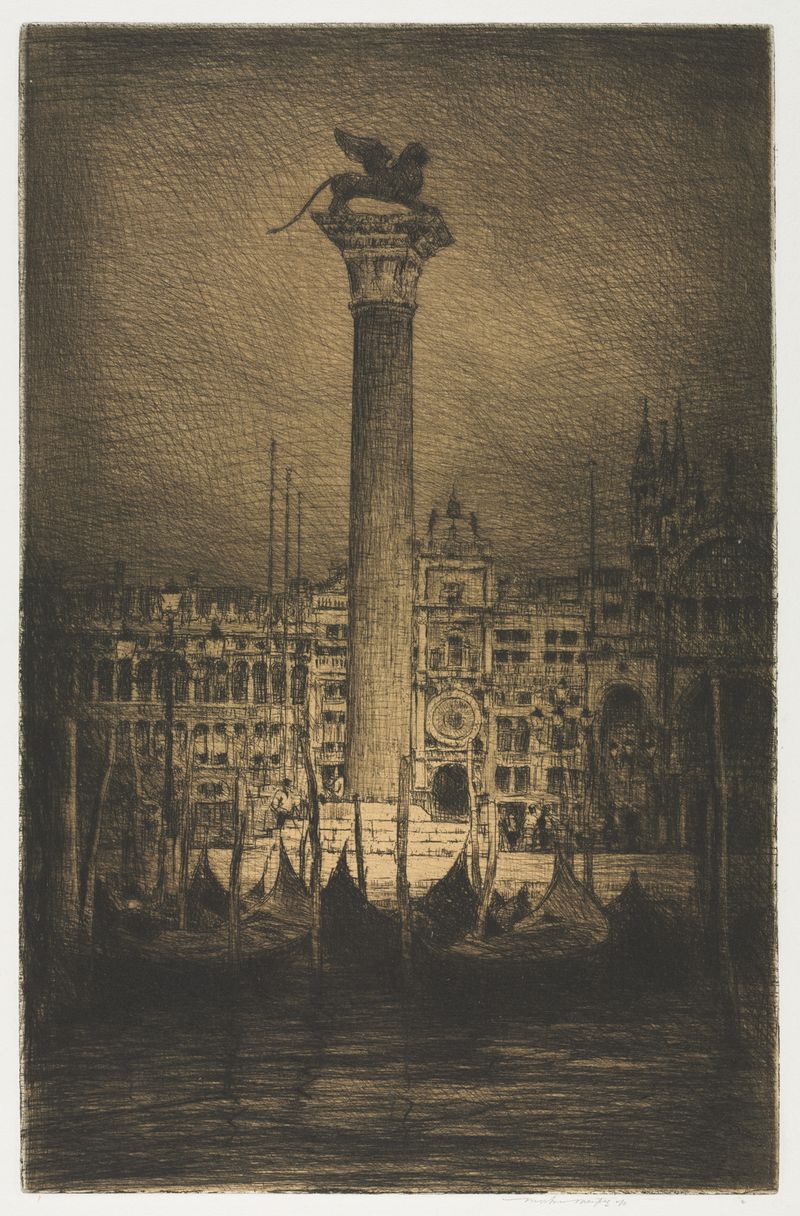
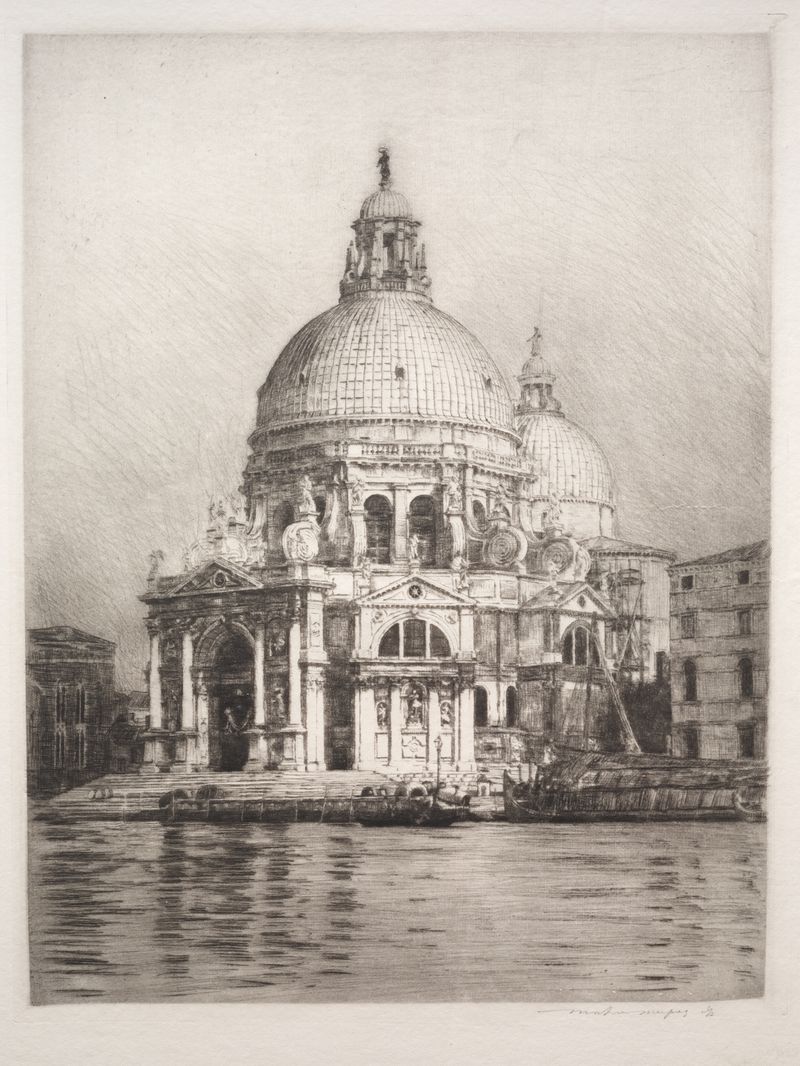
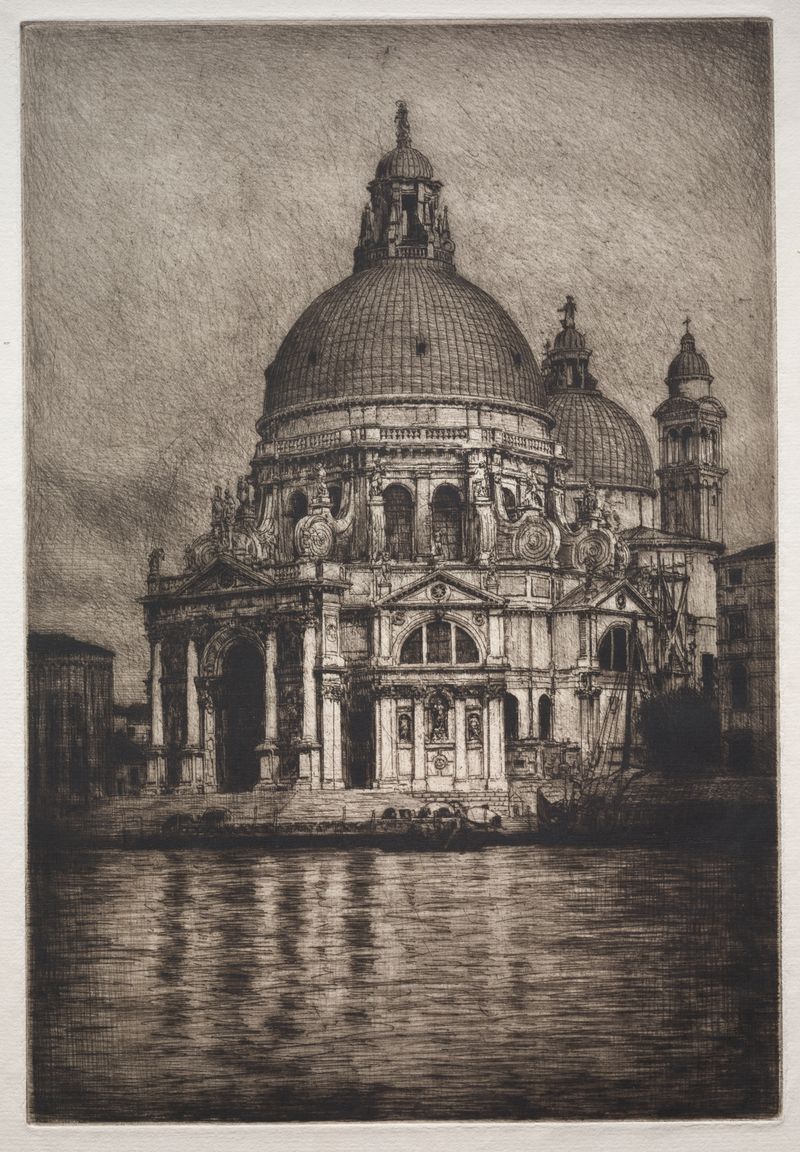
What if beauty was never meant to be finished? In San Giorgio Maggiore, the unfolding landscape suggests that truth lies in the ephemeral, revealing moments suspended in time. Look to the center of the canvas where the ethereal silhouette of San Giorgio Maggiore rises majestically against a twilight sky. The warm hues of orange and soft pink blend seamlessly with the cool blues of the water, creating a harmonious balance that pulls the viewer into the scene. Notice how the delicate brushstrokes capture the subtle ripples of the canal, mirroring the colors of the heavens above, while the reflections shimmer with an ephemeral quality that evokes both serenity and longing. Within this composition, there exists a quiet tension between the solid presence of the church and the transient nature of the surrounding water.
The juxtaposition of the enduring architecture against the fluidity of the lagoon hints at the eternal search for truth amidst life's fleeting moments. Additionally, the soft, diffused light enveloping the scene creates a contemplative atmosphere, inviting the viewer to ponder the layers of beauty nestled within the everyday. In 1910, while living in England, Menpes painted San Giorgio Maggiore during a period of artistic exploration and travel. His works were heavily influenced by the Impressionist movement, seeking to capture light and atmosphere rather than mere representation.
This painting reflects the artist's desire to convey not only the physical beauty of Venice but also an emotional resonance, especially as he engaged with the shifting currents of early 20th-century art.