Scalloped Dish — History & Facts
The delicate interplay of form and function invites us to reflect on the beauty found in simplicity. A scalloped dish, crafted with precision, holds echoes of an era where artistry transformed everyday objects into timeless treasures. Look closely at the intricate edges of the dish, where each curve is lovingly traced, forming a rhythm that draws your eye. Notice the subtle variations in color—soft whites blending into muted pastels—that create a luminous quality.
The glossy glaze catches the light just right, turning this utilitarian piece into a canvas of quiet elegance. Each scallop seems to whisper stories of the hands that shaped it, inviting the viewer to consider the intersection of art and utility. Delve deeper into the symbolism of the dish. Its scalloped edges may represent the passage of time, reminiscent of waves softly lapping at the shore, while the gentle hues evoke tranquility amidst the chaos of daily life.
The dish stands as a testament to a world where craftsmanship was revered, reflecting an era’s values of beauty and functionality intertwined. It speaks to a delicate balance between the ordinary and the extraordinary, urging us to see the artistry in our surroundings. Created between 1700 and 1724, this piece emerges from a period when decorative arts flourished in Europe, fueled by trade and cultural exchange. The artist, whose identity remains a mystery, crafted this dish during a time when objects such as these were not only functional but also symbols of status and refinement.
It was a time of burgeoning creativity, laying the groundwork for future artisans who would continue to blend beauty with purpose in their work.
More Artworks by Unknown Artist
Browse all →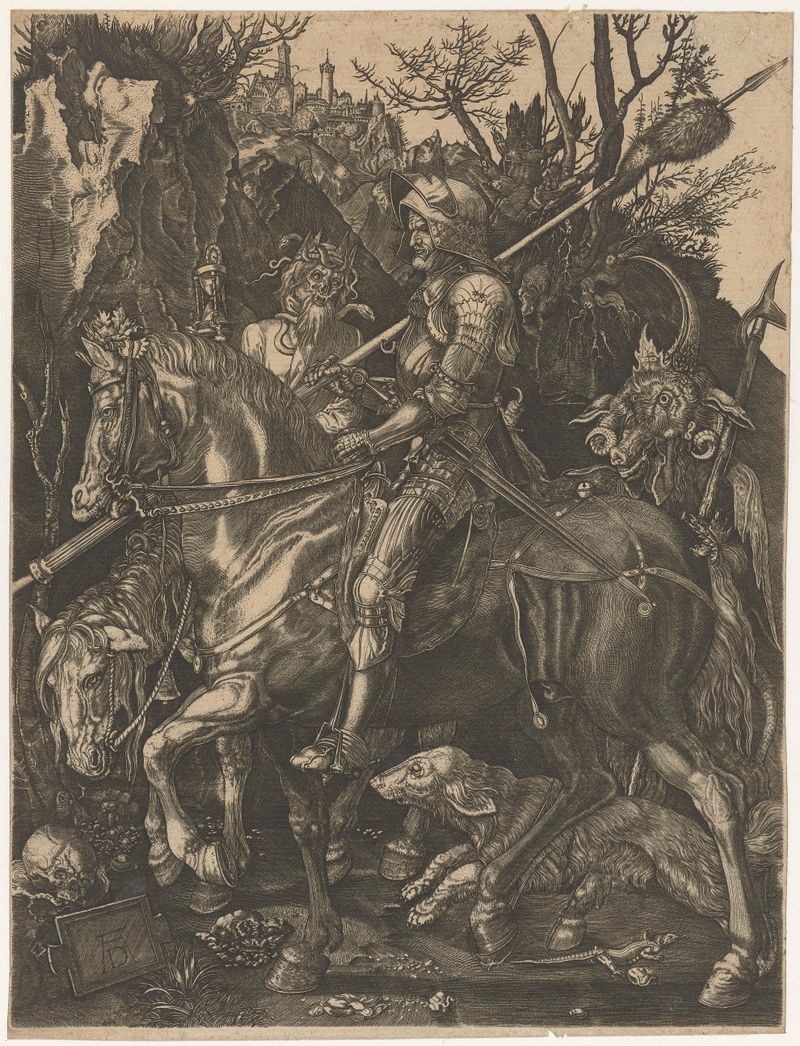
Ridder, Dood en Duivel
Unknown Artist
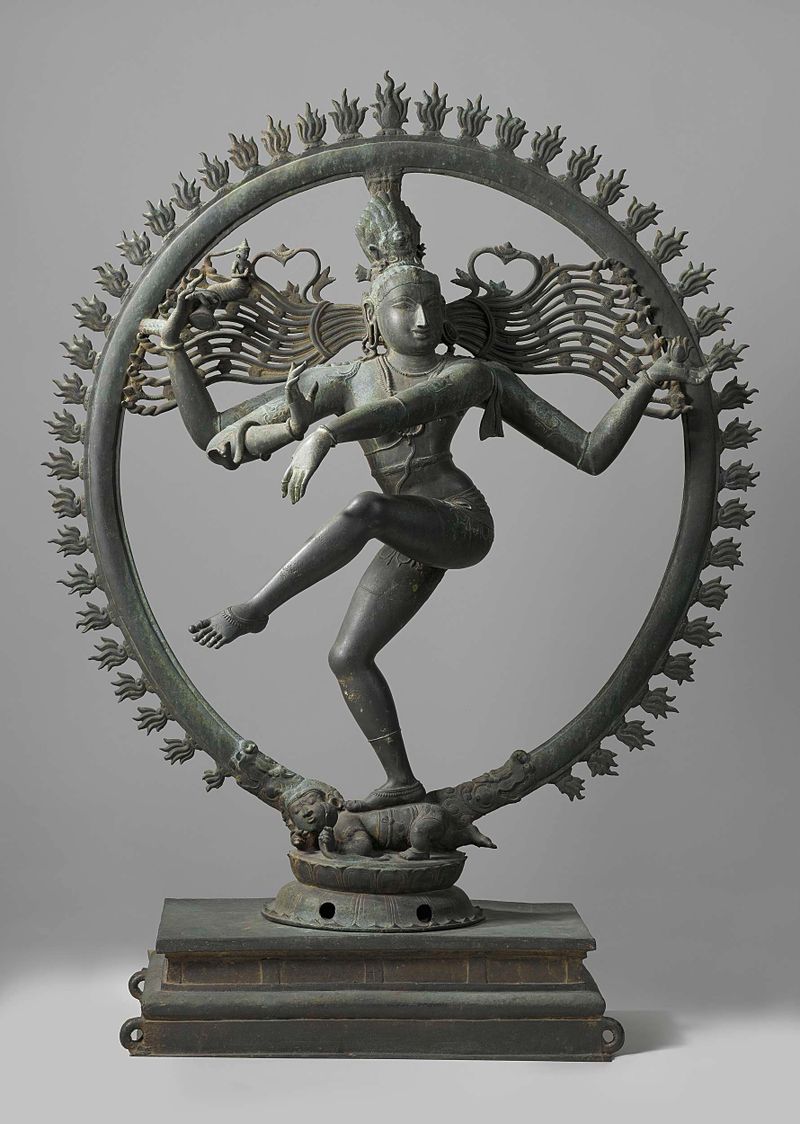
Shiva Nataraja
Unknown Artist
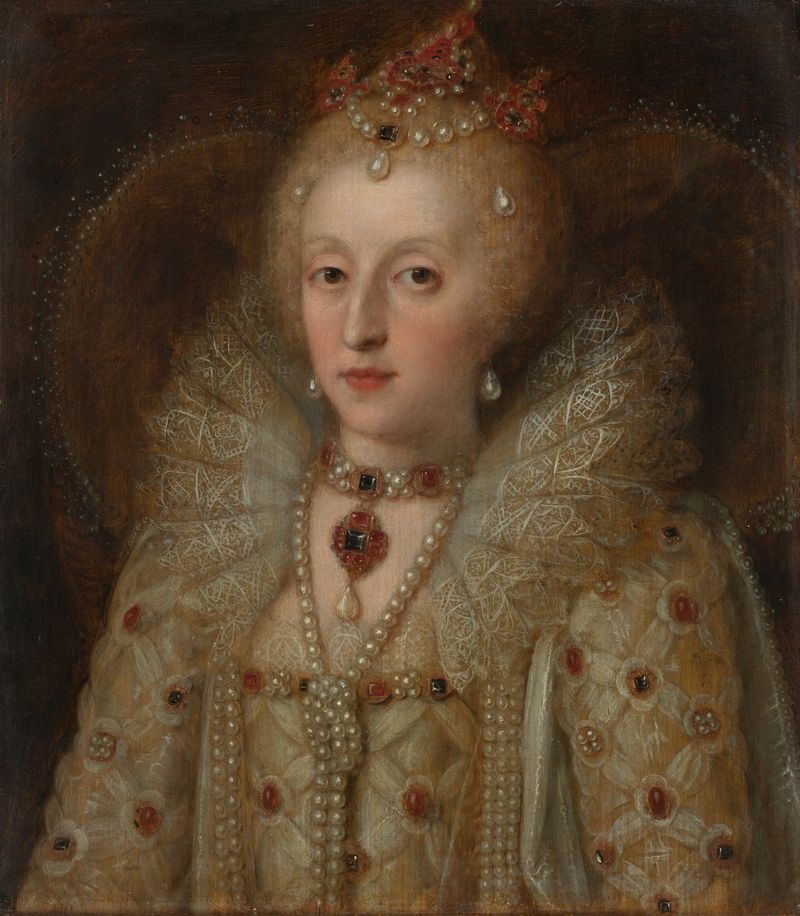
Portrait of Elizabeth I, Queen of England
Unknown Artist
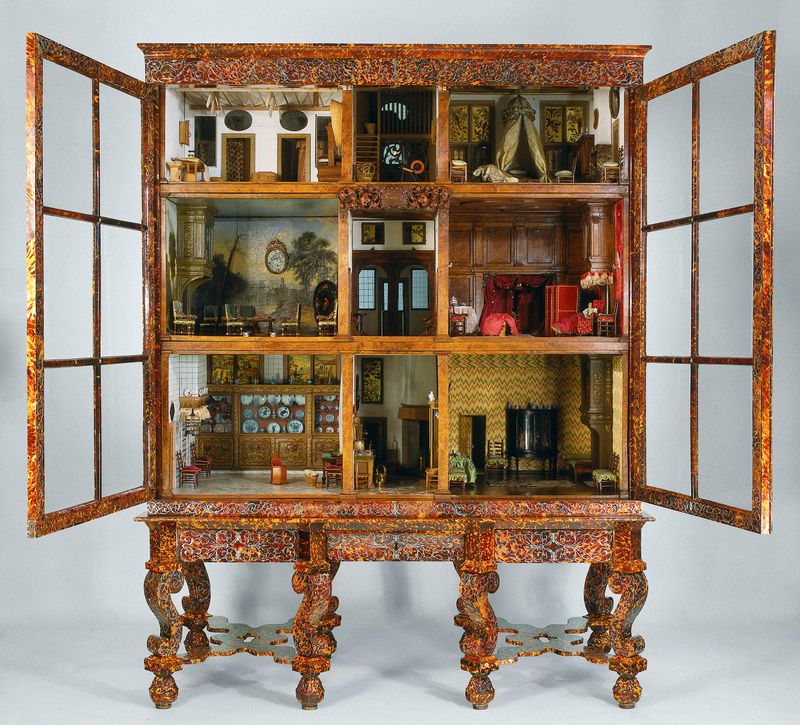
Dolls’ house of Petronella Oortman
Unknown Artist
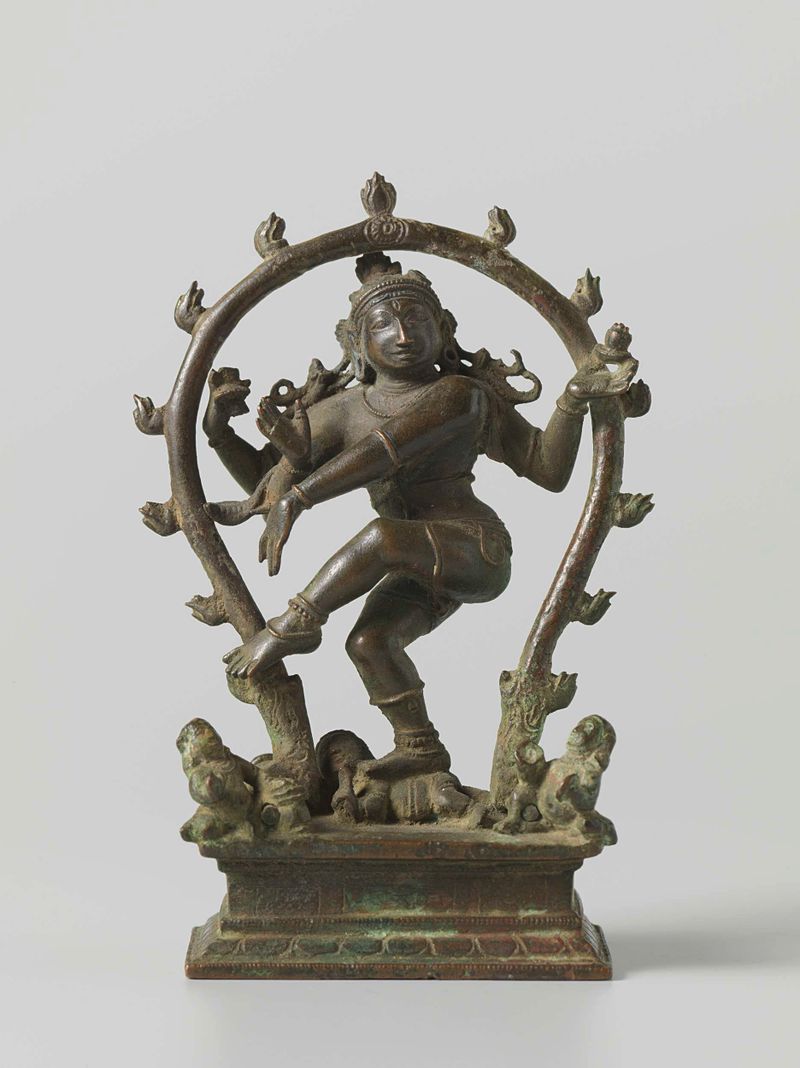
Shiva Nataraja
Unknown Artist

The Tale of Genji
Unknown Artist

The Tale of Genji
Unknown Artist

Cong
Unknown Artist
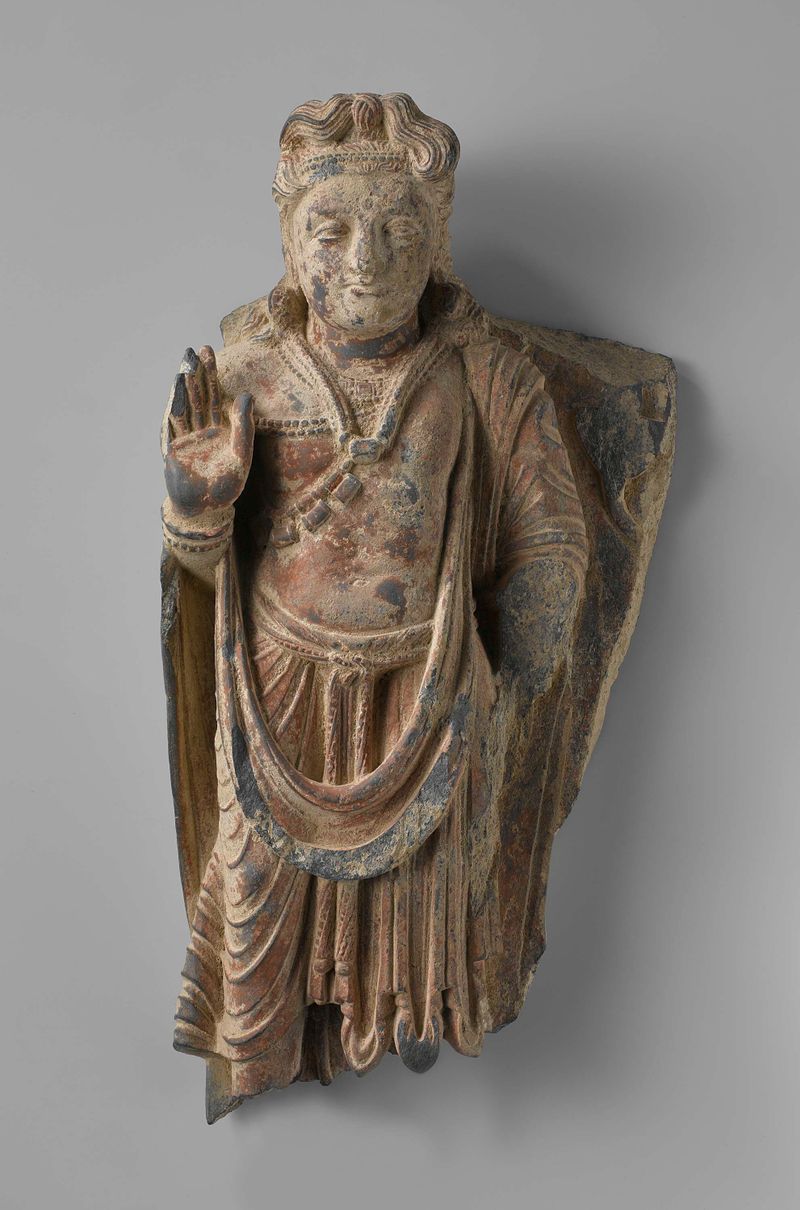
The bodhisattva Maitreya
Unknown Artist

Teabowl with a 'hare's fur' glaze
Unknown Artist