
Scary willow — History & Facts
This profound transformation lies at the heart of the artwork, inviting viewers to explore the delicate balance between fear and beauty. In a world swirling with turmoil, what does it mean to find transcendence amid darkness? Look to the center of the canvas, where an imposing willow tree stretches its gnarled branches as if yearning for the sky. The artist employs rich, deep greens and shadows to create a sense of depth, while flickers of light filter through the foliage, illuminating the tension between confinement and freedom.
Dappled strokes give the impression of movement, as if the tree sways with an unseen breeze, echoing the duality of nature's majesty and its menacing undertones. Hidden within the twisted limbs and chaotic forms are symbols of resilience and introspection. The dark bark, while foreboding, can also be seen as a protective shield, harboring the potential for growth and renewal. Meanwhile, the interplay of light and shadow reflects the inner struggles we all face—an invitation to confront our fears and embrace the beauty that arises from the chaos of existence. In 1926, Scary Willow emerged during Bohuszewicz's exploration of expressionism, a period marked by an attempt to convey emotional truths rather than mere representations.
Living in Poland, he was influenced by the tumultuous socio-political climate that surrounded him, seeking to capture the complexities of the human experience through his art. This piece stands as a testament to both his personal journey and the broader artistic evolution of his time.
More Artworks by Jan Bohuszewicz
Browse all →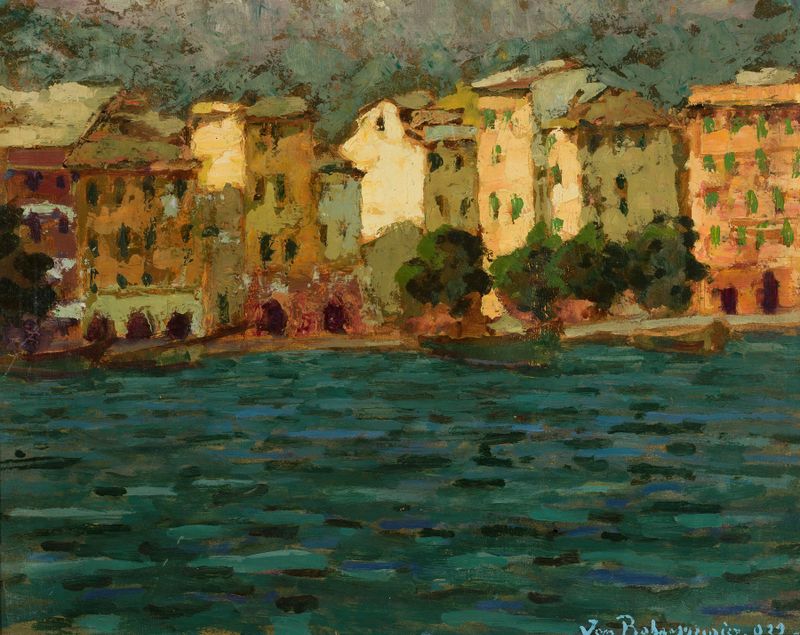
Port in the sunshine
Jan Bohuszewicz

Golden autumn
Jan Bohuszewicz

Larch Trees by the Lake in Dobiacco
Jan Bohuszewicz
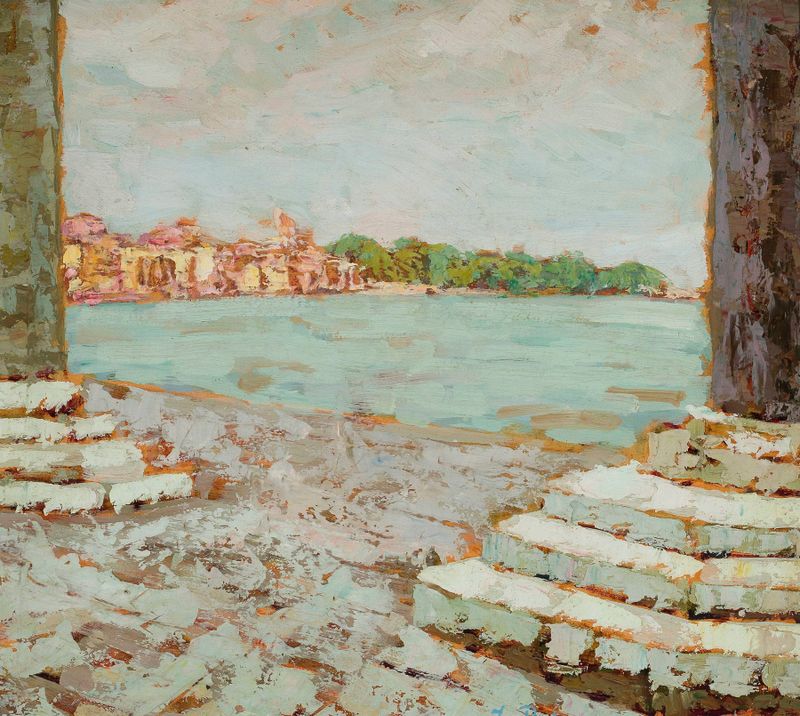
View from Piazzetta in Venice
Jan Bohuszewicz

Polish cottages
Jan Bohuszewicz
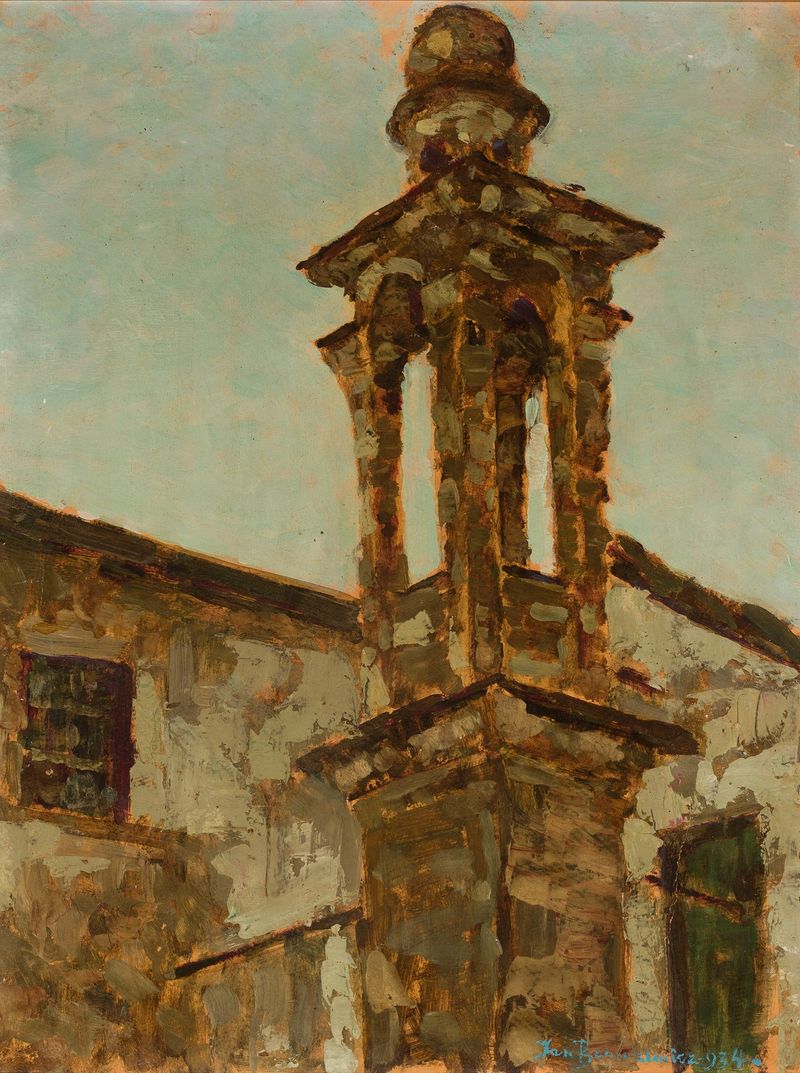
Old bell-tower
Jan Bohuszewicz
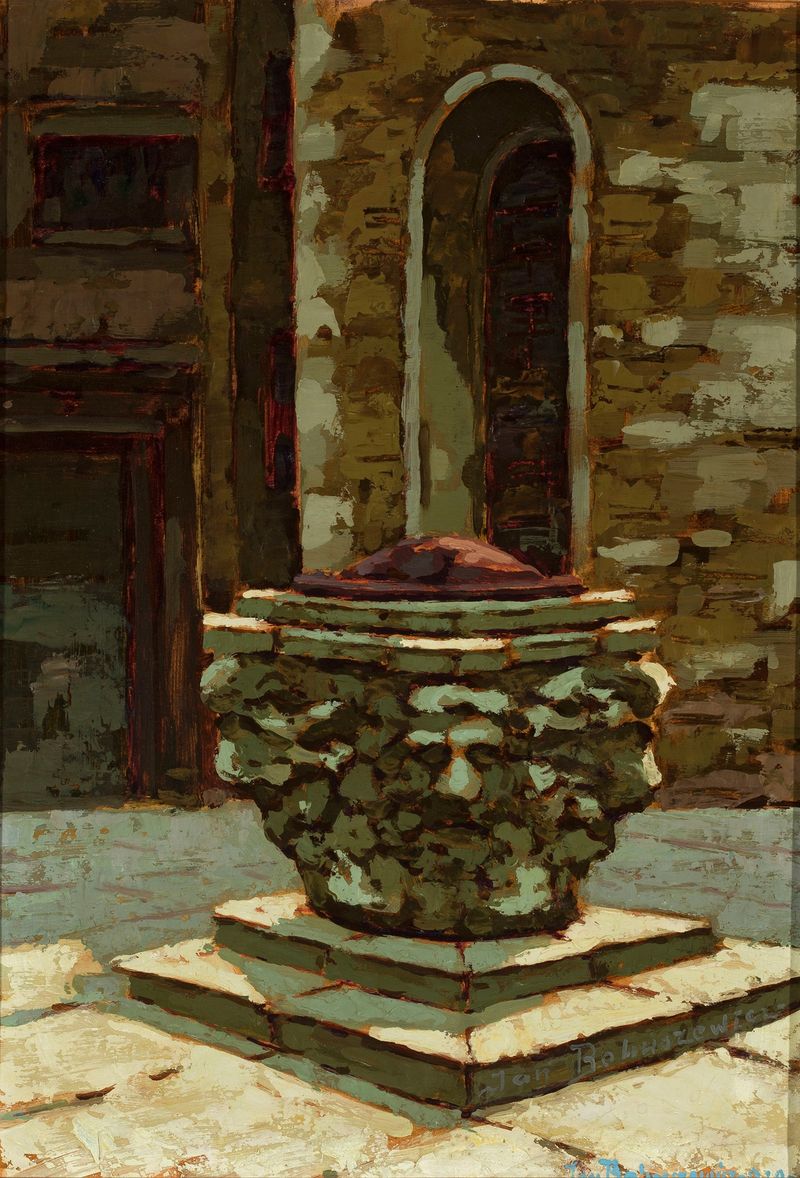
Small well in Venice in the sunshine
Jan Bohuszewicz
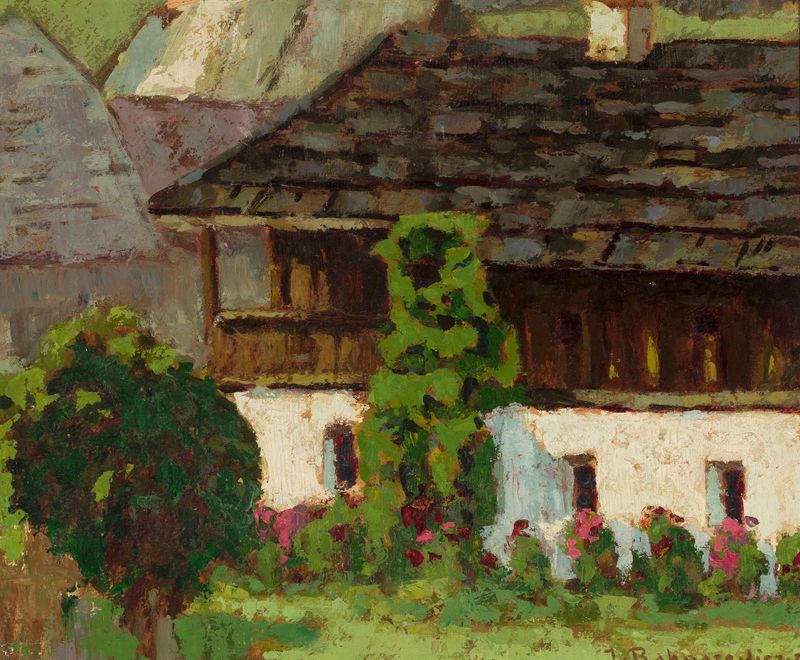
Old house with a porch
Jan Bohuszewicz

Shells
Jan Bohuszewicz
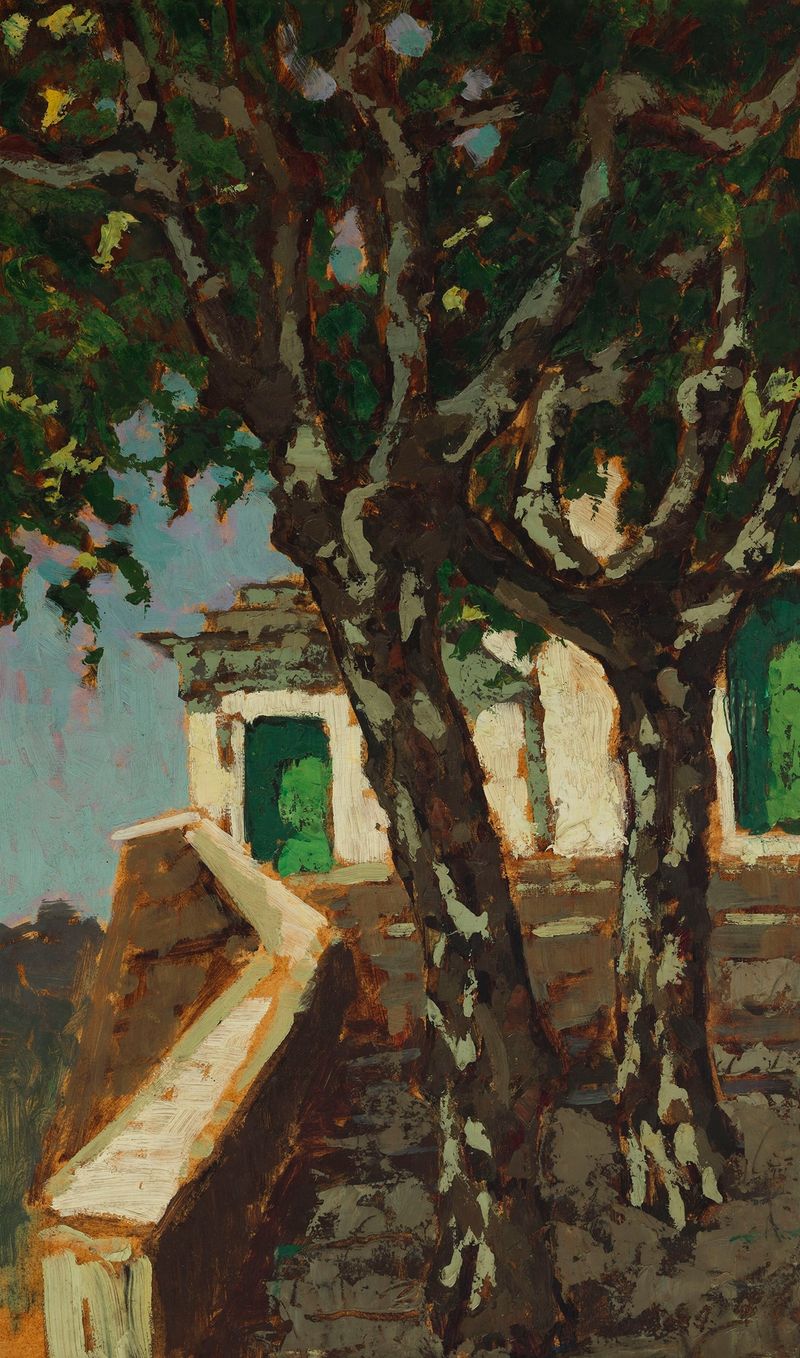
Platanus Trees at a Monastery Gate
Jan Bohuszewicz





